

Introduction

In the world of metalworking, a reliable metal dust collector system is not just an accessory; it's a necessity. The process of cutting, grinding, and machining metals generates significant amounts of dust that can compromise air quality and safety in your shop. Understanding how these systems work is crucial for maintaining a clean and efficient workspace.
Understanding Metal Dust Collector Systems
Metal dust collector systems are engineered to capture and filter harmful particles generated during various machining processes. These systems utilize advanced dust filtration technology to ensure that fine metal particles are effectively removed from the air before they can settle on surfaces or be inhaled by workers. A well-designed shop dust collection system can significantly improve air quality, leading to a healthier work environment.
Importance of Effective Dust Collection
Effective dust collection is vital for several reasons: it enhances workplace safety, improves equipment lifespan, and boosts overall productivity. Inadequate dust management can lead to respiratory issues among workers and increased fire hazards due to combustible metal dust accumulation. Investing in the best dust collection system not only protects your workforce but also ensures compliance with safety regulations.
Key Components of a Dust Filtration System
A comprehensive dust filtration system comprises several key components: collectors, ducts, filters, and fans that work together seamlessly. The collector collects the airborne particles while the ducts transport them to the filtration unit where they are cleaned from the air stream. Understanding these components helps you make informed decisions when selecting or designing your own effective metal dust collector system.
Assessing Your Shop Environment

When it comes to setting up an effective metal dust collector system, the first step is to assess your shop environment thoroughly. This process involves identifying potential sources of dust production, understanding the space you have available, and ensuring compliance with safety regulations. A well-planned approach will not only enhance your dust collection system’s efficiency but also contribute to a safer workspace.
Evaluating Dust Production Sources
Understanding where dust originates is crucial for optimizing your dust filtration efforts. Common sources in a metalworking shop include machining operations, grinding, sanding, and welding activities that produce fine particles and debris. By pinpointing these areas, you can tailor your collector dust strategy to target specific machines or processes that generate the most waste.
In addition to identifying equipment that creates dust, consider the materials you work with—different metals can produce varying amounts of debris when processed. For instance, aluminum may create lighter particles compared to steel or iron shavings. By evaluating these sources accurately, you’ll be better equipped to select the best dust collector for your needs.
Determining Space and Airflow Needs
Next on the agenda is determining how much space you have for your shop dust collection system and evaluating airflow requirements. The layout of your workshop can significantly impact how effectively a collector operates; cramped spaces may hinder airflow and reduce overall efficiency. Ideally, aim for an open design that allows unobstructed paths for air circulation while accommodating the necessary ductwork.
Airflow needs also depend on factors such as machine types and production volume; high-output setups will require more robust systems capable of handling increased demands without compromising performance. It’s essential to calculate cubic feet per minute (CFM) needed based on equipment specifications and distances between machines and collectors—this ensures optimal operation of your chosen system.
Complying with Safety Regulations
Lastly, compliance with safety regulations cannot be overlooked when setting up a metal dust collector system in your workshop environment. Various standards exist at local, state, and federal levels governing air quality and workplace safety; adherence not only protects employees but also helps avoid costly fines or shutdowns due to non-compliance issues.
Familiarize yourself with guidelines from organizations like OSHA (Occupational Safety and Health Administration) regarding permissible exposure limits for airborne particulates in metalworking environments. Additionally, ensure that any installed systems meet industry standards for efficiency and effectiveness in capturing harmful particles—this is paramount when selecting components for your shop's best dust collection system.
By taking these steps into consideration while assessing your shop environment, you'll set a solid foundation for implementing an effective dust collection solution tailored specifically to your needs.
Choosing the Right Metal Dust Collector

Selecting the right metal dust collector system can feel like finding a needle in a haystack, especially with so many options on the market. However, making an informed choice is crucial for maintaining a clean and safe shop environment. The right dust collection system not only improves air quality but also enhances productivity by minimizing downtime due to excessive dust buildup.
Factors to Consider in Selection
When choosing a dust collector, several factors come into play that can significantly affect its performance and suitability for your shop. First, consider the type of materials you will be collecting; different metal dust collectors are designed for various applications, from fine aluminum particles to heavy steel shavings. Next, think about the airflow requirements: an efficient collector should match or exceed your shop's airflow needs while ensuring optimal suction at each workstation.
Another key factor is filtration efficiency; look for systems that offer high-quality filters capable of capturing even the smallest particles. The size and layout of your workspace will also dictate which model is best suited for your needs—compact designs may work well in smaller shops while larger operations might benefit from more extensive systems. Lastly, don't forget about noise levels; some collectors operate quietly while others can be quite loud, impacting overall workplace comfort.
NAROO: Exploring Advanced Solutions
NAROO has emerged as a frontrunner in providing advanced solutions for metal dust collection systems that cater to modern manufacturing needs. Their innovative designs focus on maximizing filtration efficiency and minimizing space usage without compromising performance—ideal for busy workshops where every square foot counts. With features like smart sensors and automated cleaning cycles, NAROO's products stand out as some of the best dust collectors available today.
Moreover, NAROO emphasizes user-friendly interfaces that allow operators to monitor system performance effortlessly. This level of sophistication means less time worrying about maintenance and more time focusing on production—a win-win situation! By exploring what NAROO offers, you might just discover the perfect addition to your shop dust collection system that elevates both safety and efficiency.
Comparing the Best Dust Collectors in the Market
With an array of options available today, comparing different models can help you identify which is truly the best dust collection system for your specific needs. Look at brands known for their reliability and customer support; user reviews can provide valuable insights into real-world performance issues or advantages that specs alone may not reveal. Additionally, consider factors such as warranty periods and availability of replacement parts when evaluating different collector dust systems.
Some leading contenders include those with robust build quality designed specifically for metalworking environments—these often feature powerful motors capable of handling heavy loads while maintaining consistent suction power throughout their operational lifespan. Furthermore, take note of any additional features such as HEPA filtration or integrated sound dampening technology that could enhance user experience within your workspace context.
Ultimately, investing time into researching and comparing various models will pay off by ensuring you select a metal dust collector system tailored perfectly to meet both your operational demands and budgetary constraints.
Designing an Efficient Dust Collection System

Designing an efficient dust collection system is crucial for maintaining a clean and safe shop environment. A well-planned setup not only enhances the effectiveness of the metal dust collector system but also improves overall productivity by minimizing downtime caused by dust accumulation. In this section, we will explore key aspects such as layout considerations, ductwork customization, and integration of collection units to ensure optimal performance.
Layout Considerations for Optimal Flow
When designing your shop dust collection system, layout considerations are paramount to achieving optimal airflow and efficiency. Start by mapping out the locations of your machinery and identifying potential dust production sources; this will help you determine the most effective placement for your collector dust units. An ideal layout minimizes bends in ductwork and maintains straight runs to reduce resistance, ensuring that the best dust collector operates at peak performance.
Moreover, consider the height and positioning of your metal dust collector system to facilitate easy access for maintenance while maximizing suction power at each workstation. Keep in mind that proper spacing between machines can also enhance airflow, allowing for a more streamlined process throughout your shop. Ultimately, a well-thought-out layout not only boosts efficiency but also contributes to a safer working environment.
Customizing Ductwork for Your Shop
Customizing ductwork is essential in creating a tailored shop dust collection system that meets specific needs while optimizing performance. Standard duct sizes may not be suitable for every application; hence, it's vital to assess air volume requirements based on machinery types and their respective output levels of fine particles. By selecting appropriate diameters and materials—such as smooth metal ducts—you can significantly improve airflow while reducing friction losses.
Additionally, consider incorporating flexible ducting where necessary to accommodate changes in equipment or workspace configurations without sacrificing efficiency. Take advantage of blast gates or dampers that allow you to control airflow dynamically based on active machines, ensuring that each tool receives adequate suction when needed most. This level of customization will enhance your overall dust filtration capabilities while prolonging the lifespan of your metal dust collector system.
Integrating Collection Units for Performance
Integrating multiple collection units into your shop's dust collection system can vastly improve its overall performance and efficiency. By strategically placing additional collector dust systems throughout your workspace, you can effectively capture airborne particles from various sources before they have a chance to settle or disperse into the air you breathe. This approach ensures that every corner of your shop benefits from enhanced filtration capabilities.
Moreover, utilizing advanced technologies such as centralized systems or automated controls allows seamless operation across multiple units with minimal manual intervention required—making it easier than ever to maintain a clean work environment without constant oversight. When selecting components for integration, prioritize compatibility with existing equipment while considering future expansions or upgrades as part of your long-term strategy for effective dust management.
In conclusion, designing an efficient metal dust collector system involves thoughtful consideration of layout design, customized ductwork solutions tailored specifically to your shop's needs, and strategic integration of multiple collection units aimed at maximizing performance across all operations.
Installation Best Practices

When it comes to setting up your metal dust collector system, following installation best practices can make a world of difference. A well-installed dust collection system not only maximizes efficiency but also ensures safety in your shop environment. Let’s dive into the nitty-gritty of installation, covering step-by-step guides, common pitfalls to avoid, and why you might want to leave it to the pros.
Step-by-Step Installation Guide
Installing a dust collector dust collector can seem daunting, but breaking it down into manageable steps can simplify the process. Start by selecting an appropriate location for your unit; this should be close to the main sources of dust production while allowing for adequate airflow and space for maintenance access. Next, assemble your ductwork according to the layout plan you developed earlier—be sure to use fittings that minimize air resistance for optimal performance in your shop dust collection system.
Once the ductwork is in place, connect it securely to the collector dust unit and ensure all joints are airtight; leaks can significantly reduce efficiency and increase your workload. After securing everything, it's time to power up your metal dust collector system and conduct a thorough test run—check for any unusual noises or vibrations that could indicate improper installation. Finally, don’t forget about labeling switches and controls clearly so that everyone who operates the system knows how to do so safely.
Common Mistakes to Avoid
Even seasoned professionals can make mistakes during installation that might compromise their dust filtration effectiveness or even safety. One common error is underestimating airflow requirements; ensure that you have calculated CFM (cubic feet per minute) accurately based on your equipment’s needs—this is crucial when selecting the best dust collection system for your shop environment. Additionally, failing to account for bends in ductwork can lead to increased resistance and reduced suction power; aim for smooth transitions wherever possible.
Another pitfall is neglecting proper grounding of electrical components; static electricity buildup could pose fire hazards in environments with metal shavings or fine particles present. Lastly, many people overlook regular maintenance access points—ensure filters are easily reachable so they can be cleaned or replaced without hassle over time. Avoiding these common mistakes will help you achieve a more efficient and safer setup with less frustration down the line.
Importance of Professional Installation
While some DIY enthusiasts may feel confident tackling their own installations, enlisting professional help often proves beneficial when setting up a metal dust collector system. Experienced technicians understand local codes and regulations regarding safety standards which ensures compliance from day one—a crucial factor when considering long-term operation costs associated with fines or penalties due to non-compliance issues related specifically towards industrial settings like yours!
Moreover, professionals bring invaluable expertise regarding optimal placement strategies tailored specifically toward maximizing airflow efficiency within various shop layouts—a factor that inexperienced installers may overlook entirely! With their knowledge on hand about advanced features available within today’s best dust collectors too (like variable speed motors), hiring experts becomes an investment worth making rather than just another expense incurred during startup operations.
In conclusion: whether you're going solo or seeking assistance from specialists—remember these tips as you embark on creating an effective shop dust collection system tailored just right for all those metalworking projects ahead!
Maintaining Your Dust Collector System

Maintaining your metal dust collector system is crucial for ensuring optimal performance and longevity. Regular upkeep not only keeps the air in your shop clean but also prevents costly breakdowns that could halt your operations. A well-maintained dust collection system enhances safety, efficiency, and productivity in any workspace.
Regular Maintenance Routines
Establishing a regular maintenance routine is key to keeping your dust collector dust collector running smoothly. Start by checking filters, as clogged or dirty filters can severely reduce the efficiency of your dust filtration system. Additionally, inspect ductwork for leaks or blockages that could impede airflow, ensuring that your shop dust collection system operates at peak performance.
Don’t forget to empty the collector dust bin regularly; a full bin can lead to back pressure and reduced suction power. Schedule periodic inspections of motor components and electrical connections to catch potential issues before they escalate into major problems. By adhering to these maintenance routines, you'll ensure that you have one of the best dust collectors in the market.
Troubleshooting Common Issues
Even with diligent maintenance, issues may arise with your metal dust collector system from time to time. If you notice a drop in suction power, start by checking for obstructions in the ducting or an overfilled collection bag; both can significantly impact performance. Additionally, listen for unusual noises from the motor or fan—these could indicate mechanical problems that require immediate attention.
Another common issue is excessive vibration during operation, which might suggest misalignment or imbalance within the system components. If you encounter persistent problems after troubleshooting basic issues, consulting a professional can save you time and money in repairs while ensuring your shop's air quality remains uncompromised. Remember, addressing these common concerns will help maintain an efficient dust collection system over time.
Upgrading Components for Better Performance
As technology advances and needs evolve within your workshop, consider upgrading components of your metal dust collector system for enhanced performance. High-efficiency filters can significantly improve air quality by capturing finer particles that standard filters may miss—this is especially important if you're working with metals known for producing hazardous fine particulates during machining processes.
Another area worth exploring is adding variable speed controls to optimize airflow based on real-time demands; this not only saves energy but also prolongs equipment life by reducing unnecessary wear on motors and fans. Investing in newer models of collectors or additional units can also provide redundancy during peak production times when one unit might struggle to keep up with demand.
By keeping these upgrades in mind and implementing them as necessary, you'll ensure you're using one of the best dust collection systems available on the market today while maintaining a safer work environment.
Conclusion
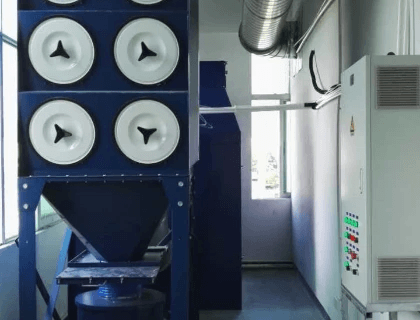
In wrapping up our exploration of metal dust collector systems, it’s clear that maximizing efficiency in dust filtration is vital for any workshop. A well-designed dust collection system not only enhances air quality but also boosts productivity by ensuring a clean and safe working environment. By understanding the intricacies of collector dust and implementing effective strategies, shops can significantly reduce health risks associated with airborne particles.
Maximizing Efficiency in Dust Filtration
To truly maximize efficiency in your shop dust collection system, you must focus on the integration of advanced technologies and best practices. Selecting the best dust collector tailored to your specific needs will ensure that every corner of your workspace is adequately serviced, capturing even the finest particles. Regular maintenance routines are essential; they help maintain optimal performance and prolong the lifespan of your metal dust collector system.
Investing in Quality Dust Collection Systems
Investing in quality dust collection systems pays off in both safety and productivity. While it may be tempting to opt for cheaper alternatives, a high-quality collector dust unit can save you from costly repairs and health hazards down the line. The best dust collection system will not only meet regulatory requirements but also enhance overall operational efficiency by minimizing downtime caused by equipment failure.
The Future of Metal Dust Collection Solutions
Looking ahead, the future of metal dust collection solutions promises exciting advancements driven by technology and innovation. As manufacturers continue to develop smarter, more efficient systems, we can expect enhanced features such as real-time monitoring and automated cleaning processes that further improve filtration effectiveness. With these advancements, businesses can look forward to a cleaner environment while maintaining compliance with increasingly stringent safety regulations.