

Introduction

In the world of woodworking, managing sawdust is not just about keeping your workspace tidy; it’s essential for safety and efficiency. Enter the cyclone sawdust collector, a powerful tool designed to keep your environment clean while maximizing your productivity. With the right setup, including a quality cyclone dust collector bucket and a 4'' Cyclone Dust Separator, you can create an effective dust collection system that meets all your woodworking needs.
Understanding Cyclone Sawdust Collectors
Cyclone sawdust collectors operate on a simple yet effective principle: they use centrifugal force to separate dust and debris from the air. Unlike traditional dust collectors that may struggle with larger particles, industrial cyclone dust collectors excel at capturing everything from fine sawdust to larger wood chips. By understanding how these systems work, you can better appreciate their advantages and how they can transform your workshop into a cleaner, safer space.
Importance of Dust Collection in Woodworking
Dust collection is crucial in woodworking for several reasons; it enhances air quality, reduces fire hazards, and improves visibility in your workspace. Without an efficient system like a cyclone sawdust collector in place, you might find yourself battling clouds of fine particles that can cause respiratory issues or ignite unexpectedly. Investing in the best cyclone sawdust collector not only protects your health but also prolongs the life of your tools by preventing dust buildup.
Overview of Building Your Own Collector
Building your own cyclone dust collection system allows you to customize it according to your specific needs and space constraints while saving money compared to commercial options. With some basic tools and materials, along with careful planning—including selecting the right cyclone dust collector bucket—you can create an efficient setup tailored just for you. In this guide, we’ll walk through each step required to assemble a top-notch 4'' Cyclone Dust Separator that fits perfectly into any workshop environment.
What is a Cyclone Sawdust Collector?
A cyclone sawdust collector is a powerful tool designed to efficiently capture and separate wood dust and debris generated during woodworking processes. Unlike traditional dust collectors, which rely on filters to trap particles, cyclone dust collectors use centrifugal force to spin the dust out of the air and into a collection bucket. This functionality not only improves air quality but also enhances the efficiency of your workspace by keeping it cleaner and safer.
Functionality of Cyclone Dust Collectors
Cyclone dust collectors operate on a simple yet effective principle: they create a vortex that separates larger particles from the airflow before they reach the filter or exhaust system. As wood shavings and dust enter the cyclone, they are forced outward by centrifugal force, falling into a designated cyclone dust collector bucket at the bottom. This design minimizes clogging and maximizes airflow, ensuring that your shop remains free from harmful airborne particulates while you work.
Key Components and Design Elements
The heart of any effective cyclone sawdust collector lies in its key components: the cyclone body, inlet ports, outlet ports, and collection bucket. The cyclone body is typically conical in shape, allowing for efficient airflow dynamics; meanwhile, inlet ports guide debris into the cyclone while outlet ports expel clean air. A well-designed 4'' Cyclone Dust Separator can significantly enhance performance by providing optimal sizing for both airflow and particle separation.
Advantages Over Traditional Dust Collectors
One of the standout advantages of using an industrial cyclone dust collector over traditional systems is its superior efficiency in separating fine particles from larger debris without relying heavily on filters that require frequent replacement. This means less downtime for maintenance and more time spent crafting beautiful projects! Additionally, many users find that investing in the best cyclone sawdust collector leads to better overall performance—resulting in cleaner air and reduced health risks associated with inhaling wood dust.
Selecting the Right Cyclone Dust Collector Bucket

The bucket serves as the primary receptacle for the sawdust and debris generated during woodworking tasks, directly impacting efficiency and performance. A well-chosen bucket can enhance your overall dust collection system, making it essential to understand your options.
Choosing the Best Cyclone Sawdust Collector Size
Size matters when it comes to cyclone sawdust collectors; choosing the right size ensures optimal performance and minimal maintenance. A larger bucket can handle more debris, reducing the frequency of emptying but may require more space in your workshop. Conversely, a smaller bucket may be easier to manage but could lead to clogs if not monitored closely—finding that sweet spot is key!
To determine the best cyclone sawdust collector size for your needs, consider both your workspace and typical dust generation from your tools. If you frequently use large equipment like table saws or planers, a larger capacity will serve you better. For hobbyists with smaller setups, a compact solution might just do the trick without overwhelming your shop.
Features to Look for in a Collector Bucket
Not all cyclone dust collector buckets are created equal; certain features can significantly enhance their functionality and durability. First off, look for buckets made from sturdy materials such as high-density polyethylene (HDPE) or metal—these will withstand wear and tear over time without cracking under pressure from heavy loads.
Another important feature is a secure lid that creates an airtight seal with minimal leakage; this helps maintain suction efficiency while preventing fine particles from escaping into your shop air. Additionally, consider buckets with built-in handles or wheels for easier mobility—after all, you don’t want to strain yourself hauling around a heavy container filled with sawdust!
Recommendations for Quality Cyclone Dust Collector Buckets
When selecting the best cyclone sawdust collector buckets on the market today, there are several standout options worth considering. One popular choice is the Dust Deputy Deluxe Kit by Oneida Air Systems—this offers excellent filtration and comes with everything you need to get started on building a 4'' cyclone dust separator system.
Another great option is the Shop Fox D4068 5-Gallon Bucket which combines affordability with solid performance; its durable construction ensures longevity while fitting perfectly into most DIY setups without breaking the bank! Lastly, if you're seeking an industrial-grade solution, check out Grizzly's G0514X2—a robust choice that caters specifically to serious woodworkers looking for high-capacity options.
Setting Up the 4'' Cyclone Dust Separator

Setting up your 4'' Cyclone Dust Separator is a crucial step in creating an efficient dust collection system for your woodworking shop. Proper configuration not only enhances performance but also ensures that your space remains clean and safe from hazardous dust particles. By carefully planning your layout, connecting ductwork, and positioning the dust separator, you can maximize the effectiveness of your cyclone sawdust collector.
Planning Your Layout for Efficiency
When planning your layout for a cyclone sawdust collector, consider the workflow of your woodworking projects. Ideally, you want to position the 4'' Cyclone Dust Separator near major tools like table saws or planers to minimize duct length and maximize suction efficiency. Think about how each tool will connect to the cyclone dust collector bucket; this will help streamline operations and reduce clutter in your workspace.
In addition to tool placement, think about accessibility for maintenance purposes. You’ll want easy access to both the cyclone dust collector bucket and any filters you might be using. A well-planned layout not only improves efficiency but also makes it easier to keep everything in top condition.
Connecting Ductwork and Hoses
Once you've mapped out an efficient layout, it's time to connect ductwork and hoses to your cyclone sawdust collector system. Start by measuring distances between tools and the 4'' Cyclone Dust Separator so that you can cut ducting accurately without wasting materials. Use smooth bends in your ductwork where possible; this reduces airflow resistance compared to sharp angles.
When selecting hoses, ensure they are compatible with both the diameter of your tools' ports and the size of your cyclone dust collector bucket's inlet. High-quality flexible hoses are ideal as they allow for easy repositioning while still maintaining strong suction power from an industrial cyclone dust collector setup. Don’t forget to secure connections with clamps or tape—leaks can significantly diminish performance!
Positioning Your Dust Separator
Place the 4'' Cyclone Dust Separator at a height that allows for easy access but does not obstruct movement around your workspace; many woodworkers find waist-height works best for them. Additionally, ensure there’s enough clearance above and around it so that air can flow freely without obstruction.
Consider noise levels as well; if possible, position it away from work areas where you'll be spending long hours operating machinery or hand tools. This way, you can enjoy quieter working conditions while still benefiting from effective dust collection provided by an industrial cyclone dust collector setup! Lastly, make sure that any electrical components are safely housed away from moisture-prone areas.
Essential Tools and Materials
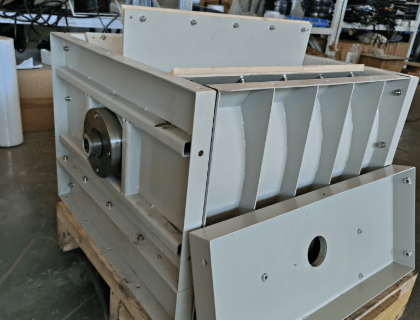
When it comes to building your own cyclone sawdust collector, having the right tools and materials is crucial for both efficiency and effectiveness. The goal is to create a system that not only collects dust but does so in a way that stands up to the rigors of woodworking. With the right setup, you can maximize the performance of your 4'' Cyclone Dust Separator and ensure a cleaner workspace.
Must-Have Tools for Building Your Collector
To start off on the right foot, you’ll need some essential tools for constructing your cyclone dust collector. A table saw will be indispensable for cutting wood or plywood to size, while a drill will help you secure components together with screws or bolts. Additionally, you'll want clamps to hold everything in place during assembly, along with measuring tape for precision—after all, nobody wants a wonky cyclone dust collector!
Don’t forget about safety gear like goggles and gloves; woodworking can get messy! If you're planning on adding ductwork to connect your cyclone dust collector bucket to various machines, a sheet metal brake might come in handy too. Lastly, having an air compressor can simplify tasks like cleaning out your system once it’s up and running.
Recommended Materials for Durability
When selecting materials for your cyclone sawdust collector project, durability should be at the forefront of your mind. Plywood is often recommended due to its strength and resistance against warping over time; however, if you're looking for something even sturdier, consider using MDF (Medium Density Fiberboard) as it offers excellent sound-dampening properties as well.
For the cyclone dust collector bucket itself, high-density polyethylene (HDPE) is ideal because it's lightweight yet strong enough to handle heavy loads of sawdust without cracking under pressure. You might also want metal fittings or PVC pipes when connecting various components—these materials are not only durable but also resistant to wear from fine wood particles.
Cost Considerations for Your Project
Budgeting is an essential part of any DIY project involving an industrial cyclone dust collector; knowing how much you're willing to spend will help guide your material choices. Expect costs to vary widely based on the size of your 4'' Cyclone Dust Separator and whether you opt for premium components or stick with more budget-friendly options.
A good rule of thumb is that investing in quality materials upfront will save you money in repairs or replacements down the line—nobody wants their best cyclone sawdust collector breaking down mid-project! On average, building a solid system can range from $200-$600 depending on how elaborate you choose to make it.
Safety Measures and Best Practices
Importance of Explosion-Proof Systems
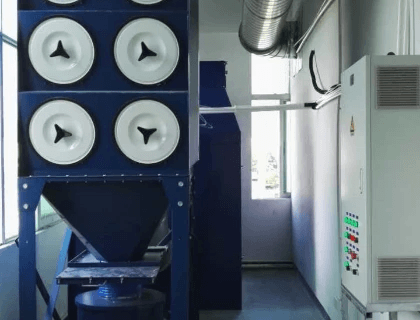
Wood dust is more than just a nuisance; it can become highly combustible under the right conditions. An industrial cyclone dust collector equipped with an explosion-proof system minimizes the risk of fire or explosion by controlling the accumulation of dust particles within your workspace. These systems often include features like pressure relief valves and spark detection technology, ensuring that your 4'' cyclone dust separator operates safely while effectively collecting debris.
NAROO Solutions for Enhanced Safety
To further enhance safety in your workshop, consider integrating NAROO solutions into your setup. These innovative products are designed specifically for use with cyclone sawdust collectors to manage airflow and reduce the chances of ignition from static electricity build-up. By utilizing these solutions alongside your best cyclone sawdust collector, you can create a safer environment that allows you to focus on what matters most—your craft.
Maintenance Tips for Longevity
Regular maintenance is key to ensuring that your cyclone sawdust collector remains effective and safe over time. Start by routinely checking filters and hoses for wear and tear; replacing them as needed will prevent clogs that could compromise performance or lead to hazardous situations. Additionally, cleaning out the cyclone dust collector bucket regularly will help maintain optimal airflow and prolong the life of your 4'' cyclone dust separator.
Conclusion

In wrapping up our exploration of the cyclone sawdust collector, it's clear that building your own system can be both rewarding and effective. By understanding the key components and processes involved, you can create a setup tailored to your woodworking needs. Whether you're a hobbyist or a professional, investing time in a DIY approach to dust collection will pay off in cleaner air and safer workspaces.
Steps to Build Your Cyclone Sawdust Collector
Building your cyclone sawdust collector starts with careful planning and selecting the right cyclone dust collector bucket that suits your workspace. Begin by gathering essential tools and materials, ensuring you have everything at hand for a smooth assembly process. Once you've mapped out your layout for efficiency, connect the 4'' Cyclone Dust Separator to ductwork and hoses, positioning it strategically for optimal performance.
The Benefits of DIY Dust Collection Systems
Creating a DIY dust collection system using a cyclone sawdust collector allows for customization according to your specific needs, making it one of the best options available. Not only do you save money compared to purchasing an industrial cyclone dust collector, but you also gain valuable skills in woodworking and system design. Plus, tackling this project yourself adds a sense of pride as you enjoy cleaner air while working on your craft.
Final Thoughts on Industrial Cyclone Dust Collectors
While industrial cyclone dust collectors are impressive pieces of machinery designed for high-volume operations, they may not always be necessary for smaller workshops or hobbyists. A well-constructed cyclone sawdust collector can rival these larger systems in efficiency when properly designed and maintained. Ultimately, whether you opt for an industrial model or decide on building your own setup with features like the 4'' Cyclone Dust Separator, prioritizing effective dust management is essential for any woodworking endeavor.