

Introduction

Dust collection is a crucial aspect of maintaining a clean and safe workspace, whether you're in a woodworking shop, an industrial facility, or even your garage. But how does a dust collector work? Understanding the fundamentals of dust collection systems not only helps you select the right equipment but also ensures that your environment remains free from harmful particulates.
Understanding Dust Collection Basics
At its core, a dust collector is designed to capture and filter airborne particles generated during various processes like cutting, grinding, or sanding. A well-functioning dust collection system can significantly reduce the amount of dust circulating in the air, which is essential for both health and productivity. The key components include filtration media, fans, and specialized hoses—each playing a vital role in ensuring efficient operation.
The Importance of Effective Dust Management
Effective dust management isn't just about cleanliness; it's about safety too. In many industries, excessive dust can lead to respiratory issues or even fire hazards if combustible materials are present. By utilizing systems like cyclone dust collectors or shop vac dust collection systems, you can mitigate these risks while improving air quality and creating a more pleasant work environment.
Overview of Dust Collection Systems
Dust collection systems come in various forms to suit different needs—from portable shop vacs to larger stationary setups tailored for industrial use. Each system operates on similar principles but varies in complexity and efficiency based on the application it serves. Whether you're considering integrating a dust collection system with shop vac capabilities or exploring advanced options like a dust cyclone setup, understanding how these systems function will empower you to make informed decisions for your workspace.
What Is a Dust Collector?
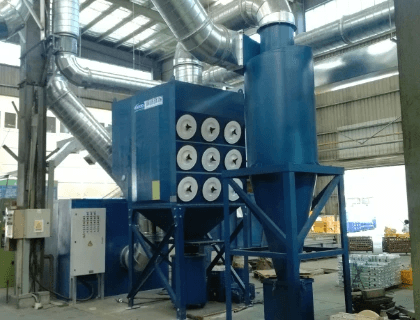
Dust collectors are essential tools in managing airborne particles and maintaining a clean work environment. They are designed to capture dust and debris generated during various processes, ensuring that the air remains safe to breathe. Understanding how a dust collector works is crucial for anyone looking to improve their workspace's air quality.
Defining the Dust Collector Concept
At its core, a dust collector is a mechanical device that removes particulate matter from the air, typically found in industrial settings or workshops. This system operates by drawing contaminated air through filters or other collection devices, effectively trapping dust and allowing clean air to be expelled back into the environment. The efficiency of a dust collection system can significantly impact both worker health and equipment longevity.
Dust collectors come in various forms, including cyclone dust collectors and shop vac dust collection systems, each tailored for specific applications. Cyclone models utilize centrifugal force to separate larger particles from the airflow, while shop vac systems are often portable solutions for smaller tasks. Both types serve the primary function of creating cleaner working conditions by controlling airborne contaminants.
Types of Dust Collectors Explained
When it comes to choosing a dust collector, understanding the different types available can help you make an informed decision. Cyclone dust collectors are popular due to their ability to handle large volumes of material with minimal maintenance needs; they excel in woodworking shops where sawdust is prevalent. On the other hand, shop vac dust collection systems are more versatile and suitable for smaller jobs or home workshops.
Each type of dust collection system has its strengths and weaknesses depending on your specific needs. For example, if you're dealing with fine particulate matter like metal shavings or wood flour, you might prefer a dedicated filtration system over a simple shop vac solution. Additionally, integrating a robust dust collection hose can enhance your setup by extending reach and improving suction efficiency.
Choosing the Right Dust Collection System
Selecting the right dust collection system involves considering several factors such as workspace size, type of materials processed, and budget constraints. A well-matched system not only improves air quality but also boosts productivity by preventing equipment clogging caused by excessive debris accumulation. If you're leaning towards using a shop vac for your setup, ensure it’s compatible with appropriate attachments like specialized hoses designed for optimal airflow.
Moreover, it's essential to assess how much airflow (measured in cubic feet per minute) you'll need based on your operations' scale; this will help determine whether you require a more powerful cyclone model or if a simpler unit suffices. Investing time upfront into understanding your needs will pay off when you see improved performance from your chosen dust collector solution—be it cyclone-based or shop vac-based!
Key Components of a Dust Collector

When it comes to understanding how does a dust collector work, it’s crucial to delve into the key components that make up these essential systems. A dust collection system is not just a collection of parts; each component plays a vital role in ensuring efficient operation and effective dust management. From filtration media to fans and hoses, every element contributes to keeping your workspace clean and safe.
The Role of Filtration Media
Filtration media is the heart of any dust collector, acting as the barrier that separates harmful particles from clean air. In essence, this material traps dust and debris while allowing airflow to pass through, making it critical for any dust collection system. Different types of filtration media are available for various applications, including HEPA filters for fine particles or synthetic fibers for larger debris—each designed to optimize performance based on specific needs.
In the context of a cyclone dust collector, filtration media works in tandem with the cyclone mechanism to enhance efficiency by capturing heavier particles before they reach the filter. Understanding how does a dust collector work requires recognizing that without effective filtration media, even the best-designed systems would struggle against airborne pollutants. Thus, selecting appropriate filters based on your workspace's requirements can significantly impact overall air quality and operational effectiveness.
Fans and Blowers in Dust Collection
Fans and blowers are essential components in any dust collection system as they create airflow necessary for transporting dust-laden air through the system. These devices generate suction that pulls air through the filtration media, ensuring that contaminants are effectively captured before being released back into your workspace environment. The power and design of fans vary widely; some systems may benefit from high-velocity blowers while others require quieter options suitable for smaller shop vac dust collection systems.
In larger industrial settings where heavy-duty performance is needed, robust centrifugal fans often come into play with cyclone dust collectors due to their ability to handle significant volumes of air efficiently. Knowing how does a dust collector work means appreciating that without properly functioning fans or blowers, even high-quality filters will be rendered ineffective as airflow diminishes or becomes inconsistent. Regular maintenance checks on these components can prevent costly downtimes and ensure optimal operation over time.
Dust Collection Hoses and Their Importance
Dust collection hoses serve as conduits between tools or machines generating waste material and the central vacuum system itself—essentially acting as highways for debris transport! These hoses come in various sizes and materials tailored specifically for different applications within a shop vac dust collection system or more extensive setups like industrial installations using cyclone technology. It’s important to choose durable yet flexible options that prevent clogs while maintaining strong suction capabilities throughout their length.
The effectiveness of your entire dust collection system hinges on these hoses; if they're too narrow or blocked with debris, you’ll experience reduced airflow which ultimately impacts efficiency levels across your setup! Understanding how does a dust collector work involves recognizing that proper hose selection can significantly influence overall performance—after all, no one wants an underperforming shop vac when tackling those pesky wood shavings! Investing in high-quality hoses designed specifically for your needs will ensure smooth operation while maximizing productivity during every project.
How the Dust Collection Process Begins
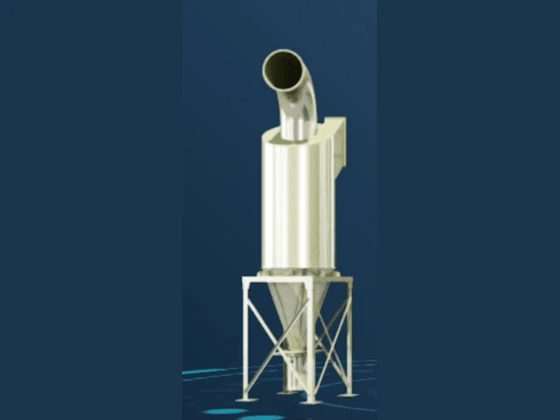
In the world of dust collection, understanding how airflow is created is crucial to grasping how a dust collector works. Airflow is generated by powerful fans or blowers that create a vacuum effect, pulling air—and with it, dust particles—into the system. This process not only helps maintain a clean workspace but also ensures that harmful particles are efficiently removed from the air.
Airflow Creation in a Dust Collector
The heart of any effective dust collection system lies in its ability to generate strong airflow. When you turn on your dust collector, whether it's a cyclone dust collector or a shop vac dust collection system, the fan starts spinning rapidly and creates negative pressure within the collection unit. This negative pressure draws in air through connected ductwork and into the filtration system, where it can be cleaned before being released back into your environment.
Maintaining proper airflow is essential for maximizing efficiency; if there are leaks in your dust collection hose or improper connections between components, performance can suffer dramatically. In addition to ensuring optimal suction power, regular checks on airflow can help identify potential issues before they become major headaches. So remember: without sufficient airflow creation, even the best-designed dust collection systems will struggle to keep your workspace free from airborne debris.
The Role of Cyclone Dust Collectors
Cyclone dust collectors play an integral role in many industrial settings due to their unique design and functionality. These systems utilize centrifugal force to separate larger particles from smaller ones before they reach the filtration media—essentially acting as a pre-filter for your main dust collector unit. By removing heavier debris first, cyclone collectors enhance overall efficiency and prolong the life of your primary filtration components.
When integrating a cyclone into your existing setup or choosing one for new installations, consider how it will work alongside other elements like shop vacs or dedicated ducting systems. A well-placed cyclone can significantly reduce wear on your filters while improving suction power across longer distances—perfect for extensive workshop layouts! With proper maintenance and thoughtful design choices, you’ll find that these units offer robust solutions for even the most challenging applications.
Understanding the Dust Cyclone Mechanism
To truly appreciate how does a dust collector work with cyclonic action requires an understanding of its mechanics at play inside these impressive machines. As air enters through an inlet at high speed, it spirals downwards within a conical chamber; this motion creates centrifugal forces that fling larger particles outward against the walls of the chamber where they settle into a collection bin below. The lighter particles remain suspended longer until they make their way towards secondary filtration systems designed specifically for finer debris capture.
This efficient separation process not only minimizes filter clogging but also enhances overall performance by allowing smaller particulates to be caught effectively later on in line with traditional filters used throughout other types of systems like those found in shop vac setups or dedicated industrial units alike! Understanding this mechanism empowers users to select appropriate configurations based on their needs while ensuring optimal operation across various environments—from small workshops all way up large factories looking for reliable solutions against airborne contaminants.
Dust Collection System Operation
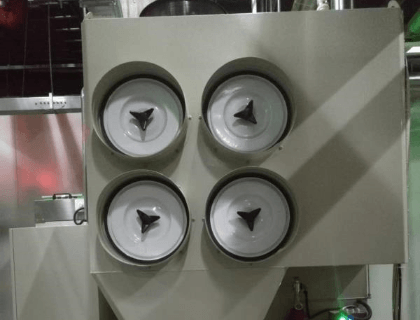
Understanding how a dust collection system operates is crucial for maximizing its efficiency and effectiveness in managing airborne particles. At the heart of this operation lies the dust collector, a device designed to capture and filter out dust, ensuring cleaner air in workspaces. By comprehending the steps involved in this process, users can better appreciate the importance of regular maintenance and optimal setup.
The Filtration Process Simplified
So, how does a dust collector work? It begins with airflow creation, which draws particles into the system through strategically placed dust collection hoses. Once inside, air passes through various filtration media that trap dust and debris while allowing clean air to escape back into the environment—a vital function for maintaining air quality.
The filtration process involves several stages depending on the type of dust collector used. For instance, cyclone dust collectors utilize centrifugal force to separate larger particles from finer ones before they reach the filter media. This not only enhances efficiency but also prolongs the lifespan of your filters by preventing them from becoming overloaded too quickly.
How Dust Is Captured and Stored
Capturing and storing dust effectively is essential for any successful dust collection system. When using a cyclone dust collector, heavy particles are flung outward by centrifugal force into a collection bin at the bottom of the unit. Meanwhile, lighter particles are filtered through additional stages before being collected or expelled—ensuring minimal contamination in your workspace.
In contrast, shop vac systems often rely on disposable bags or canisters for storage after capturing debris via their powerful suction capabilities. The choice between these methods largely depends on your workspace needs and preferences; however, both systems aim to reduce airborne particulates significantly. Understanding how each method works will help you select an appropriate solution tailored to your specific applications.
Shop Vac Dust Collection System Insights
The shop vac dust collection system is a popular choice among DIY enthusiasts and professionals alike due to its versatility and ease of use. These systems often come equipped with various attachments that allow for effective cleaning across different surfaces—making them ideal for woodworking shops or construction sites where fine sawdust tends to accumulate quickly.
When integrating a shop vac into your overall dust management strategy, consider pairing it with specialized accessories like high-quality dust collection hoses designed to maximize airflow while minimizing clogs—important factors in maintaining efficiency throughout operation! Additionally, understanding how does a dust collector work within these setups can help you troubleshoot common issues that may arise during use.
The Importance of Maintenance

Maintaining your dust collection system is not just a good idea; it’s essential for ensuring efficiency and longevity. A well-maintained dust collector can significantly improve air quality and reduce the risk of fire hazards in your workspace. Regular maintenance keeps the system running smoothly, preventing costly breakdowns and ensuring that you understand how does a dust collector work.
Keeping Your Dust Collection System Efficient
To keep your dust collection system efficient, regular inspections are crucial. Check the filtration media for clogs or damage, as this can impede airflow and reduce suction power. In systems like a cyclone dust collector, maintaining proper airflow is vital for optimal performance; otherwise, you might find yourself needing to invest in a new dust collector sooner than expected.
Another key aspect is monitoring your dust collection hoses for leaks or blockages. A compromised hose can lead to reduced efficiency and increased energy consumption as the system works harder to maintain suction. By ensuring all components are functioning well, you maximize the effectiveness of your shop vac dust collection system or any other type of setup.
Common Dust Collector Issues
Dust collectors can face several common issues that may hinder their performance. One prevalent problem is filter clogging; when filters become saturated with fine particles, they restrict airflow and reduce overall efficiency in capturing dust. This issue often goes unnoticed until significant drops in performance occur, which underscores the importance of routine checks on both cyclone dust collectors and traditional systems.
Another common issue involves motor malfunctions or fan failures, which can lead to inadequate suction power across your entire setup. If you're using a shop vac dust collection system, be sure to listen for unusual sounds that might indicate wear or impending failure—addressing these concerns early can save you from more extensive repairs later on! Additionally, improper installation or incorrect sizing of components may result in inefficiencies that affect how does a dust collector work.
Tips for Regular Maintenance
Regular maintenance doesn’t have to be daunting; following simple tips can keep your dust collection system running smoothly! Start by creating a maintenance schedule that includes checking filters monthly and replacing them as needed—this will help keep airflow consistent throughout your operation. Don't forget to inspect all connections within the dust collection hose as well; loose fittings can cause leaks that compromise suction power.
Cleaning out any accumulated debris from the cyclone mechanism should also be part of your routine maintenance plan—this ensures optimal separation of fine particles from larger debris during operation. Lastly, consider investing in quality replacement parts from reputable manufacturers when it’s time to replace worn-out components; doing so will enhance the reliability of your entire setup!
Integrating Dust Collectors in Workspaces

Integrating a dust collection system into your workspace is essential for maintaining a clean and safe environment. Whether you’re working in a small garage or a large industrial facility, understanding how to set up your dust collection system effectively can make all the difference. This section will guide you through setting up a shop vac dust collection system, highlight safety considerations, and discuss ways to maximize efficiency in industrial applications.
Setting Up a Dust Collection System with Shop Vac
Setting up a dust collection system with a shop vac is an excellent choice for both hobbyists and professionals. First, ensure that you have the right dust collector and accessories, including a quality dust collection hose that fits securely on your tools. Once everything is connected, it’s crucial to position the shop vac strategically to optimize airflow; after all, how does a dust collector work if it’s not placed correctly?
When connecting tools like saws or sanders to your shop vac dust collection system, make sure there are no leaks in the hoses as this can significantly reduce suction power. Using duct tape or clamps can help secure connections and prevent any unwanted debris from escaping into the air. Regularly check the filter in your vacuum; keeping it clean ensures that your cyclone dust collector operates at peak performance.
Lastly, consider adding additional filtration options if you're working with fine particles that could escape through standard filters. This step not only enhances air quality but also prolongs the life of your equipment by reducing wear and tear caused by excess particulate matter. A well-setup shop vac dust collection system will keep your workspace cleaner and safer.
Safety Considerations When Using Dust Collectors
Safety should always be top of mind when operating any type of machinery, especially when dealing with powerful tools and vacuum systems like cyclone dust collectors. First off, ensure that all electrical connections are safe from moisture and potential hazards; using GFCI outlets can provide an extra layer of protection against electric shock while operating your dust collection system.
Next, wearing appropriate personal protective equipment (PPE) such as masks or respirators is crucial for protecting yourself from airborne particles that may still escape during operation. Even with an efficient dust collector setup, some fine particles can linger in the air; thus investing in high-quality PPE is non-negotiable.
Additionally, regularly inspect hoses and filters for signs of wear or damage; this proactive approach prevents accidents caused by malfunctioning equipment while ensuring optimal performance of your shop vac dust collection system. By taking these precautions seriously, you’ll create not only an effective but also a safe workspace conducive to productivity.
Maximizing Efficiency in Industrial Applications
In industrial settings where large-scale operations take place, maximizing efficiency becomes paramount when integrating any type of dust collector into workflows—especially cyclone models known for their robust performance capabilities. Understanding how does a dust collector work will allow teams to identify bottlenecks within their existing systems so they can implement improvements effectively.
One way to enhance efficiency is by strategically placing multiple extraction points throughout the workspace connected via durable ductwork leading back to centralized units such as larger cyclone collectors designed for heavy-duty use cases—this minimizes airflow resistance compared to longer runs of hose typically found in smaller setups like those using shop vacs alone.
Moreover, implementing automated controls within these systems allows operators greater flexibility while ensuring consistent suction levels across various machines without needing constant manual adjustments—a game-changer when dealing with fluctuating workloads! Regular training sessions on best practices related specifically towards maintaining these integrated setups further empowers employees towards achieving optimal results consistently over time.
Choosing the Right Dust Removal Solution

Selecting the right dust removal solution is crucial for maintaining a clean and safe workspace. With various options available, including shop vac dust collection systems and cyclone dust collectors, it can be overwhelming to determine which system best meets your needs. Understanding how these systems work and the unique features they offer is essential in making an informed decision.
NAROO’s Innovative Dust Solutions
NAROO has established itself as a leader in innovative dust solutions that cater to diverse industrial needs. Their range of products includes advanced dust collection systems that efficiently capture airborne particles, ensuring cleaner air quality and safer work environments. By incorporating cutting-edge technology into their designs, NAROO's systems optimize airflow and improve filtration processes, making them an excellent choice for any workspace.
One standout feature of NAROO's offerings is their cyclone dust collector design, which effectively separates larger debris from fine dust particles before they reach the filtration media. This not only enhances the longevity of the filters but also boosts overall system efficiency. If you're considering a dust collection system with shop vac capabilities, NAROO provides versatile options that integrate seamlessly with existing setups while maximizing performance.
Factors to Consider When Selecting a System
When selecting a dust collection system, several factors come into play that can significantly impact its effectiveness and suitability for your specific application. First and foremost, consider the type of materials you'll be working with; different materials may require specialized filtration media or specific types of cyclonic action to ensure optimal performance. Additionally, evaluate your workspace layout—are you looking for a compact shop vac dust collection system or something larger like a full-scale industrial setup?
Another critical factor is airflow requirements; understanding how does a dust collector work involves knowing how much air volume needs to be moved through the system to capture all airborne particles effectively. The size of your hoses also matters; investing in high-quality dust collection hoses can enhance airflow while minimizing clogs or restrictions during operation. Lastly, don't overlook maintenance considerations—systems that are easier to clean will save you time and effort in the long run.
Why NAROO is Trusted by Industry Leaders
NAROO has earned its reputation among industry leaders due to its commitment to quality and innovation in dust management solutions. Their products consistently deliver exceptional performance while adhering to strict safety standards—qualities that businesses value highly when choosing their equipment suppliers. Furthermore, NAROO’s customer support team is always ready to assist clients with any inquiries about installation or optimization of their chosen systems.
The trust placed in NAROO by professionals stems from their ability to adapt solutions based on real-world feedback from users across various sectors—from woodworking shops utilizing shop vac dust collection systems to heavy manufacturing facilities relying on robust cyclone models for efficient debris management. This responsiveness ensures that every new product iteration incorporates user insights aimed at improving functionality and ease of use.
In conclusion, selecting the right dust removal solution requires careful consideration of multiple factors including material compatibility, airflow requirements, and maintenance ease—all areas where NAROO shines brightly among competitors in this space.
Conclusion

In wrapping up our exploration of dust collection systems, it's essential to revisit how does a dust collector work. At its core, a dust collector operates by capturing airborne particles through a combination of filtration and airflow dynamics. From cyclone dust collectors to shop vac dust collection systems, each design serves the primary purpose of maintaining cleaner air in various environments.
Recap of Dust Collector Functionality
A dust collector is designed to remove particulate matter from the air, ensuring a safer and healthier workspace. The process begins with creating airflow that draws in dust through specialized hoses, where it is then filtered out before clean air is released back into the environment. Understanding the function of components like the dust cyclone and filtration media helps users appreciate how effective these systems can be.
The Benefits of Investing in Dust Collection
Investing in a high-quality dust collection system brings numerous benefits that extend beyond mere cleanliness. First and foremost, it enhances workplace safety by reducing respiratory hazards associated with airborne particles. Moreover, efficient systems like the shop vac dust collection system not only improve air quality but also boost productivity by minimizing downtime caused by cleaning efforts.
Final Thoughts on Effective Dust Management
Effective dust management is not just about having equipment; it's about integrating solutions that fit your specific needs. Whether you opt for a compact shop vac dust collection system or a robust cyclone dust collector, understanding your requirements will lead to better choices. Ultimately, prioritizing proper maintenance and selecting the right components—like durable dust collection hoses—ensures longevity and efficacy in your efforts against unwanted debris.