

Introduction
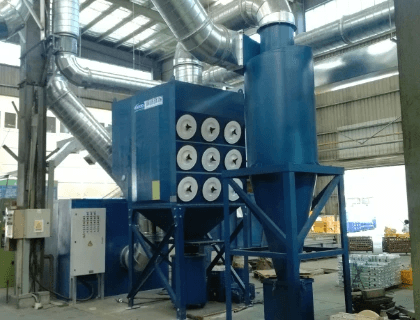
In today's industrial landscape, effective dust control is not just a luxury—it's a necessity. Dust collectors and air filters play crucial roles in maintaining a clean and safe work environment, ensuring that harmful particles are effectively managed. Understanding the differences between these systems can help you choose the right solution for your specific needs, whether you're dealing with metal dust or other particulate matter.
Understanding Dust Collectors and Air Filters
Dust collectors are specialized machines designed to capture and filter out harmful particles from the air, making them essential for any workplace where dust generation is inevitable. On the other hand, air filters serve to purify indoor air by trapping pollutants and allergens, contributing to overall air quality improvement. Both systems are vital in industrial settings; however, knowing when to deploy a dust collector machine versus an air filter can significantly impact your operational efficiency.
Importance of Dust Control in Workplaces
Effective dust control not only enhances workplace safety but also boosts productivity by reducing downtime caused by respiratory issues or machinery malfunction due to accumulated dust. Industries such as manufacturing and construction generate significant amounts of dust, necessitating robust solutions like an industrial dust collection system to mitigate risks associated with poor air quality. Failing to implement proper dust filtration measures can lead to health hazards for employees and costly regulatory fines.
Choosing the Right System for Your Needs
When selecting between a collector dust system or an array of dust filters, it's essential to assess your unique operational requirements carefully. Factors such as the type of materials being processed, volume of generated dust, and space constraints will influence your decision on which system offers optimal performance. Expert recommendations often point towards tailored solutions that combine both technologies for comprehensive coverage in diverse work environments.
What is a Dust Collector?

Dust collectors are essential machines designed to improve air quality by removing particulate matter from the air in industrial settings. These systems work by capturing and filtering out dust, debris, and other airborne contaminants that can pose health risks to workers and damage equipment. With a variety of designs available, understanding how a dust collector machine operates is crucial for effective dust control in any workplace.
Overview of Dust Collector Machines
A dust collector machine typically consists of several key components: a fan, filter bags or cartridges, and a collection bin or hopper. The fan creates suction that pulls contaminated air into the system, where it passes through filters designed to trap particles of various sizes. Depending on the specific needs of an operation—such as those involving metal dust collection systems—different types of filters can be utilized to achieve optimal dust filtration efficiency.
In addition to traditional baghouse collectors, there are also cyclonic separators and cartridge collectors available on the market. Each type has its unique advantages and application scenarios; for instance, cyclonic separators are great for larger particles while cartridge collectors excel at fine dust filtration. Selecting the right type of collector dust system can significantly enhance your workplace’s safety and operational efficiency.
Benefits of Dust Collectors for Industrial Use
Implementing an industrial dust collection system brings numerous benefits that extend beyond mere compliance with health regulations. First and foremost, these systems help maintain a clean work environment by effectively capturing airborne pollutants before they settle on surfaces or enter workers' lungs. This not only fosters better employee health but also reduces maintenance costs associated with cleaning equipment regularly exposed to excessive dirt buildup.
Moreover, effective dust control can enhance productivity by minimizing downtime caused by machinery malfunctions due to clogged filters or excessive wear from abrasive particles like metal shavings. A well-maintained dust collector machine ultimately boosts operational efficiency while ensuring compliance with safety standards—a win-win situation for both management and employees alike!
Lastly, investing in high-quality dust filters leads to longer-lasting equipment performance since they prevent damage caused by accumulated debris within machinery components over time. This proactive approach saves money in repairs and replacements down the road.
Key Features of Effective Dust Collection Systems
When selecting a dust collection system for your workplace, it's important to consider several key features that contribute to its overall effectiveness in controlling harmful particulates. First off is filter efficiency; look for systems equipped with high-efficiency particulate air (HEPA) filters or similar technology capable of capturing 99% or more of airborne contaminants down to 0.3 microns in size—ideal for industries dealing with fine metal particles!
Another critical aspect is airflow capacity; an effective industrial dust collection system should provide sufficient suction power tailored specifically towards your workspace requirements without being overly noisy or energy-intensive during operation. Additionally, portability may be advantageous if you need flexibility across multiple workstations—mobile units allow you to adapt quickly as projects evolve!
Lastly, ease-of-maintenance features such as automatic filter cleaning mechanisms can save time while ensuring consistent performance over extended periods without significant intervention needed from operators—a perfect blend between convenience and reliability when managing your workplace's air quality!
Exploring Air Filters

These devices are designed to trap airborne particles, ensuring that the air you breathe is free from dust and contaminants. Understanding the various types of air filters available can help you make informed decisions for your workplace's dust control needs.
Types of Air Filters Available
Air filters come in various forms, each tailored to specific applications and environments. Common types include HEPA filters, which are renowned for their ability to capture up to 99.97% of particles as small as 0.3 microns, making them ideal for sensitive areas like laboratories or hospitals. Other options include electrostatic filters that use static electricity to attract dust particles, and activated carbon filters designed specifically for odors and chemical vapors—perfect companions in an industrial dust collection system.
Choosing the right type of filter depends on your specific requirements; whether you're looking for a robust solution for metal dust collection systems or something more lightweight for everyday office use, there's an air filter suited just for you. Additionally, some air filtration systems combine multiple technologies to optimize performance and efficiency while enhancing overall dust filtration capabilities.
Advantages of Utilizing Air Filters
Utilizing air filters offers numerous advantages beyond just keeping your workspace tidy; they significantly improve indoor air quality by reducing allergens and irritants present in the environment. This not only fosters a healthier atmosphere but also enhances employee productivity and morale—after all, nobody wants to work in a dusty space filled with contaminants! Moreover, many modern air filters are designed with energy efficiency in mind, helping reduce operational costs over time.
Another significant benefit is their ease of integration into existing setups; whether you're incorporating an industrial dust collection system or enhancing your current ventilation system with additional dust filters, these devices can often be installed without major disruptions.
How Air Filters Improve Air Quality
Air filters play a crucial role in improving indoor air quality by capturing particulate matter before it enters the breathing zone of employees. By effectively removing harmful pollutants such as dust mites, pollen, smoke particles, and even bacteria from the atmosphere, these devices contribute significantly toward creating a safer work environment free from respiratory issues associated with poor air quality.
Moreover, when paired with effective dust collector machines or systems designed specifically for heavy-duty applications like metal dust collection systems, they form an unbeatable duo against airborne contaminants. Together they ensure that both large debris and microscopic particles are efficiently managed—leading not only to cleaner workplaces but also compliance with health regulations regarding occupational safety standards.
Comparing Dust Collectors and Air Filters

Both systems play significant roles in dust control, but they serve different purposes and excel in various aspects of dust filtration. Let’s dive deep into the performance, cost analysis, and maintenance requirements of these essential systems.
Performance in Dust Filtration
Dust collectors are specifically designed to handle large volumes of airborne particles generated in industrial settings. These machines employ various technologies like cyclones or baghouses to capture even the finest metal dust, ensuring that the workplace remains free from harmful contaminants. In contrast, air filters typically focus on improving general air quality by trapping smaller particles but may not be as effective when it comes to heavy-duty applications like those found in an industrial dust collection system.
The efficiency of a dust collector for workplace environments often leads to better overall air quality than standard air filters can provide alone. While both systems utilize dust filters for their respective filtration processes, a collector dust system can tackle much larger quantities of debris without compromising performance. Consequently, for industries dealing with significant amounts of particulate matter—such as woodworking or metal fabrication—a robust dust collector machine is often the preferred choice.
Cost Analysis of Each System
When comparing costs between a dust collector and an air filter system, initial investment is just one factor to consider; operational expenses also play a vital role in long-term budgeting. Dust collectors generally require a higher upfront investment due to their complex design and capabilities tailored for heavy-duty use within an industrial setting. However, this cost can be offset by their effectiveness in minimizing downtime caused by excessive cleaning or health-related issues arising from poor air quality.
On the other hand, while air filters may appear more economical at first glance due to lower purchase prices, they often need frequent replacement—especially when used in environments with high levels of particulate matter. This frequent need for new filters can add up over time and make them less cost-effective than investing in a reliable metal dust collection system upfront. Ultimately, weighing both initial costs against ongoing expenses will guide businesses toward making informed decisions about which system best meets their needs.
Maintenance Requirements and Lifespan
Maintenance is another critical aspect when comparing these two systems; after all, you want your investment to last as long as possible while continuing to perform optimally! Dust collectors typically require more routine upkeep compared to standard air filters due to their intricate mechanisms designed for handling large volumes of debris effectively. Regular inspections and cleaning are necessary components of maintaining an efficient industrial dust collection system.
In contrast, while air filters may have lower maintenance demands initially—often just requiring periodic replacements—they may not offer the same longevity as well-maintained collector dust systems under heavy use conditions. A properly maintained dust collector machine can last several years longer than basic filter setups when used correctly within suitable environments where high levels of contamination are common. Therefore, understanding your specific maintenance capabilities will help ensure that whichever option you choose provides optimal performance over time.
Applications of Dust Collection Systems

Dust collection systems are essential in various industries, particularly where metal dust and other particulates are prevalent. These systems not only enhance workplace safety but also improve air quality, making them a crucial investment for any organization concerned about dust control. Understanding the specific applications of these systems can help businesses choose the right dust collector for their workplace.
Metal Dust Collection Systems Explained
Metal dust collection systems are specialized setups designed to capture and filter metal particles generated during machining, grinding, or welding processes. These systems utilize advanced dust filters and filtration technologies to ensure that harmful metal dust does not linger in the air or settle on surfaces. By implementing an industrial dust collection system specifically for metal applications, businesses can significantly reduce health risks associated with inhaling fine metal particles.
The effectiveness of a metal dust collection system lies in its ability to handle various types of metallic debris while maintaining operational efficiency. A robust collector machine is equipped with features like high suction power and specialized filter media tailored for fine particles. This ensures optimal performance in environments where metallic contaminants are prevalent, leading to safer working conditions and compliance with industry regulations.
Industries that Benefit from Dust Collectors
Numerous industries stand to gain from utilizing effective dust collectors, particularly those engaged in manufacturing, woodworking, automotive repair, and construction. In manufacturing settings, for instance, the presence of particulate matter can lead to equipment wear and compromised product quality; thus, investing in an industrial dust collection system becomes imperative. Similarly, woodworking shops generate significant wood particulates that require efficient filtration solutions to maintain air quality and protect workers’ health.
The automotive industry also benefits immensely from dedicated collector dust solutions as they often deal with both metallic and non-metallic debris during vehicle assembly and repair processes. Construction sites frequently encounter various forms of airborne contaminants due to cutting or sanding activities; hence a reliable dust control system is essential here as well. Ultimately, regardless of the industry sector involved, implementing an effective system helps create healthier work environments while enhancing productivity.
Real-World Examples: NAROO and Others
One notable example of successful implementation is NAROO's use of advanced metal dust collection systems within their production facilities. By integrating state-of-the-art collector machines into their operations, NAROO has effectively minimized airborne contaminants while adhering to stringent safety standards required in manufacturing environments. Their commitment to employing robust industrial dust collection solutions showcases how organizations can prioritize worker safety alongside operational efficiency.
Other companies have followed suit by adopting tailored solutions that address their unique challenges regarding particulate matter management. For instance, many woodworking enterprises have successfully integrated specialized dust filters that capture fine sawdust efficiently without disrupting production flow. Such real-world applications highlight the versatility of modern collectors in enhancing overall workplace conditions across diverse industries.
Making the Right Choice for Your Workplace
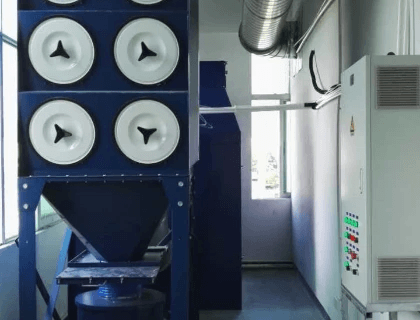
Choosing the right dust control system for your workplace is crucial in maintaining a safe and healthy environment. Whether you’re considering a dust collector machine or an industrial dust collection system, understanding your specific needs will guide your decision-making process. A tailored approach ensures that you select the most effective dust filters or collector dust solutions for your unique circumstances.
Assessing Your Dust Control Needs
Before diving into the world of dust collectors and air filters, it’s essential to assess your dust control needs comprehensively. Start by evaluating the types of materials being processed in your facility, as different substances generate varying levels of dust; for instance, metal dust collection systems require specialized equipment due to their distinct properties. Additionally, consider factors such as the volume of dust produced, workspace size, and any regulatory requirements that may dictate specific filtration standards.
Understanding these elements will help you determine whether a robust industrial dust collection system or a simpler air filter setup is more appropriate for your workplace. Moreover, engaging with employees who work directly with these materials can provide insights into their experiences with existing systems and highlight areas needing improvement. Ultimately, this assessment lays the groundwork for selecting an effective solution tailored to your operational requirements.
Factors to Consider in Your Decision
When choosing between a dust collector machine and air filters, several factors come into play that can significantly impact performance and satisfaction levels. First and foremost is the efficiency of each system; look for models that offer high filtration rates to ensure maximum capture of harmful particles while minimizing downtime due to maintenance issues. Additionally, consider the overall cost-effectiveness—this includes initial investment costs as well as ongoing expenses related to operation and maintenance.
Another key factor is compatibility; ensure that whatever system you choose integrates seamlessly into your existing operations without causing disruptions. You should also evaluate noise levels associated with different machines since some workplaces may prioritize quieter solutions over others. Lastly, don’t overlook manufacturer support—having access to reliable customer service can make all the difference when managing an industrial dust collection system.
Expert Recommendations for Optimal Solutions
To navigate this complex decision-making process effectively, expert recommendations can be invaluable in guiding you toward optimal solutions tailored specifically for your workplace's needs. For environments generating significant amounts of fine particulate matter like metal shops or woodworking facilities, investing in a high-quality collector dust machine designed explicitly for those applications is advisable; it ensures compliance while protecting worker health.
Additionally, consider systems equipped with advanced technology such as automatic cleaning features or real-time monitoring capabilities; these enhancements can improve efficiency while reducing manual intervention requirements over time. Furthermore, don’t hesitate to consult professionals who specialize in designing custom solutions—this personalized approach often yields better results than off-the-shelf options alone.
In conclusion, making informed decisions about dust control involves careful assessment of specific needs combined with consideration of various factors influencing performance and cost-effectiveness—ultimately leading you toward selecting an ideal solution like an industrial dust collection system suited perfectly for your unique environment.
Conclusion
In the realm of industrial operations, effective dust filtration is not just a luxury; it's a necessity. A robust dust collector for workplace environments ensures that harmful particles are captured before they can wreak havoc on both machinery and health. By investing in the right dust filtration systems, businesses can create safer workspaces, improve air quality, and enhance overall productivity.
The Importance of Effective Dust Filtration
Effective dust filtration plays a critical role in maintaining a healthy workplace environment. With the right collector dust systems in place, companies can significantly reduce airborne contaminants that may lead to respiratory issues among employees. Moreover, an industrial dust collection system not only protects workers but also prolongs the life of equipment by preventing the accumulation of harmful particles.
Tailoring Solutions to Industry Requirements
Not all industries are created equal when it comes to dust control needs; tailoring solutions is key to ensuring effectiveness. For instance, metal dust collection systems require specific features and capabilities to handle heavier particles compared to wood or plastic applications. Understanding your unique requirements allows you to choose between various types of dust filters and machines that align with your operational goals.
Final Thoughts on Dust Collectors vs Air Filters
While both dust collectors and air filters serve essential functions in improving air quality, their applications differ significantly based on the type of contaminants involved. A well-chosen dust collector machine will outperform standard air filters in environments with high levels of industrial debris or metal shavings. Ultimately, making an informed decision about which system best suits your needs will lead to enhanced safety and efficiency within your workspace.