

Introduction

In the world of industrial operations, maintaining a clean and safe environment is paramount. One of the most effective solutions for achieving this is through the use of a cyclone dust collector system. These systems are designed to efficiently capture and separate dust particles from the air, ensuring that workplaces remain free from harmful contaminants.
Understanding Cyclone Dust Collector Systems
A cyclone dust collector operates on a simple yet effective principle: centrifugal force. As air enters the cyclone dust collector, it is spun rapidly, causing heavier dust particles to be thrown against the walls of the separator and collected at the bottom. This design not only maximizes efficiency but also minimizes maintenance needs compared to traditional dust collection systems.
The Role of NAROO in Dust Collection
NAROO stands out as a leader in developing cutting-edge dust collection technology, particularly with its innovative industrial cyclone separators. By focusing on quality engineering and advanced manufacturing techniques, NAROO provides reliable solutions tailored to diverse industrial needs. Their commitment to excellence ensures that every dust collector they produce meets rigorous standards for performance and durability.
Benefits of Efficient Dust Collection
Investing in an efficient dust collection system yields numerous benefits for industries ranging from manufacturing to food processing. Enhanced air quality leads to improved worker health, reduced equipment wear, and compliance with safety regulations—all critical factors in today's competitive landscape. Moreover, using a well-designed cyclone dust collector can significantly reduce operational costs by minimizing downtime and maximizing productivity.
What is a Cyclone Dust Collector System
A cyclone dust collector system is a highly efficient method for removing dust and particulate matter from the air in industrial settings. Unlike traditional dust collection systems, which often use filters that can become clogged, a cyclone dust collector relies on centrifugal force to separate particles from the air stream. This innovative approach not only improves air quality but also enhances operational efficiency in various industries.
How It Works
The operation of a cyclone dust collector is rooted in its unique design, which employs centrifugal force to separate dust from the air. Air laden with particulates enters the cyclone chamber at an angle, creating a vortex that forces heavier particles to the outer walls of the chamber. These particles then fall into a collection bin at the bottom while cleaner air exits through an outlet at the top, making it an effective and low-maintenance solution for industrial dust collection.
Key Components Explained
A typical cyclone dust collector consists of several key components that work together seamlessly to ensure optimal performance. The main body or cylindrical chamber houses the airflow and facilitates particle separation, while an inlet duct directs incoming air into this chamber. Additionally, a collection bin gathers separated particles for easy disposal or recycling, and outlet ducts channel clean air back into the environment or into further filtration systems if necessary.
Advantages Over Traditional Systems
Cyclone dust collectors offer numerous advantages compared to traditional baghouse systems or filter-based collectors. For one, they require less maintenance since there are no filters to change regularly; instead, they simply need periodic emptying of collected dust. Moreover, their ability to handle larger volumes of air makes them ideal for heavy-duty industrial applications where efficiency and reliability are paramount in maintaining workplace safety and health standards.
The Technology Behind NAROO's Dust Collectors
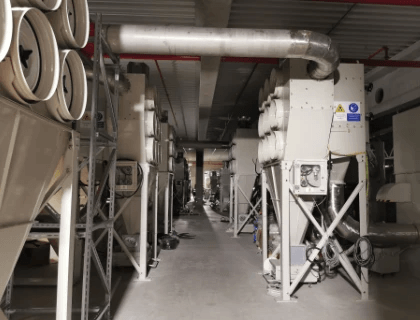
NAROO has revolutionized the dust collection industrial landscape with its cutting-edge technology. At the heart of their systems lies a sophisticated cyclone dust collector system, designed to efficiently separate and eliminate airborne particles. This innovation not only enhances air quality but also boosts productivity in various industrial settings.
Innovative Features
NAROO's dust collectors come packed with innovative features that set them apart from traditional options. For instance, their unique cyclone design maximizes airflow while minimizing resistance, ensuring optimal performance of the collector dust system. Moreover, many models are equipped with smart sensors that monitor operational efficiency and alert users to maintenance needs, making them a smart choice for any industrial dust collector setup.
Another standout feature is the modular design of NAROO’s systems, allowing for easy scalability as your business grows or changes. This flexibility means that whether you need a small-scale solution or an extensive network of cyclone dust collectors, NAROO has got you covered. In addition, their systems often include advanced filtration technologies that capture even the smallest particles, making them ideal for industries where cleanliness is paramount.
Advanced Manufacturing Techniques
The manufacturing techniques employed by NAROO are as impressive as their product features. Utilizing state-of-the-art technology in production ensures each cyclone dust collector system is built to last and perform under pressure. High-quality materials are sourced and rigorously tested to withstand harsh industrial environments while maintaining efficiency in the dust collection process.
Moreover, NAROO integrates automation in its manufacturing lines which enhances precision and reduces human error during production. This commitment to advanced manufacturing techniques not only streamlines operations but also results in a more reliable product for end-users seeking effective solutions for dust collection industrial applications. With each unit being crafted meticulously, customers can trust they’re investing in a durable and efficient industrial cyclone separator.
Commitment to Quality and Reliability
Quality and reliability are at the forefront of NAROO's mission in developing their dust collection systems. Each unit undergoes rigorous testing before it reaches the market; this ensures that every cyclone dust collector meets high-performance standards expected by industry professionals. Furthermore, NAROO’s dedication to quality control translates into lower maintenance costs over time since their products are designed to function effectively without frequent repairs.
In addition to robust construction, NAROO provides comprehensive customer support which reinforces their commitment to reliability post-purchase. Clients can rely on expert guidance when selecting or maintaining their collector dust systems—ensuring they always have access to optimal performance levels from their equipment. By focusing on both quality assurance and customer care, NAROO solidifies its reputation as a leader in innovative solutions for efficient industrial dust collection.
Applications of Dust Collection in Industry

Dust collection systems, particularly the cyclone dust collector system, play a pivotal role across various industries by ensuring clean air and compliance with safety regulations. These systems are essential for maintaining a healthy work environment while maximizing operational efficiency. From manufacturing to food processing, the applications of effective dust collection are both diverse and critical.
Manufacturing and Production
In the manufacturing sector, industrial dust collectors are indispensable for controlling airborne pollutants generated during production processes. The cyclone dust collector system efficiently captures large volumes of dust and debris, preventing them from contaminating the workspace. This not only enhances worker safety but also protects machinery from wear and tear caused by accumulated dust particles.
Moreover, implementing a robust dust collection system can lead to significant cost savings over time. By reducing downtime related to equipment maintenance and improving overall air quality, businesses can operate more smoothly and productively. As industries continue to evolve, investing in advanced collector dust solutions like NAROO's cyclone models is becoming increasingly important for sustainable growth.
Woodworking and Carpentry
Woodworking generates substantial amounts of sawdust and wood shavings, making an efficient dust collection system crucial for carpenters and woodworkers alike. Utilizing a cyclone dust collector helps manage these particulates effectively while enhancing visibility in work areas. This not only creates a safer environment but also ensures that tools remain clean and functional.
Additionally, an industrial cyclone separator can minimize fire hazards associated with wood debris accumulation—an often-overlooked risk in woodworking shops. By integrating a reliable industrial dust collector into their operations, craftsmen can focus on their artistry without worrying about health risks or equipment damage caused by excessive dust buildup. Ultimately, investing in effective solutions leads to higher-quality work and improved job satisfaction.
Food Processing and Pharmaceuticals
In the food processing industry as well as pharmaceuticals, maintaining stringent hygiene standards is paramount—this is where specialized dust collection systems shine brightly. A well-designed cyclone dust collector system efficiently removes contaminants while ensuring compliance with health regulations that govern these sectors. This not only protects product integrity but also safeguards consumer health.
Moreover, using an advanced industrial dust collector can streamline production processes by preventing cross-contamination between batches—a critical factor in both food safety and pharmaceutical efficacy. By investing in tailored solutions like those offered by NAROO, companies can enhance operational efficiency while promoting workplace safety standards that are vital in these sensitive industries.
Choosing the Right Dust Collection System

When it comes to selecting a dust collection system, the stakes are high. A well-chosen collector dust system can significantly enhance productivity and workplace safety, while a poorly selected one can lead to inefficiencies and health hazards. Understanding your specific needs and the characteristics of various systems is crucial in making an informed decision.
Factors to Consider
Several factors should guide your choice of an industrial dust collector. First, consider the type and volume of dust generated in your operation; different industries produce varying types of particulate matter that require tailored solutions. Additionally, airflow requirements and space constraints are essential; a cyclone dust collector system might be ideal for larger spaces with high airflow demands, while compact systems may suit smaller operations.
Another critical factor is maintenance needs; some systems require more upkeep than others. For instance, cyclone dust collectors tend to have lower maintenance requirements due to their design, which minimizes clogging compared to traditional baghouse collectors. Finally, think about energy efficiency—an industrial cyclone separator that operates efficiently can save you money in the long run.
Comparing Cyclone and Baghouse Collectors
Cyclone dust collector systems and baghouse collectors each have their pros and cons worth considering before making a final decision. Cyclone collectors excel in handling large volumes of coarse particulate matter without clogging or frequent filter changes, making them ideal for heavy-duty applications like woodworking or metalworking industries. On the other hand, baghouse systems are often better suited for fine particulate collection but may require more regular maintenance due to filter replacement needs.
Cost is another vital consideration; while cyclone collectors typically have lower initial costs due to simpler designs, baghouses might offer better filtration efficiency for certain applications despite higher upfront investments. It's also important to note that while both types can effectively manage industrial dust collection needs, their operational principles differ significantly—cyclones use centrifugal force while baghouses rely on fabric filters.
Ultimately, your choice will depend on balancing these factors according to your specific operational requirements.
NAROO's Tailored Solutions for Your Needs
NAROO stands out in the market by offering tailored solutions designed specifically for diverse industrial environments needing efficient dust collection systems. Their innovative range includes advanced cyclone dust collector systems equipped with features that enhance performance while ensuring ease of maintenance—a must-have for busy workplaces! With options available for various applications—from woodworking shops to food processing plants—NAROO provides customized setups that cater precisely to your operational demands.
Moreover, NAROO's commitment to quality means you won't just get any old collector dust system—you'll receive reliable technology built using advanced manufacturing techniques that ensure durability over time. Their team works closely with clients during the selection process so you can find an industrial cyclone separator that fits seamlessly into your existing setup and meets regulatory compliance standards effortlessly.
In summary, choosing the right dust collection solution involves understanding your operational needs thoroughly—and NAROO’s tailored offerings make it easier than ever!
Maintenance Tips for Long-lasting Performance

Maintaining your cyclone dust collector system is essential for ensuring its efficiency and longevity. A well-maintained dust collection system not only improves air quality but also enhances overall workplace safety. By implementing a few simple maintenance tips, you can keep your industrial dust collector running smoothly and effectively.
Regular Cleaning Routines
Establishing a regular cleaning routine is crucial for any effective dust collection system. Dust buildup can hinder the performance of your cyclone dust collector, leading to decreased efficiency and potential malfunctions. Make it a habit to inspect and clean the collector dust components, such as filters and collection bins, at least once a month to ensure optimal operation.
In addition to routine cleaning, pay special attention to any areas where fine particles tend to accumulate. These hotspots can become problematic if neglected over time. By regularly addressing these areas, you’ll help maintain the efficiency of your industrial cyclone separator and prolong its lifespan.
Monitoring System Efficiency
Monitoring the efficiency of your dust collection system is key to identifying potential issues before they escalate into serious problems. Keep an eye on airflow rates and pressure drops within the cyclone dust collector; significant changes may indicate blockages or wear in critical components. Investing in monitoring tools can provide real-time data that helps you make informed decisions about maintenance needs.
Additionally, consider conducting periodic performance evaluations on your industrial dust collector system to benchmark its effectiveness against industry standards. This proactive approach allows you to catch inefficiencies early on and take corrective actions swiftly, ensuring that your dust collection industrial processes remain uninterrupted.
Troubleshooting Common Issues
Even with diligent maintenance practices in place, issues may still arise with your cyclone dust collector system from time to time. Familiarize yourself with common problems such as excessive noise or reduced suction power; these symptoms often signal underlying issues that require immediate attention. For instance, check for clogs in the ductwork or inspect seals for leaks that could compromise performance.
If you're experiencing persistent problems despite troubleshooting efforts, don't hesitate to consult with professionals who specialize in industrial cyclone separators or similar systems. They can provide valuable insights into complex issues that may not be apparent at first glance while helping you avoid costly downtime associated with malfunctioning equipment.
Conclusion
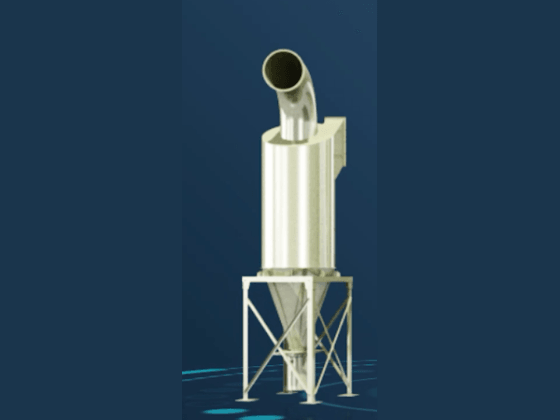
As we wrap up our exploration into the world of dust collection systems, it's clear that NAROO stands at the forefront of innovation in this vital industry. The company’s commitment to developing advanced cyclone dust collector systems has not only enhanced operational efficiency but also significantly improved workplace safety. With NAROO’s solutions, industries can effectively manage airborne particles, ensuring cleaner environments and healthier workspaces.
NAROO's Impact on Industrial Dust Collection
NAROO has revolutionized the way we think about industrial dust collectors by integrating cutting-edge technology into their designs. Their cyclone dust collector systems are engineered to outperform traditional methods, offering superior filtration and lower maintenance requirements. By prioritizing quality and reliability, NAROO has established itself as a leader in the dust collection industrial sector, setting new benchmarks for performance and sustainability.
Future Trends in Dust Collection Systems
The future of dust collection systems is bright, with trends leaning towards automation and smart technology integration. As industries evolve, so will the need for more efficient cyclone dust collectors that can adapt to changing environments and regulations. Additionally, advancements in materials science will likely lead to even more durable components for industrial cyclone separators, ensuring longevity and effectiveness in various applications.
Enhancing Workplace Safety and Health
Implementing an efficient dust collection system is crucial for enhancing workplace safety and health across all sectors. By reducing airborne contaminants through effective collector dust solutions like those offered by NAROO, businesses can foster a safer environment for employees while also complying with regulatory standards. Ultimately, investing in a high-quality industrial dust collector not only protects workers but also boosts productivity by minimizing downtime caused by hazardous conditions.