

Introduction

In the bustling world of warehousing, where efficiency meets safety, warehouse dust control is often the unsung hero. Dust isn't just a nuisance; it can compromise air quality, affect product integrity, and pose health risks to employees. Therefore, implementing effective dust solutions is paramount for maintaining a clean and productive work environment.
Importance of Warehouse Dust Control
The significance of warehouse dust control cannot be overstated. Not only does it enhance workplace safety by reducing respiratory hazards, but it also protects equipment and inventory from dust-related damage. With the right strategies in place, businesses can ensure compliance with health regulations while promoting a culture of cleanliness.
Challenges in Distribution and Packaging Lines
Distribution and packaging lines face unique challenges when it comes to managing dust effectively. The constant movement of goods creates airborne particles that can settle on products or machinery, leading to potential contamination or malfunctions. Addressing these challenges requires innovative approaches that blend technology with practical solutions like dust suppression systems and dust control curtains.
Overview of Effective Dust Solutions
To combat the pervasive issue of warehouse dust, several effective solutions have emerged in recent years. From advanced warehouse dust control machines designed to capture particles at their source to simple yet impactful practices like regular cleaning protocols—there's no shortage of methods available. Additionally, understanding the three ways to control dust on site can empower businesses to take proactive measures in creating a cleaner workspace.
Understanding Warehouse Dust Control

In the bustling environment of warehouses, dust control is often an overlooked yet critical aspect of operations. Effective warehouse dust control not only enhances the cleanliness of the facility but also contributes to a safer working environment for employees. By grasping the fundamentals of warehouse dust control, businesses can implement the best strategies to mitigate dust-related issues.
What is Warehouse Dust Control?
Warehouse dust control refers to a set of practices and technologies designed to minimize and manage dust accumulation in storage and distribution facilities. This process can include various methods such as installing a dust suppression system, utilizing advanced air filtration systems, and integrating dust control curtains into the workspace. The aim is to create a cleaner atmosphere that supports both productivity and employee well-being.
Common Sources of Dust in Warehouses
Dust in warehouses can arise from several sources, making it essential to identify them for effective management. Common culprits include materials being stored or handled, packaging processes, and even foot traffic that stirs up settled particles. Understanding these sources enables businesses to tailor their warehouse dust control measures effectively, ensuring they address specific challenges within their environment.
Health and Safety Implications
Ignoring warehouse dust control can have serious health implications for employees exposed over time to airborne particles. Prolonged exposure may lead to respiratory issues or other health complications, affecting overall workplace safety and productivity levels. Therefore, implementing effective strategies such as regular maintenance protocols or investing in a warehouse dust control machine becomes vital for safeguarding worker health while complying with industry regulations.
Best Warehouse Dust Control Methods
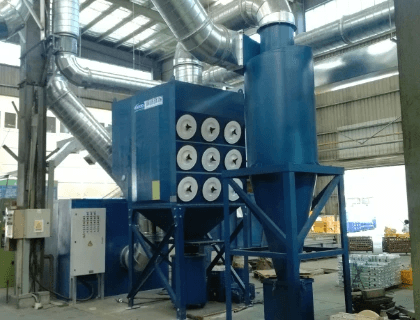
When it comes to maintaining a clean and safe warehouse environment, implementing the best warehouse dust control methods is essential. Dust not only affects air quality but can also compromise health and safety standards. By utilizing effective strategies tailored for dust management, warehouses can significantly reduce the risks associated with airborne particles.
Effective Strategies for Dust Management
To tackle warehouse dust control effectively, a multi-faceted approach is necessary. First, regular cleaning schedules should be established that include sweeping, vacuuming, and mopping to minimize dust accumulation on surfaces. Additionally, incorporating a warehouse dust control machine can enhance cleaning efficiency by targeting hard-to-reach areas and ensuring thorough removal of particulate matter.
Another effective strategy involves optimizing ventilation systems within the warehouse. Proper airflow helps dilute airborne dust particles while also promoting a healthier environment for employees. Furthermore, using barriers like dust control curtains can limit the spread of dust from one area to another during operations or maintenance work.
Benefits of a Dust Suppression System
Investing in a robust dust suppression system offers numerous advantages for warehouses aiming to improve air quality and safety standards. These systems work by using water or specialized chemicals to bind with airborne particles, effectively preventing them from becoming airborne in the first place. Not only does this lead to cleaner air for employees, but it also reduces wear on machinery caused by excessive dust accumulation.
Moreover, implementing such systems can lead to compliance with health regulations that require minimal exposure to harmful particulates in the workplace. This proactive approach not only protects employee health but also mitigates potential legal issues related to workplace safety violations concerning demolition dust control practices during construction or renovation projects.
Lastly, an efficient dust suppression system contributes positively to overall operational efficiency by reducing downtime caused by excessive cleaning or equipment maintenance due to accumulated dust levels.
Integrating Dust Control Curtains
Integrating dust control curtains into your warehouse layout is another smart move towards achieving optimal warehouse dust control. These flexible barriers are designed specifically to contain airborne particles within designated areas while allowing easy access for workers and machinery alike. By strategically placing these curtains around high-dust zones—like packaging lines or loading docks—you can significantly reduce cross-contamination throughout the facility.
Dust control curtains are especially beneficial during activities that generate significant amounts of debris or particulate matter such as renovations or demolition work within warehouses. They help create isolated environments where specialized cleaning measures can be implemented without affecting other areas of operation.
In addition, these curtains provide an added layer of thermal insulation which could contribute positively towards energy savings in temperature-controlled environments—making them both an economical and practical solution for any modern warehouse looking to enhance its overall cleanliness and efficiency.
Innovative Technologies for Dust Management
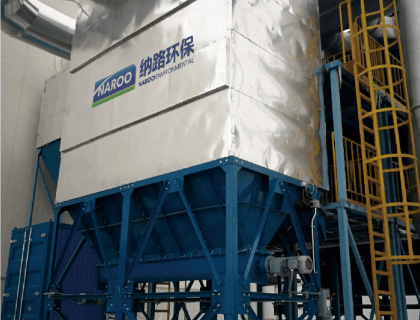
In the quest for effective warehouse dust control, innovative technologies play a crucial role. The evolution of warehouse dust control machines has transformed how businesses approach dust management, making it more efficient and effective than ever before. By leveraging cutting-edge solutions, warehouses can significantly reduce the health risks associated with dust exposure while maintaining compliance with regulations.
Exploring Warehouse Dust Control Machines
Warehouse dust control machines are designed to tackle the persistent issue of airborne particles in industrial settings. These machines range from high-efficiency particulate air (HEPA) filters to specialized vacuum systems that capture dust at its source. Implementing the best warehouse dust control machines not only enhances air quality but also contributes to a cleaner operational environment, boosting productivity and employee morale.
Moreover, these machines are often equipped with advanced sensors that monitor air quality in real-time, allowing for immediate adjustments to be made as necessary. This proactive approach is part of a comprehensive strategy that includes 3 ways to control dust on site: regular maintenance protocols, employee awareness programs, and the integration of advanced filtration systems. By investing in these technologies, warehouses can ensure long-term sustainability and safety.
Role of NAROO in Dust Removal Solutions
NAROO has emerged as a leading player in providing innovative solutions for warehouse dust control. Their products focus on efficiency and effectiveness in removing harmful particulates from the air while being user-friendly and easy to integrate into existing operations. With a commitment to developing state-of-the-art equipment, NAROO's offerings include specialized dust suppression systems that cater specifically to various industrial needs.
One standout feature of NAROO products is their ability to work seamlessly alongside other methods such as dust control curtains and traditional cleaning practices. This holistic approach ensures comprehensive coverage against both airborne and settled dust particles—key factors when considering demolition dust control as well. As warehouses evolve into more complex environments, NAROO continues to lead the charge with innovative solutions tailored for modern challenges.
Case Studies: Successful Implementation
Examining case studies reveals how effective implementation of warehouse dust control strategies can lead to significant improvements in workplace conditions. For instance, one major logistics company adopted an integrated system combining warehouse dust control machines with advanced air filtration technology and regular staff training sessions on best practices for maintaining cleanliness. The result? A remarkable 40% reduction in airborne particulates within just six months.
Another example highlights a manufacturing facility that faced severe issues during demolition activities; they turned to NAROO's specialized equipment combined with strategic planning involving demolition dust control techniques like water spraying systems and containment barriers like dust control curtains. This multifaceted approach not only minimized disruption but also ensured compliance with local regulations regarding airborne pollutants.
These case studies underscore the importance of adopting innovative technologies alongside traditional methods when addressing warehouse dust challenges effectively—proving that investment in smart solutions pays off handsomely over time.
3 Ways to Control Dust on Site
Controlling dust in a warehouse environment is essential for maintaining safety and efficiency. Implementing effective strategies can significantly reduce dust levels, ensuring a healthier workplace. Here are three practical methods to achieve optimal warehouse dust control.
Regular Maintenance and Cleaning Protocols
One of the best warehouse dust control practices is establishing regular maintenance and cleaning protocols. Frequent sweeping, vacuuming, and mopping can help minimize dust accumulation on surfaces and in the air. Additionally, using specialized warehouse dust control machines can enhance cleaning effectiveness by capturing fine particles that traditional methods might miss.
Implementing a schedule for routine inspections ensures that any potential dust sources are identified promptly. This proactive approach not only keeps the workspace clean but also contributes to employee health by reducing allergens and irritants in the environment. Consistent maintenance is key to achieving long-term success with your dust suppression system.
Employee Training and Awareness Programs
Educating employees about the importance of warehouse dust control is critical in fostering a culture of cleanliness and safety. Training programs should focus on how employees can actively participate in minimizing dust through proper handling techniques and awareness of their surroundings. When workers understand how their actions contribute to overall air quality, they are more likely to engage in best practices.
Awareness programs can also cover the use of tools like dust control curtains or personal protective equipment (PPE), which further enhance safety during dusty operations. Encouraging feedback from employees can lead to innovative ideas for improving current practices as they are often closest to potential issues on-site. A well-informed workforce is an invaluable asset when it comes to controlling dust effectively.
Use of Advanced Air Filtration Systems
Advanced air filtration systems play a pivotal role in maintaining clean air quality within warehouses, especially those prone to demolition dust control challenges or high levels of particulate matter from daily operations. These systems capture airborne particles before they settle on surfaces or enter workers' lungs, making them an essential component of any comprehensive warehouse dust control strategy.
Investing in high-efficiency particulate air (HEPA) filters ensures that even the smallest particles are trapped efficiently, contributing significantly to overall health standards within the facility. Moreover, integrating these systems with existing ventilation can optimize airflow while reducing energy costs associated with heating or cooling dusty environments. The combination of advanced filtration technology with other methods creates a robust framework for effective 3 ways to control dust on site.
Demolition Dust Control for Warehouses
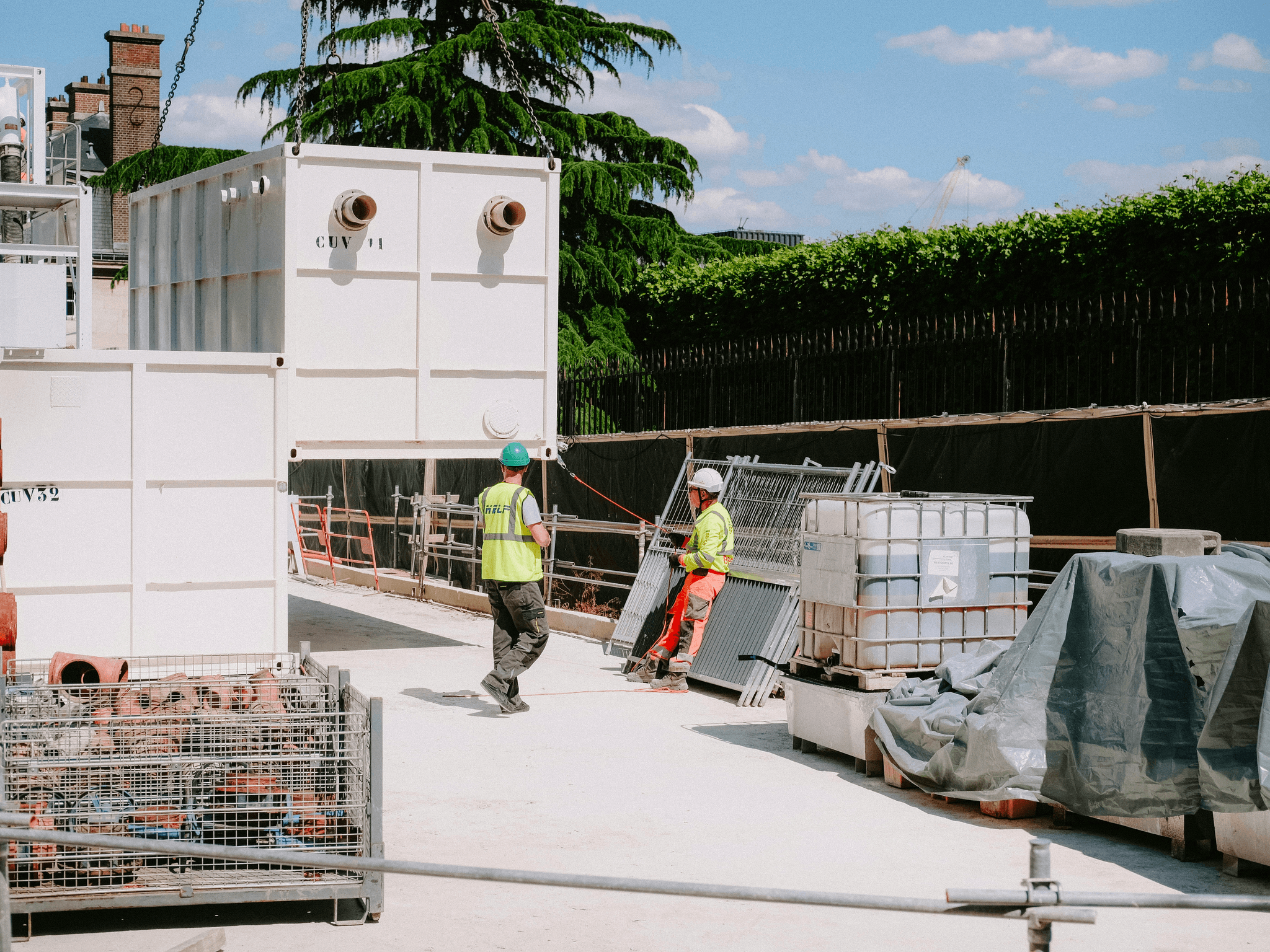
The sheer volume of materials being disturbed can create significant airborne particles, which not only compromise air quality but also pose health risks to workers and nearby residents. Effective warehouse dust control during demolition is essential to ensure safety, maintain compliance with regulations, and protect the environment.
Specific Challenges During Demolition
During demolition, the primary challenge lies in managing the unpredictable nature of dust generation. Unlike regular warehouse operations where dust sources may be more controlled, demolition activities can release large amounts of debris from various materials such as concrete, wood, and insulation. This chaotic environment makes it difficult to implement standard best warehouse dust control measures effectively without a tailored approach.
Another challenge is the potential for accumulated dust from previous operations to mix with fresh debris during demolition. This combination can lead to hazardous conditions if not properly managed, necessitating robust strategies like a comprehensive dust suppression system that addresses both existing and newly generated particles. Moreover, coordinating safe work practices among multiple contractors on site further complicates effective demolition dust control.
Techniques for Effective Dust Management
To tackle the challenges of demolition dust control effectively, several techniques can be employed that align with best practices in warehouse environments. First and foremost is the implementation of a dedicated dust suppression system designed specifically for high-dust scenarios; this could include water sprays or misting systems that actively reduce airborne particles during active work phases. Additionally, using heavy-duty plastic or fabric dust control curtains can help contain debris within specific areas while allowing workers to operate efficiently.
Regular maintenance and cleaning protocols are also crucial components of effective site management during demolition work. Establishing a routine that includes frequent vacuuming—preferably with industrial-grade vacuums equipped with HEPA filters—can significantly minimize residual buildup on surfaces and in the air. Finally, ensuring all personnel are trained in 3 ways to control dust on site will foster a culture of awareness about potential hazards associated with airborne particles.
Importance of Compliance with Regulations
Compliance with local regulations regarding warehouse dust control is non-negotiable during any demolition project; failing to adhere to these standards can result in severe penalties and reputational damage for companies involved. Various government agencies set forth guidelines aimed at protecting public health by regulating emissions from construction sites—this includes limits on particulate matter released into the atmosphere during activities such as demolition work.
Furthermore, demonstrating compliance through diligent record-keeping and reporting can enhance an organization’s credibility within its industry while fostering trust among stakeholders—including employees and local communities affected by such projects. By prioritizing effective demolition dust control strategies alongside regulatory adherence, companies not only safeguard their workforce but also contribute positively towards environmental stewardship efforts in their operational areas.
Conclusion

In summary, effective warehouse dust control is not just a preference but a necessity for maintaining a safe and efficient work environment. The challenges posed by dust in distribution and packaging lines can be mitigated through various innovative methods, including the best warehouse dust control strategies and advanced technologies. By understanding the implications of dust management, warehouses can implement tailored solutions that enhance productivity while ensuring employee safety.
Key Takeaways on Warehouse Dust Control
Warehouse dust control is crucial for protecting both workers' health and the integrity of products stored within these environments. Regular maintenance, employee training, and the implementation of a robust dust suppression system are essential elements in any effective strategy. Additionally, integrating tools such as dust control curtains and warehouse dust control machines can significantly reduce airborne particles, creating a cleaner workspace.
Future Trends in Dust Management Solutions
Looking ahead, the future of warehouse dust control will likely see advancements in smart technology integration that allows for real-time monitoring of air quality and dust levels. Companies will increasingly rely on automation to enhance their 3 ways to control dust on site, making processes more efficient while minimizing human exposure to harmful particles. Furthermore, innovations in demolition dust control techniques will emerge as industries prioritize compliance with environmental regulations and worker safety.
Why NAROO is the Go-To Choice for Industries
Their specialized products—such as advanced warehouse dust control machines—are designed with cutting-edge technology that effectively addresses various types of airborne debris. With a proven track record in providing comprehensive solutions like customizable dust suppression systems and durable dust control curtains, NAROO is undeniably the go-to choice for industries aiming to enhance their workplace environment.