

Introduction
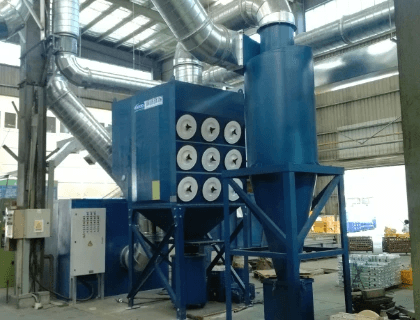
In the world of woodworking and industrial applications, understanding the importance of a dust collector system design cannot be overstated. Effective dust collection is crucial not only for maintaining a clean workspace but also for ensuring the health and safety of workers. With the right dust extractor in place, you can significantly reduce airborne particles, enhance air quality, and create a more efficient working environment.
Understanding Dust Collection Importance
Dust collection is vital in any woodworking operation as it helps to manage harmful particles that can lead to respiratory issues and other health problems. The accumulation of collector dust can also affect machinery performance and lead to costly downtime if not properly managed. By implementing an effective dust collection system, businesses can protect their employees while ensuring compliance with safety regulations.
Key Components of a Dust Collector System
A well-designed dust collector system comprises several essential components that work together to capture and filter out harmful particles effectively. These include the dust extractor itself, ductwork for transporting air, and filtration systems that trap fine particles before they can escape into the atmosphere. Each element plays a critical role in optimizing overall performance and efficiency in managing woodworking dust.
Benefits of Effective Dust Collector Design
An effective dust collector design offers numerous benefits beyond just cleaner air; it enhances productivity by minimizing interruptions caused by excessive cleanup efforts due to accumulated debris. With advanced filtration systems integrated into your setup, you’ll experience less wear on equipment and longer service life for your tools—saving money in the long run. Ultimately, investing in a robust dust collection system is an investment in both safety and operational efficiency.
The Science of Dust Collection

Understanding the science behind dust collection is crucial for effective dust management in various industries, particularly woodworking. Dust particles travel through the air, creating potential health hazards and operational inefficiencies if not properly managed. This section delves into how dust travels, the role of a dust extractor, and the different types of dust encountered in woodworking.
How Dust Travels in the Air
Dust particles are lightweight and can easily become airborne due to even minor disturbances in their environment. Once released, they can travel significant distances before settling down, which is why a robust dust collector system design is essential for any workspace. Understanding how these particles move helps inform effective strategies for capturing them before they contribute to poor air quality or equipment damage.
In woodworking environments, fine sawdust generated during cutting or sanding processes can linger in the air for extended periods, posing health risks to workers. This airborne particulate matter not only affects respiratory health but also reduces visibility and creates a mess that can hinder productivity. Therefore, implementing an efficient dust collection system is vital to mitigate these issues.
Moreover, factors such as airflow velocity and particle size play significant roles in how effectively a dust filtration system can capture these particles. Larger particles may settle quickly, while smaller ones remain suspended longer; this necessitates careful planning when designing your collector dust strategy. By comprehensively understanding how dust travels in the air, you can optimize your woodworking dust collector for maximum efficiency.
The Role of a Dust Extractor
A well-designed dust extractor serves as the heart of any effective dust collection system by actively removing airborne particulates from the workspace environment. These systems utilize suction to draw in wood shavings and fine particles directly from machinery or work surfaces before they have a chance to disperse into the air. In doing so, they significantly enhance both safety and productivity within woodworking operations.
When selecting a suitable extractor for your needs, consider factors like airflow capacity and filtration efficiency—after all, not all systems are created equal! A high-quality woodworkings dust collector will feature advanced filtration technologies capable of trapping even the smallest particles while maintaining optimal airflow dynamics throughout your workshop space. This balance ensures that you’re not only keeping your workspace clean but also safeguarding workers’ health against harmful inhalation risks associated with fine wood particulates.
Types of Dust in Woodworking
In woodworking settings specifically designed around efficient operations using a well-planned collector dust strategy must account for various types of debris produced during different processes—each presenting unique challenges when it comes time to implement proper mitigation measures! The most common forms include sawdust (fine powder), chips (larger pieces), shavings (thin layers), and other contaminants like resin or chemicals from finishes applied on wood surfaces.
Sawdust tends to be particularly problematic due its ability to remain airborne longer than larger chips; thus requiring specialized filters within an effective filtration system designed specifically tailored towards capturing ultra-fine particulates efficiently! On top of that: ensuring compatibility between machines generating specific types of waste material alongside their corresponding extraction solutions becomes paramount if one hopes achieve optimal results across diverse tasks undertaken within any given shop environment!
Ultimately understanding these distinctions enables operators not only choose appropriate equipment but also develop comprehensive strategies aimed at minimizing overall exposure risk while maximizing productivity levels across all facets involved throughout each project undertaken—from rough cuts right down through finishing touches applied once everything’s been sanded smooth!
Essential Elements of Dust Collector Design

When it comes to dust collector system design, understanding the essential elements can make a world of difference in performance and efficiency. A well-thought-out design ensures that your woodworking dust collector operates at peak effectiveness, capturing and filtering out harmful particles before they can wreak havoc on your workspace. Let’s explore the key components that contribute to a successful dust collection system.
Choosing the Right Collector Size
The size of your dust collector is crucial for effective dust collection; too small, and you’ll be left with a cloud of sawdust lingering in the air. To determine the right size, consider the volume of air produced by your machines and the type of woodworking dust generated. A properly sized collector not only enhances airflow but also improves overall efficiency, ensuring that every particle is captured without straining your equipment.
Choosing an appropriately sized dust extractor means calculating CFM (cubic feet per minute) requirements based on your tools' specifications and their usage frequency. If you’re working with larger machines or multiple tools simultaneously, investing in a larger unit might be necessary to maintain optimal performance. Remember, a well-sized collector leads to fewer clogs and extended filter life—key factors for any effective dust filtration system.
Integrating Efficient Dust Filtration Systems
A robust dust filtration system is vital for maintaining clean air in your workspace while extending the lifespan of your equipment. Effective filters trap fine particles that would otherwise escape into the atmosphere or clog machinery, making their integration essential in any quality dust collector system design. Look for multi-stage filtration systems that use pre-filters combined with HEPA filters to ensure maximum capture rates.
When selecting filters for your woodworking dust collector, consider both efficiency ratings and maintenance requirements; high-efficiency filters may require more frequent changes but will do a better job at trapping harmful particulates. Investing in an efficient filtration system not only protects worker health but also contributes to cleaner shop conditions overall—who wouldn’t want that? Plus, remember to check compatibility with existing systems when integrating new components; this will save you headaches down the line.
Importance of Airflow Dynamics
Airflow dynamics play a pivotal role in how effectively a dust collection system operates—think of it as blood flow through veins! Proper airflow ensures that every nook and cranny gets cleared out without leaving behind pesky debris or causing blockages within ducts or hoses. Understanding how air moves through your workshop can help you optimize duct layouts and minimize bends or turns that could impede flow.
In designing an efficient woodworking dust collector setup, aim for smooth transitions between different duct sizes while keeping runs as straight as possible to maintain high airflow rates throughout the entire system. Additionally, strategically placing blast gates allows you to control which machines receive suction power based on current needs without compromising overall performance across other areas of your shop space. Ultimately, mastering airflow dynamics will lead to an optimized setup where every particle has its place—and it’s not floating around!
Innovations in Dust Collection Technology

The landscape of dust collection technology is evolving rapidly, driven by the need for cleaner air and more efficient systems. As industries become increasingly aware of the health risks associated with airborne particles, innovations in dust collector system design are at the forefront of ensuring safety and compliance. From advanced filtration methods to smart monitoring systems, these trends are shaping the future of dust collection.
Latest Trends in Dust Collector Systems
One notable trend is the shift towards modular dust collection systems that can be customized to fit specific needs. These adaptable designs allow for easier upgrades and maintenance, making them ideal for woodworking environments where various types of dust are generated. Additionally, energy-efficient collectors that reduce power consumption while maintaining high performance are gaining traction, reflecting a growing emphasis on sustainability in dust collection.
Another significant trend is the integration of smart technology into dust extractors. With features like real-time monitoring and automated alerts for filter changes, these intelligent systems ensure optimal performance while minimizing downtime. Moreover, advanced sensors can detect changes in airflow dynamics, prompting immediate adjustments to maintain efficiency in any dust collection system.
Finally, the rise of portable and compact designs makes it easier than ever for woodworkers to implement effective solutions without sacrificing workspace. These innovations not only enhance mobility but also provide powerful suction capabilities tailored to various woodworking applications. As a result, modern woodworking dust collectors are more versatile than ever before.
NAROO’s Impact on Dust Filtration Solutions
NAROO has emerged as a leader in revolutionizing dust filtration solutions through cutting-edge technology and innovative design approaches. Their commitment to enhancing collector dust management has led to products that prioritize both efficiency and safety in industrial settings. By focusing on high-performance filtration systems that effectively capture even the finest particles, NAROO sets a new standard for what a modern dust collection system should achieve.
Moreover, NAROO's expertise extends into creating explosion-proof systems tailored specifically for industries dealing with combustible wood particles. This specialization ensures compliance with stringent safety regulations while providing peace of mind for operators concerned about potential hazards associated with woodworking dust collection systems. With their focus on research and development, NAROO continues to push boundaries within the realm of effective dust extraction.
In addition to their technological advancements, NAROO emphasizes user-friendly interfaces that allow operators to monitor performance easily and make necessary adjustments on-the-fly. This approach not only streamlines operations but also fosters an environment where workers can focus on their craft without distraction from inadequate equipment performance or safety concerns related to poor air quality.
How Technology Enhances Dust Collection
Technology plays an integral role in enhancing every aspect of modern dust collection processes—from design optimization to operational efficiency—ensuring cleaner work environments across various industries. Advanced software solutions now enable precise calculations when designing a custom collector system tailored specifically for unique workflows within woodworking shops or manufacturing facilities alike. By leveraging data analytics and simulation tools during the planning phase, businesses can achieve optimal airflow dynamics crucial for effective particle removal.
Furthermore, innovations such as electrostatic precipitators have transformed traditional filtration methods by employing electrical charges that attract even smaller particles typically missed by standard filters used in conventional setups like woodworking dust collectors or industrial applications alike! This leads not only improves overall air quality but also contributes significantly towards prolonging equipment life due reduced wear-and-tear caused by excessive buildup over time—a win-win scenario!
Lastly—and perhaps most importantly—the integration of IoT (Internet of Things) technologies allows real-time communication between components within any given setup; whether it’s monitoring filter saturation levels or assessing overall system performance remotely via mobile applications—this level connectivity empowers users take proactive measures before problems escalate into costly repairs down line!
Avoiding Common Dust Collection Pitfalls

Designing an effective dust collection system is crucial for maintaining a clean and safe woodworking environment. However, many enthusiasts and professionals alike fall into common traps that can hinder performance and efficiency. By recognizing these pitfalls, you can optimize your dust collector system design for better results.
Common Design Mistakes to Watch Out For
One of the most prevalent mistakes in dust collector system design is underestimating the size of the collector needed for the space. A woodworking dust collector that’s too small will struggle to keep up with debris, leading to clogs and inefficient operation. Additionally, neglecting proper ductwork layout can create bottlenecks, reducing airflow and ultimately compromising your dust filtration system's effectiveness.
Another frequent oversight is failing to consider the type of dust generated in woodworking operations. Different materials produce varying sizes and weights of particles; thus, a one-size-fits-all approach often leads to ineffective collection. Ensuring that your dust extractor matches the specific requirements of your projects will enhance both performance and safety.
Lastly, not accounting for airflow dynamics can lead to significant inefficiencies within your dust collection setup. If ducts are poorly designed or too long without sufficient diameter, air velocity may drop below optimal levels, allowing fine particulates to escape into your workspace. Keeping these common design mistakes in mind will help you create a more efficient and effective dust collection system.
Importance of Regular Maintenance
Regular maintenance is essential for ensuring that your dust collection system operates at peak efficiency over time. Just like any machinery, a woodworking dust collector requires routine checks on filters, hoses, and connections to maintain optimal performance levels. Neglecting this aspect can lead to decreased suction power or even complete failure when you need it most.
Moreover, regular maintenance allows you to catch potential issues before they escalate into costly repairs or replacements. Checking for leaks in ductwork or worn-out parts ensures that no precious airflow is lost during operation—this keeps your air clean while maximizing collection efficiency. Investing time into maintenance ultimately prolongs the lifespan of your equipment while ensuring compliance with safety standards.
Finally, don’t forget about cleaning! Accumulated sawdust not only affects air quality but also poses fire hazards if left unchecked in your workspace or within the machinery itself. Establishing a regular cleaning schedule ensures that both the environment remains safe and that your dust filtration system continues functioning optimally.
Troubleshooting a Dust Collection System
When issues arise with your dust collector system design, troubleshooting effectively can save you time and resources down the line. Start by checking if there are any visible blockages in hoses or filters; even minor obstructions can significantly reduce airflow through your entire setup—making it less effective at collecting debris from woodworking activities.
If blockages aren’t evident but performance is lacking, consider measuring airflow at various points along the ductwork using an anemometer; this helps identify where pressure drops occur within the system due to poor design choices or wear over time. Once identified, adjustments such as resizing ducts or replacing damaged components may be necessary for restoring optimal function.
Lastly, keep an eye on filter conditions—clogged filters not only impede airflow but also increase strain on motors which could lead them toward premature failure! Regularly inspecting filter status will help maintain peak efficiency while ensuring safety standards are met throughout all aspects of operation within any woodshop environment utilizing a dedicated dust extraction solution.
Designing for Safety and Compliance

When it comes to dust collection, safety and compliance should always be at the forefront of any dust collector system design. Ensuring that your system meets industry standards not only protects workers but also enhances the efficiency of your dust filtration system. By adhering to regulations, you can create a safer workspace while maximizing the performance of your woodworking dust collector.
Ensuring Compliance with Industry Standards
Compliance with industry standards is essential in any dust collection system. Organizations like OSHA and NFPA provide guidelines that dictate how to handle and manage airborne particles effectively. By incorporating these standards into your dust extractor design, you ensure that your equipment minimizes risks associated with woodworking dust, such as respiratory issues or fire hazards.
Regular audits and inspections can help maintain compliance and identify areas for improvement within your collector dust setup. It’s crucial to stay updated on changes in regulations, as they can impact how you design or upgrade your existing systems. Ultimately, a well-designed system not only meets legal requirements but also fosters a culture of safety among employees.
Explosion-Proof Systems: NAROO's Expertise
In certain industries, the risk of combustible dust explosions is a serious concern; this is where explosion-proof systems come into play. NAROO specializes in designing advanced systems that mitigate these risks while ensuring optimal performance for various applications in woodshops and manufacturing facilities alike. Their expertise allows businesses to implement effective solutions tailored specifically to their needs.
By integrating explosion-proof features into a dust collector system design, companies can protect both their workforce and property from potential disasters caused by flammable particles in the air. This involves using materials resistant to ignition and ensuring proper grounding techniques are employed throughout the installation process. With NAROO’s innovative approaches, businesses can confidently navigate the complexities of safe dust management without compromising efficiency.
Best Practices for Safe Dust Management
Effective dust management goes beyond just installing a high-quality dust collection system; it requires ongoing vigilance and adherence to best practices throughout its operation. Regular maintenance is vital for keeping your woodworking dust collector running smoothly—this includes cleaning filters, checking seals, and inspecting ductwork for leaks or blockages that could reduce airflow efficiency.
Training employees on safe practices when operating machinery connected to the dust extractor is equally important; they should understand how improper use can lead to increased risks associated with airborne particulates. Additionally, investing in high-quality components within your filtration systems will ensure long-lasting performance while minimizing downtime due to repairs or replacements.
Ultimately, prioritizing safety through thoughtful design choices will pay off by creating an environment where productivity thrives alongside worker well-being—a win-win situation!
Conclusion
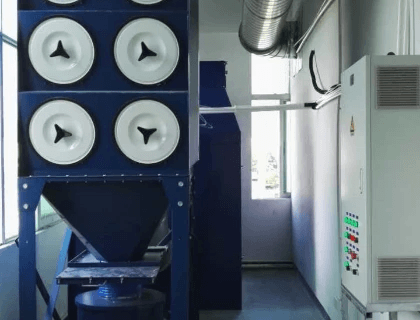
In wrapping up our exploration of dust collection systems, it’s clear that the future is bright for those committed to effective dust collector system design. As industries evolve and technology advances, the need for efficient and safe methods of managing woodworking dust will only grow. Embracing these changes will not only enhance productivity but also ensure a healthier work environment.
Future Trends in Dust Collector Systems
Looking ahead, we can expect significant innovations in dust collection technology that will redefine how we approach dust management. The integration of smart sensors and IoT capabilities will allow for real-time monitoring of collector dust levels, optimizing performance and reducing downtime. Additionally, advancements in materials used for dust filtration systems promise to enhance efficiency while minimizing environmental impact.
Leveraging Technology for Improved Safety
Safety should always be at the forefront when considering a dust collection system. By leveraging technology, such as advanced airflow dynamics and explosion-proof designs, companies can significantly mitigate risks associated with woodworking dust accumulation. Furthermore, continuous improvements in filtration technology will provide cleaner air quality and safer working conditions for employees.
Choosing the Right Dust Collection Partner
Selecting the right partner for your dust collector system design is crucial to achieving long-term success in your operations. Look for companies with a proven track record in delivering high-quality woodworking dust collectors that meet industry standards while also offering comprehensive support services. A reliable partner not only provides top-notch equipment but also ensures you are equipped with the knowledge needed to maintain an effective dust collection system.