

Introduction

In the bustling world of food production, maintaining a clean and safe environment is paramount. This is where food dust extraction systems come into play, serving not just as a luxury but as a necessity for any facility aiming to uphold hygiene standards and operational efficiency. With various types of dust extraction solutions available, understanding their importance can lead to significant improvements in both safety and productivity.
Importance of Food Dust Extraction Systems
Food dust extraction systems are essential for controlling airborne particles that can compromise product quality and worker safety. These systems effectively capture dust generated during processing, ensuring that facilities remain compliant with health regulations while minimizing contamination risks. In addition to safeguarding health, proper food dust extraction can enhance equipment longevity by preventing dust buildup that might hinder machinery performance.
Types of Dust Extraction SolutionsFrom compact food dust extraction machines designed for smaller operations to large-scale industrial solutions capable of handling significant volumes of airborne particles, each type has its unique advantages. Additionally, food dust extraction kits offer customizable components that allow businesses to tailor their systems according to specific operational requirements.
Key Benefits for the Food Industry
Implementing effective food dust extraction solutions translates into numerous benefits for the food industry as a whole. Firstly, these systems significantly reduce the risk of fire hazards associated with combustible dust—an often-overlooked danger in production environments. Secondly, by ensuring compliance with stringent safety standards through reliable dust filtration systems and maintenance protocols like regular checks on dust collector filters, businesses can avoid costly fines and shutdowns while promoting a culture of safety among employees.
Understanding Food Dust Extraction
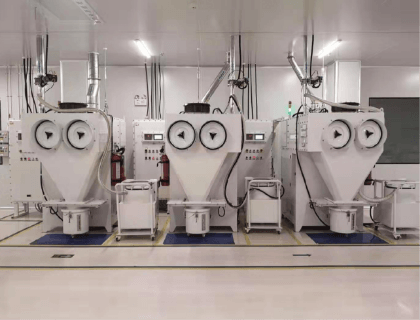
In the bustling world of food production, maintaining a clean and safe environment is paramount. This is where food dust extraction comes into play, serving as a crucial component in ensuring product quality and worker safety. By effectively removing airborne particles generated during food processing, dust extraction systems help to uphold industry standards and enhance operational efficiency.
What is Food Dust Extraction?
Food dust extraction refers to the process of capturing and removing fine particles that are produced during various stages of food manufacturing. These particles can come from ingredients like flour, sugar, or spices, which can create hazardous conditions if not managed properly. A well-designed food dust extraction machine plays a vital role in mitigating risks associated with airborne contaminants while also improving air quality within the production facility.
Common Sources of Dust in Food Production
Dust in food production can originate from numerous sources, making it essential for manufacturers to be proactive about their dust management strategies. Common culprits include grinding processes, ingredient handling, packaging operations, and even cleaning activities that disturb settled dust. By identifying these sources early on, facilities can implement effective food dust extraction kits tailored to their specific needs.
Importance of Compliance and Safety Standards
Compliance with safety standards is not just a regulatory requirement; it’s an ethical obligation for any business operating in the food industry. Properly implemented dust filtration systems ensure that companies meet health regulations while safeguarding their workers from potential respiratory hazards caused by excessive dust exposure. Investing in reliable dust collector filters further enhances compliance efforts by ensuring that extraction systems function optimally and maintain air quality within acceptable limits.
Exploring Food Dust Extraction Machines
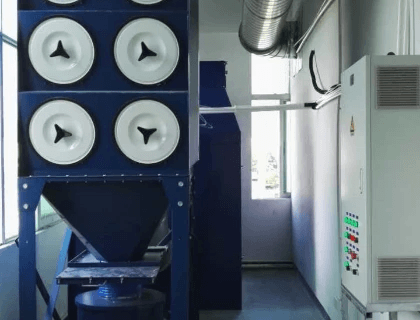
In the quest for cleaner and safer food production environments, food dust extraction machines play a pivotal role. These machines are designed not only to capture harmful dust particles but also to enhance operational efficiency. Understanding their features, brands, and selection criteria can help businesses make informed choices that align with their specific needs.
Features of Modern Extraction Machines
Modern food dust extraction machines boast a variety of innovative features aimed at maximizing efficiency and safety. Many are equipped with advanced filtration systems that effectively trap fine particles, ensuring compliance with strict health regulations in the food industry. Additionally, these machines often come with user-friendly interfaces and automated controls, making them easier to operate while minimizing downtime during cleaning or maintenance.
Another key feature is their adaptability; many models can be customized to fit different production lines or integrate seamlessly into existing setups. Noise reduction technology is also prevalent in newer designs, allowing for quieter operation without sacrificing performance. These enhancements not only improve workplace conditions but also contribute significantly to the longevity of equipment by reducing wear and tear from airborne particulates
How to Choose the Right Machine
Choosing the right food dust extraction machine involves careful consideration of several factors tailored to your operations’ needs. First, assess your production environment: consider factors such as space limitations, types of materials being processed, and specific compliance requirements within your industry standards regarding dust control measures.
Next, evaluate the machine's capacity; it's essential that it can handle your expected volume of production without becoming overwhelmed or inefficient over time. Finally, don’t overlook after-sales service—reliable support from manufacturers can make all the difference when it comes to maintenance or troubleshooting issues related to your chosen dust filtration system.
Effective Food Dust Extraction Kits

In the world of food production, maintaining a clean and safe environment is paramount, and effective food dust extraction kits play a crucial role in achieving this goal. These kits are designed to capture and eliminate harmful dust particles generated during food processing, ensuring compliance with safety standards while enhancing overall operational efficiency. Investing in a quality food dust extraction kit not only protects workers but also improves product quality by minimizing contamination risks.
Components of a Reliable Dust Extraction Kit
A reliable food dust extraction kit typically includes several key components that work together to ensure optimal performance. At the heart of the system is the food dust extraction machine, which effectively captures airborne particles before they can settle on surfaces or contaminate products. Additionally, high-quality dust collector filters are essential for trapping fine particles, while ductwork and hoods facilitate efficient airflow throughout the facility.
Other important components may include pre-filters for larger debris, blower systems to create necessary suction power, and control panels for monitoring system performance. Each element must be carefully selected to match the specific needs of your operation, ensuring that your dust filtration system functions seamlessly and effectively. By understanding these components and their roles, you can make informed choices when assembling your own food dust extraction kit.
Installation and Maintenance Tips
Installing a food dust extraction kit requires careful planning to ensure it integrates smoothly with existing equipment while maximizing efficiency. Start by assessing your facility layout to determine optimal placement for the food dust extraction machine and ductwork; proper positioning can significantly enhance airflow dynamics. It's also vital to follow manufacturer instructions during installation to avoid potential pitfalls that could compromise system effectiveness.
Once installed, regular maintenance becomes crucial in keeping your dust filtration system running at peak performance. Schedule routine inspections of all components—especially the dust collector filters—to identify any signs of wear or clogging early on. Keeping an eye on filter condition not only prolongs their lifespan but also ensures consistent air quality within your production area.
Enhancing Efficiency with Kits
To truly maximize efficiency with your food dust extraction kit, consider implementing additional features that boost performance even further. For instance, investing in automated controls can help monitor air quality levels and adjust operational settings accordingly—ensuring optimal suction when needed most without wasting energy during quieter periods. Furthermore, training staff on best practices for using these systems will promote adherence to safety protocols while fostering an environment focused on cleanliness.
Another way to enhance efficiency is by regularly reviewing workflow processes within your facility; identifying areas where additional points of capture could be added may lead to even greater reductions in airborne particulates generated during production activities. By continually optimizing both equipment use and operational practices surrounding your food dust extraction kit, you’ll contribute significantly towards creating a safer working environment while improving overall productivity.
The Role of Dust Collector Filters

In the realm of food dust extraction, dust collector filters play a critical role in maintaining air quality and ensuring compliance with safety regulations. These filters are designed to capture harmful particles generated during food production processes, thus protecting both workers and products from contamination. Without effective dust collector filters, the efficiency of your food dust extraction machine could be severely compromised, leading to potential health risks and operational inefficiencies.
Types of Dust Collector Filters
Bag filters are popular due to their large surface area and high filtration efficiency; they can capture fine particles effectively. Cartridge filters offer a compact design with high filtration performance, making them ideal for space-constrained environments in food processing facilities.
Additionally, HEPA (High-Efficiency Particulate Air) filters are essential for capturing extremely fine particles that could otherwise escape into the air. Each type serves specific needs within a dust filtration system, so understanding their differences is crucial when selecting a food dust extraction kit tailored for your operations. Ultimately, choosing the right filter can significantly enhance the effectiveness of your overall dust management strategy.
Importance of Filter Maintenance
Regular cleaning or replacement of dust collector filters is essential to prevent clogging and maintain airflow efficiency; otherwise, you risk reduced suction power and increased energy consumption. Moreover, neglected filters can lead to increased wear on your food dust extraction machine itself—resulting in costly repairs or even premature failure.
Implementing a routine maintenance schedule will not only extend the life of your equipment but also ensure that your facility remains compliant with health and safety standards. Remember that investing time in filter maintenance pays off by maximizing efficiency while minimizing risks associated with airborne contaminants in food production environments.
Implementing Dust Filtration Systems
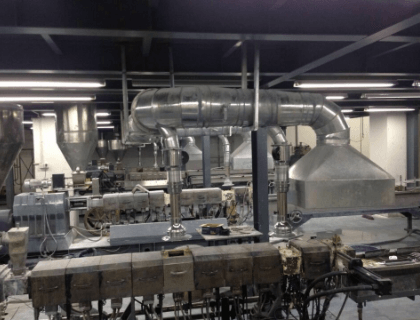
When it comes to food dust extraction, setting up an efficient filtration system is crucial for maintaining a safe and clean production environment. An effective dust filtration system minimizes airborne particles that can compromise food safety and employee health. Proper installation, regular maintenance, and suitable equipment selection play pivotal roles in achieving optimal performance.
Setting Up an Efficient Filtration System
To set up a successful food dust extraction system, start by assessing the specific needs of your production area. Identify common sources of dust and select a food dust extraction machine tailored to address those challenges effectively. Once you've chosen the right equipment, ensure proper placement to maximize airflow and capture efficiency while minimizing noise levels.
Next, consider integrating a comprehensive food dust extraction kit that includes essential components like ductwork, hoods, and collection bins. These kits are designed to work seamlessly together, enhancing overall effectiveness in capturing dust at its source before it spreads throughout the facility. Regular monitoring of the system's performance will help you identify any necessary adjustments or upgrades over time.
Lastly, always keep compliance with safety standards at the forefront when implementing your dust filtration system. This not only protects your employees but also ensures that your operation meets industry regulations. By prioritizing safety through efficient filtration systems, you are investing in the long-term success of your food production processes.
Integration with Existing Equipment
Integrating new food dust extraction solutions with existing equipment can be daunting but is vital for maximizing efficiency in your facility. Begin by evaluating current machinery layouts and identifying how best to incorporate a new food dust extraction machine without disrupting workflow or productivity. A well-planned integration can lead to improved air quality while maintaining operational flow.
Consideration should also be given to how existing systems interact with new installations; ensuring compatibility between old machines and modern filtration technology is key for seamless operation. Utilizing adaptable ducting systems allows for easy connections between various pieces of equipment while ensuring effective capture of airborne particles generated during processing activities.
Moreover, training staff on how these integrated systems work will facilitate smoother operations and foster a culture of safety within your organization. Empowering employees with knowledge about their role in maintaining air quality will help ensure ongoing compliance with health standards while maximizing the benefits of your investment in a robust dust filtration system.
Real-World Case Studies: Success Stories
Real-world case studies provide valuable insights into successful implementations of food dust extraction systems across various facilities—demonstrating both challenges faced and solutions found along the way! For example, one bakery struggled with excessive flour particulate buildup affecting both product quality and worker health; they opted for a comprehensive food dust extraction kit that included advanced collector filters specifically designed for fine particles.
After implementing their new setup—complete with regular maintenance schedules—they reported significant improvements not only in air quality but also reduced downtime due to cleaning interruptions! Employees felt safer working conditions led to increased morale as well as enhanced productivity—all thanks largely to their commitment towards establishing an effective dust filtration system tailored specifically for their needs.
Another notable success story comes from a snack manufacturing plant that integrated state-of-the-art technology into their existing machinery without compromising production speed or efficiency! By optimizing airflow through strategic placements of ductwork alongside modernized collector filters within their established framework—they achieved remarkable reductions in airborne contaminants while simultaneously boosting overall output—a win-win situation if ever there was one!
Conclusion

In wrapping up our exploration of food dust extraction, it's clear that this essential process is not just a regulatory necessity but a vital component in ensuring the safety and efficiency of food production. As we look ahead, the evolution of technology promises even more effective solutions, paving the way for improved practices in the industry. Embracing advancements in food dust extraction will be crucial for businesses aiming to stay competitive and compliant.
Future Trends in Food Dust Extraction
The future of food dust extraction is set to be shaped by innovation and sustainability. We can expect smarter food dust extraction machines equipped with IoT capabilities that monitor air quality in real-time, allowing for proactive maintenance and optimization. Additionally, there will likely be a greater emphasis on eco-friendly materials and energy-efficient systems as companies strive to reduce their environmental footprint while maintaining high safety standards.
Choosing NAROO for Reliable Solutions
When it comes to selecting a reliable partner for your food dust extraction needs, NAROO stands out as a trusted name. With a comprehensive range of products including advanced food dust extraction kits and state-of-the-art dust collector filters, NAROO ensures you have everything necessary for optimal performance. Their commitment to quality and customer support makes them an ideal choice for businesses looking to enhance their dust filtration systems.
Maximizing Efficiency and Safety in Food Production
Maximizing efficiency and safety in food production hinges on effective dust management strategies that incorporate robust food dust extraction systems. By investing in high-quality equipment such as modern food dust extraction machines and reliable filtration setups, companies can significantly reduce health risks associated with airborne contaminants while improving productivity levels. Ultimately, prioritizing these solutions not only safeguards employees but also elevates the overall quality of products being delivered to consumers.