

Introduction

In the world of industrial operations, efficient dust collection is not just a luxury but a necessity. Dust and particulate matter can pose serious health risks to workers and compromise the quality of products. This is where understanding what a cyclone separator is becomes crucial, as it plays a pivotal role in maintaining clean air and safe working environments.
The Importance of Efficient Dust Collection
Efficient dust collection systems are essential for protecting both employees and equipment from harmful airborne particles. Not only do they enhance workplace safety, but they also improve operational efficiency by preventing machinery from clogging with dust. In industries where precision matters, such as automotive manufacturing or electronics, the need for effective solutions like centrifugal dust separators cannot be overstated.
What is a Cyclone Separator?
A cyclone separator is an innovative device designed to separate particles from an airflow using centrifugal force. It operates on the principle that heavier particles will be thrown outward against the wall of the separator due to the swirling motion of air created by its tangential inlet design. This mechanism allows it to efficiently capture dust without relying on filters that can become clogged over time.
Benefits of Using a Centrifugal Dust Separator
Centrifugal dust separators offer numerous advantages over traditional filtration methods, including lower maintenance costs and longer operational lifespans. By utilizing centrifugal force and particle separation techniques, these systems can handle larger volumes of air with greater efficiency than many alternatives in the “Cyclone Separator vs. Other Dust Collection Methods” debate. Moreover, their ability to maintain consistent performance makes them invaluable in various industrial applications.
Understanding Cyclone Separators
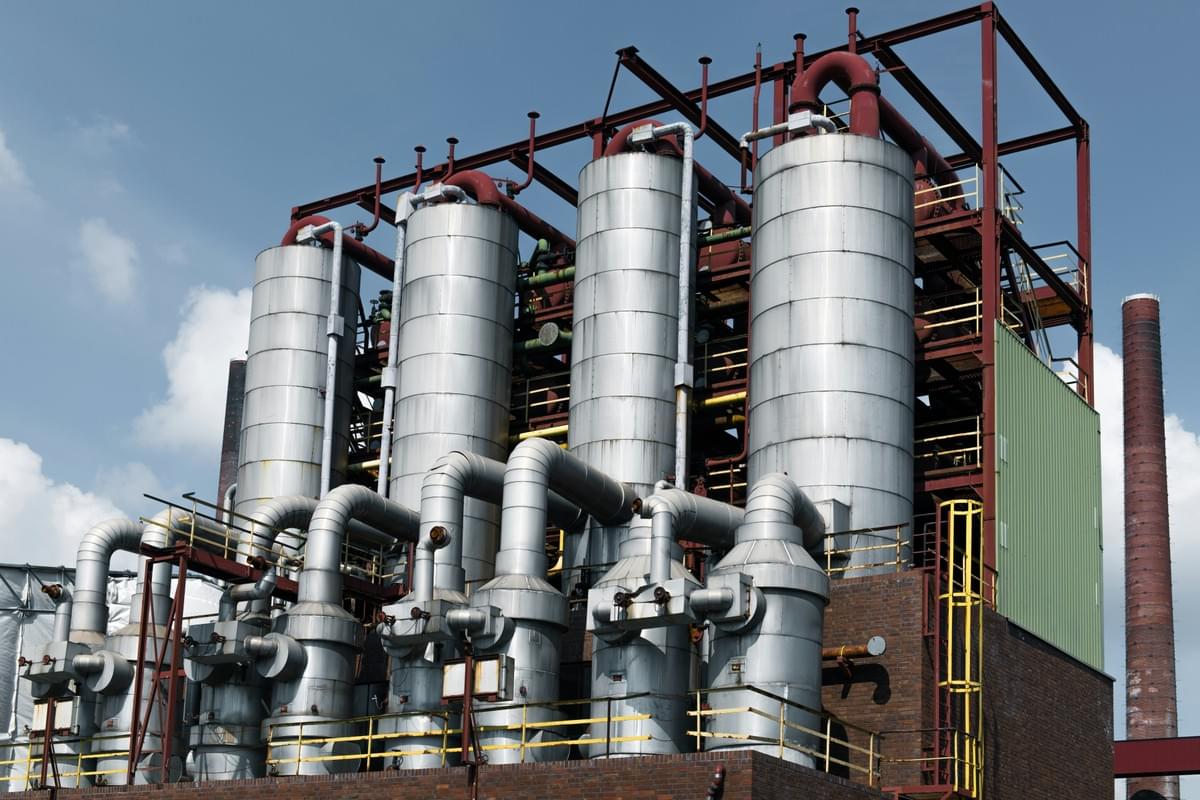
Cyclone separators are a fascinating and efficient solution for dust collection in various industries. These devices leverage centrifugal force to separate particles from air or other gases, making them an essential tool for maintaining clean environments. Understanding how they function and their advantages over other methods can significantly enhance your dust management strategy.
What is a Cyclone Separator?
A cyclone separator is a type of centrifugal dust separator that uses the principles of centrifugal force to remove particulates from an airstream. It operates without any moving parts, relying solely on airflow dynamics to achieve separation. This makes it not only efficient but also low-maintenance compared to traditional dust collection systems.
In essence, the cyclone separator captures dust and debris by spinning the incoming air at high speeds within a cylindrical chamber. The design allows heavier particles to be flung outward against the walls, where they then fall into a collection bin or hopper below. Thus, the cyclone separator effectively cleans the air while minimizing operational complexities.
How do Cyclone Separators Work?
So, how do cyclone separators work? The process begins with air entering through a tangential inlet, creating a swirling flow mechanism that generates strong centrifugal forces within the chamber. As the air spins around, lighter particles are carried along with it while heavier particles are forced outward due to their mass.
The swirling motion causes these heavier particles to collide with the walls of the separator and drop down into a collection container due to gravity. Meanwhile, cleaner air exits through an outlet at the top of the chamber. This efficient separation process is what sets cyclone separators apart in discussions about cyclone separator vs. other dust collection methods.
Centrifugal Force and Particle Separation
Centrifugal force plays a pivotal role in particle separation within cyclone separators; it’s what makes these devices so effective at capturing even fine dust particles from industrial emissions or workshop environments. As air enters through its tangential inlet, it spins rapidly inside the cylinder due to this force—pushing heavier particles outward while allowing lighter ones to flow towards the center and exit as clean air.
This unique method of using centrifugal force not only enhances efficiency but also reduces energy consumption compared to other dust collection methods that may rely on filters or mechanical means for separation. Consequently, businesses can enjoy lower operating costs alongside improved operational effectiveness when utilizing centrifugal dust separators like cyclones.
The innovative design of these devices highlights their importance in modern industrial applications where maintaining air quality is crucial for both worker safety and regulatory compliance.
Cyclone Separator vs. Other Dust Collection Methods
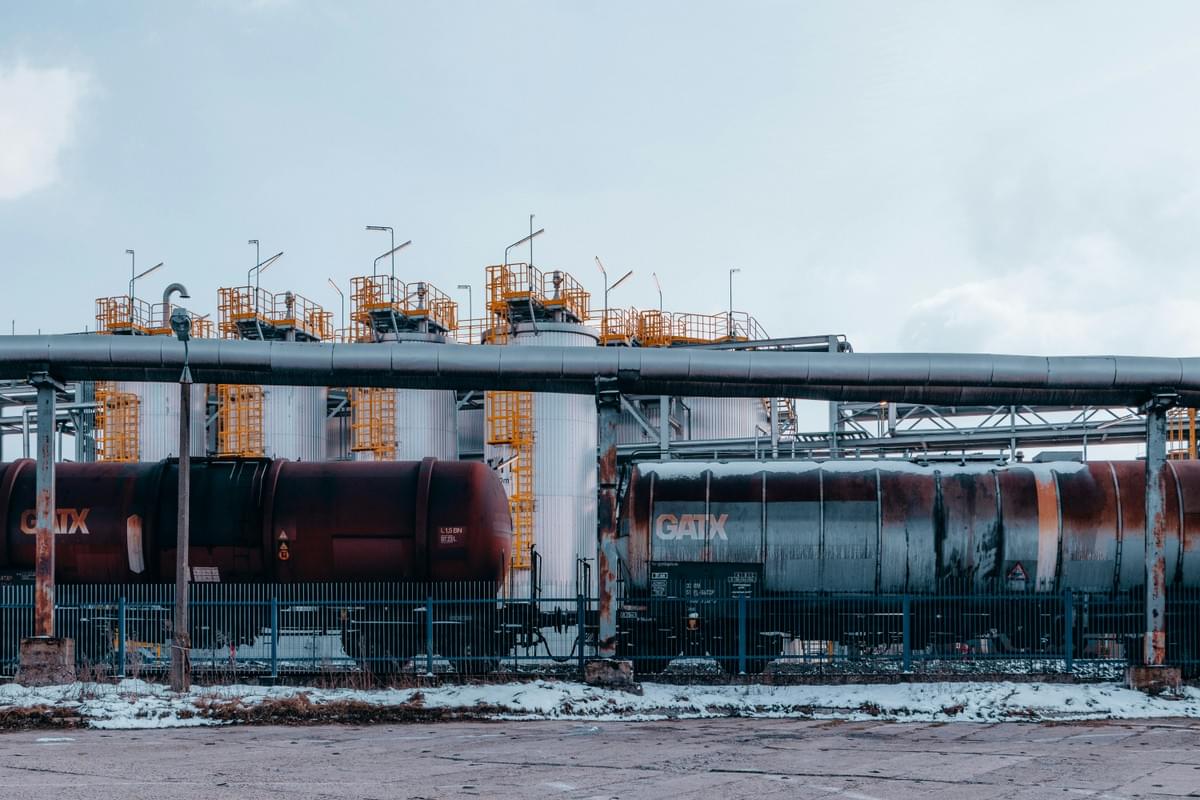
When it comes to dust collection in industrial settings, the debate often boils down to efficiency and effectiveness. A centrifugal dust separator, specifically a cyclone separator, stands out among various methods due to its unique design and operational principles. By leveraging centrifugal force and particle separation techniques, cyclone separators can outperform traditional dust collection methods in many scenarios.
Comparing Efficiency and Effectiveness
Efficiency is paramount when selecting a dust collection system, and this is where cyclone separators shine. What is a cyclone separator? It’s an ingenious device that uses a tangential inlet to create a swirling flow mechanism, effectively separating dust particles from the air stream with minimal energy consumption. Compared to bag filters or electrostatic precipitators, cyclone separators provide a more streamlined process for handling large volumes of particulate matter without clogging or requiring frequent maintenance.
Effectiveness also plays a crucial role in determining the right method for your needs. Cyclone separators can achieve high separation efficiencies across a wide range of particle sizes, making them versatile for various applications—from woodworking shops to metal fabrication facilities. In contrast, other systems may struggle with specific types of particles or require additional equipment for optimal performance.
Cost Analysis of Different Methods
When diving into the cost analysis of different dust collection methods, initial investment and operational expenses are key factors to consider. While centrifugal dust separators like cyclone separators might have higher upfront costs compared to simpler systems like fabric filters, their long-term savings often outweigh these initial expenses. This is primarily due to lower maintenance costs and reduced downtime associated with clogging issues that plague other methods.
Moreover, the energy efficiency of cyclone separators contributes significantly to cost-effectiveness over time. How do cyclone separators work? By utilizing centrifugal force effectively, they require less energy than many alternatives while maintaining high performance levels—meaning lower utility bills for businesses relying on these systems day in and day out.
Long-Term Reliability and Maintenance
Long-term reliability is another critical aspect where cyclone separators excel compared to other dust collection methods. With fewer moving parts than mechanical collectors or complex filtration systems, what is a cyclone separator's secret? Its robust design minimizes wear-and-tear while ensuring consistent performance over extended periods without frequent interruptions for maintenance.
The ease of maintenance associated with centrifugal dust separators also gives them an edge over their competitors in the market. Unlike baghouses that require regular filter replacements or cleaning cycles that can halt production lines momentarily, cyclones simply need periodic inspections and occasional clean-outs—making them ideal for busy industrial environments aiming for maximum uptime.
The Mechanics of Particle Separation
Understanding the mechanics behind particle separation is crucial to appreciating how effective a centrifugal dust separator can be. At the heart of this process lies the tangential inlet and swirling flow mechanism, which work in tandem to create an environment where dust particles can be efficiently separated from the air stream. By harnessing centrifugal force, cyclone separators provide a robust solution for various industrial applications.
Tangential Inlet and Swirling Flow Mechanism
So, what is a cyclone separator? It’s more than just a fancy name; it’s an engineering marvel that employs a tangential inlet design to initiate swirling airflow within its cylindrical body. This unique configuration allows air laden with dust to enter at high velocity, generating a vortex effect that propels heavier particles outward against the wall of the separator. As these particles lose momentum due to centrifugal force, they are separated from the cleaner air that spirals upward and exits through the top.
This swirling flow mechanism is not just for show; it maximizes efficiency in particle separation by ensuring that even fine dust particles get caught in the action. The design minimizes turbulence and promotes consistent airflow patterns, making it preferable when comparing cyclone separator vs. other dust collection methods. Ultimately, this results in cleaner air being released back into your workspace or environment.
Role of Airflow in Dust Collection
Airflow plays a pivotal role in how do cyclone separators work effectively as dust collectors. The speed and direction of airflow determine how well particles are entrained and subsequently separated from clean air streams. A well-designed centrifugal dust separator utilizes optimal airflow rates to ensure maximum capture efficiency while minimizing energy consumption—a win-win for both operational costs and environmental impact.
Moreover, maintaining steady airflow is essential for achieving consistent performance over time; fluctuations can lead to decreased separation efficiency or even system overloads. This relationship between airflow dynamics and particle separation underscores why investing in advanced designs matters significantly when considering long-term reliability compared with traditional methods like bag filters or electrostatic precipitators.
Impact on Air Quality in Industrial Settings
The impact of effective particle separation on air quality cannot be overstated—especially in industrial settings where airborne contaminants pose health risks to workers and affect overall operational efficiency. Utilizing a centrifugal dust separator not only ensures compliance with safety regulations but also contributes positively toward creating healthier work environments by reducing hazardous particulate matter levels.
Furthermore, improved air quality directly correlates with enhanced productivity among employees; fewer respiratory issues mean less downtime due to illness or fatigue caused by poor working conditions! Thus, when evaluating options like cyclone separator vs. other dust collection methods, it's evident that investing in efficient systems yields benefits far beyond mere compliance—it fosters an atmosphere conducive to success!
Case Studies: Success Stories with NAROO

NAROO has made significant strides in the field of dust collection, particularly with their innovative centrifugal dust separator technologies. These advancements have been instrumental in various industries, showcasing the effectiveness of cyclone separators in real-world applications. By examining specific case studies, we can appreciate how NAROO's solutions have revolutionized dust management and improved operational efficiency.
NAROO's Implementation in the Automotive Industry
In the automotive industry, where precision and cleanliness are paramount, NAROO's implementation of cyclone separators has proven invaluable. The question What is a Cyclone Separator? often arises among manufacturers looking for efficient dust collection methods. By integrating centrifugal dust separators into their production lines, automotive companies have significantly reduced airborne particulate matter while maintaining high production standards.
NAROO’s centrifugal force and particle separation technology ensures that even the smallest particles are effectively captured before they can contaminate sensitive components or compromise worker safety. This implementation not only enhances productivity but also aligns with stringent environmental regulations that govern industrial operations today. As a result, many automotive manufacturers have reported lower maintenance costs and longer equipment lifespan due to cleaner operational environments.
Achievements with CATL and BYD
NAROO's partnership with leading battery manufacturers like CATL and BYD highlights its commitment to excellence in dust collection solutions. These companies faced challenges related to fine particulate matter generated during battery production processes—challenges that were efficiently addressed through advanced cyclone separator technology. The integration of these systems allowed for superior airflow management through a tangential inlet and swirling flow mechanism, optimizing particle separation efficiency.
The achievements realized by CATL and BYD demonstrate how effective a centrifugal dust separator can be when tailored to specific industrial needs. With reduced downtime from cleaning processes and enhanced air quality within their facilities, both companies have experienced improved worker satisfaction alongside increased productivity levels. This success story illustrates how NAROO is at the forefront of transforming industries through innovative approaches to dust management.
How NAROO Innovations Improve Safety
Safety is non-negotiable in any industrial setting, especially when handling materials prone to generating hazardous dust particles. NAROO’s innovations in cyclone separators directly contribute to creating safer work environments by minimizing exposure to harmful substances through effective dust collection strategies. Understanding How do Cyclone Separators Work? helps stakeholders appreciate how these systems use centrifugal force for efficient particle separation while maintaining optimal airflow.
With a focus on long-term reliability and low maintenance requirements—key aspects highlighted in discussions around Cyclone Separator vs. Other Dust Collection Methods—NAROO’s solutions ensure that safety remains a top priority without sacrificing operational efficiency or increasing costs significantly. As industries evolve towards stricter health standards, NAROO’s advancements will undoubtedly play a crucial role in shaping safer workplaces across various sectors.
Future Trends in Dust Collection Technology

As industries evolve, so do the technologies that help them operate efficiently and safely. One of the most promising areas is the advancement of centrifugal dust separators, which are becoming increasingly sophisticated. These innovations not only enhance performance but also address environmental concerns, making them essential tools for modern industrial settings.
Advances in Centrifugal Dust Separator Design
Recent developments in centrifugal dust separator design focus on optimizing airflow and enhancing particle separation efficiency. By refining the tangential inlet and swirling flow mechanism, manufacturers are able to create systems that maximize centrifugal force and particle separation capabilities. This means that businesses can expect improved dust collection rates while minimizing energy consumption—an essential consideration in today’s eco-conscious market.
Moreover, newer designs incorporate modular components that allow for easy upgrades and maintenance. This adaptability ensures that companies can keep pace with evolving industry standards without needing to replace entire systems. As a result, understanding What is a Cyclone Separator? has never been more critical for organizations looking to invest wisely in their dust collection methods.
Integration of Smart Technology
The integration of smart technology into dust collection systems is another exciting trend on the horizon. By leveraging IoT devices and machine learning algorithms, businesses can monitor the performance of their centrifugal dust separators in real-time. This capability allows for predictive maintenance, ensuring that any potential issues are addressed before they lead to costly downtime.
Additionally, smart technology enhances data collection regarding air quality and operational efficiency within industrial settings. This information not only aids compliance with environmental regulations but also helps companies understand how their cyclone separator stacks up against other dust collection methods. As industries demand more from their equipment, this shift towards smarter solutions will redefine how we view efficiency in particle separation processes.
Sustainability in Dust Removal Solutions
Sustainability is no longer just a buzzword; it’s an imperative for modern businesses striving to reduce their ecological footprint. The future of dust removal solutions lies heavily in developing systems that use less energy while being highly effective at capturing harmful particles from the air through advanced cyclone separators. Companies are investing in research aimed at creating biodegradable or recyclable materials for these separators to further minimize waste.
Moreover, as industries become more aware of their impact on air quality, there’s increasing pressure to adopt technologies like centrifugal force systems that excel at removing particulate matter without releasing harmful emissions back into the environment. Understanding Cyclone Separator vs. Other Dust Collection Methods becomes crucial here as industries seek sustainable alternatives with long-term benefits both economically and environmentally.
In summary, advancements in centrifugal dust separator design combined with smart technology integration and sustainability initiatives will shape the future landscape of industrial dust collection solutions significantly.
Conclusion

In wrapping up our exploration of cyclone separators, it’s clear that these devices play a crucial role in effective dust collection across various industries. By utilizing the principles of centrifugal force and particle separation, they efficiently extract dust and debris from the air, improving overall air quality. Understanding What is a Cyclone Separator? and how it operates can help businesses make informed decisions about their dust management strategies.
Key Takeaways on Cyclone Separators
Cyclone separators are designed to harness centrifugal force for efficient particle separation, making them a popular choice in many industrial settings. The tangential inlet and swirling flow mechanism enable these devices to capture even the finest particles while minimizing energy consumption. By comparing Cyclone Separator vs. Other Dust Collection Methods, it's evident that cyclone separators offer superior efficiency, effectiveness, and long-term reliability.
The Future of Industrial Dust Collection
The future of industrial dust collection is bright, with advances in centrifugal dust separator design leading the charge. Innovations such as smart technology integration promise to enhance performance further while ensuring sustainability in dust removal solutions remains a priority for manufacturers. As industries evolve, embracing these advancements will be key to maintaining cleaner environments and meeting regulatory standards.
Why Choose NAROO for Your Dust Removal Needs
When it comes to selecting a partner for your dust removal needs, NAROO stands out as an industry leader with proven success stories across various sectors, including automotive giants like CATL and BYD. Their commitment to innovation ensures that you benefit from cutting-edge designs and technologies in centrifugal dust separators tailored for your specific applications. Choosing NAROO means investing in reliable solutions that not only enhance safety but also contribute positively to air quality.