

Introduction

In today’s fast-paced industrial landscape, maintaining a clean environment is more crucial than ever. The importance of clean dust control cannot be overstated, as it directly impacts both employee health and operational efficiency. A well-implemented dust control system not only enhances workplace safety but also ensures compliance with stringent environmental regulations.
Importance of Clean Dust Control
Clean dust management plays a vital role in safeguarding the health and well-being of workers across various industries. Excessive dust can lead to respiratory issues, reduced productivity, and increased absenteeism due to illness. By prioritizing clean dust control measures, companies can foster a healthier work environment while simultaneously boosting morale and job satisfaction among employees.
Challenges in Dust Management
Despite its importance, effective dust management presents numerous challenges for organizations striving to maintain a clean atmosphere. Factors such as varying types of dust particles, fluctuating environmental conditions, and the complexity of industrial processes complicate efforts to build an efficient dust collection system. Additionally, inadequate training or awareness regarding effective dust suppression systems can further hinder successful implementation.
Overview of Dust Control Systems
Dust control systems are designed to mitigate the adverse effects of airborne particles in various settings. These systems encompass a range of technologies aimed at capturing or suppressing dust air before it becomes a hazard. From simple mechanical filters to sophisticated automated solutions, understanding the different types available is essential for any organization looking to build clean dust control systems tailored to their specific needs.
Understanding Dust Control Systems

Dust control systems are essential tools designed to manage airborne dust particles in various environments, particularly industrial and construction settings. These systems aim to minimize dust emissions, ensuring a cleaner atmosphere and promoting healthier working conditions. By understanding how these systems operate, businesses can effectively build clean dust control systems tailored to their specific needs.
What is a Dust Control System?
A dust control system is a comprehensive solution aimed at reducing the presence of airborne dust in a designated area. It typically includes various components such as air filtration units, misting systems, and vacuum collection devices that work together to suppress dust particles effectively. When businesses invest in a robust dust control system, they not only enhance the quality of the air but also contribute positively to employee health and productivity.
Types of Dust Suppression Systems
There are several types of dust suppression systems available, each designed for different applications and environments. Some common types include water spray systems, chemical suppressants, and vacuum-based solutions that capture particles directly at the source. Choosing the right type of system is crucial for effectively managing dust levels; therefore, it's important to assess your specific needs before deciding how to build a dust collection system.
The Role of Dust Air Quality
Dust air quality plays a pivotal role in determining workplace safety and overall environmental health. High levels of airborne dust can lead to respiratory issues among employees and can even compromise product integrity in manufacturing settings. By implementing effective dust control measures through advanced suppression systems, organizations can significantly improve their air quality while adhering to regulatory standards—ultimately fostering a safer workplace environment.
Benefits of Installing a Dust Control System

Installing a dust control system is no longer just a luxury; it’s a necessity for any modern workspace. The benefits extend beyond mere aesthetics; they encompass safety, product integrity, and compliance with regulations. By investing in these systems, businesses can build clean dust control systems that promote healthier environments.
Enhanced Workplace Safety
One of the most significant advantages of implementing a dust control system is enhanced workplace safety. Dust particles can pose serious health risks to employees, leading to respiratory issues and decreased productivity. By effectively managing dust air through suppression systems, companies can create a safer atmosphere where workers feel secure and valued.
Moreover, cleaner workspaces reduce the likelihood of accidents caused by slippery surfaces or visibility issues due to excessive dust. When you build a dust collection system tailored to your specific needs, you not only protect your workforce but also foster a culture of safety that resonates throughout the organization. Ultimately, prioritizing workplace safety translates into lower insurance costs and higher employee morale.
Improved Product Quality
Another compelling reason to invest in dust control is the improvement in product quality it brings along. Dust contamination can lead to defects and inconsistencies in products, which ultimately affects customer satisfaction and brand reputation. By integrating effective dust suppression systems into production processes, businesses ensure that their products are manufactured in clean environments free from harmful particulates.
When you build clean dust control systems tailored for specific industries—be it manufacturing or food processing—you’re directly enhancing the quality of your output. This not only boosts customer loyalty but also positions your brand as one committed to excellence and reliability in its offerings. In an increasingly competitive market, maintaining high-quality standards is essential for sustaining growth.
Compliance with Environmental Regulations
Compliance with environmental regulations is another critical benefit of installing an effective dust control system. Many industries face stringent guidelines aimed at reducing airborne pollutants and protecting public health; failing to adhere can result in hefty fines or even shutdowns. A well-designed dust collection system helps organizations meet these legal requirements while demonstrating their commitment to environmental stewardship.
By actively managing dust air through reliable suppression methods, companies not only avoid penalties but also contribute positively to their communities’ overall air quality. This proactive approach not only enhances corporate image but also attracts eco-conscious consumers who prefer businesses aligned with sustainable practices. Thus, building clean dust control systems becomes not just an operational necessity but also a powerful marketing tool.
Building an Effective Dust Collection System

Creating a clean dust control system is essential for any workspace that generates airborne particles. An effective dust collection system not only improves air quality but also enhances safety and productivity. By understanding the key components and steps involved in building a dust collection system, businesses can ensure they are taking proactive measures against dust pollution.
Key Components of a Dust Collection System
To build a clean dust control system, it's crucial to understand its key components. A typical dust collection system comprises several parts: the dust source, ductwork, filters, and a fan or blower to create airflow. Each element plays a vital role in capturing and containing dust particles before they can affect the air quality in your facility.
The dust source is where the particles originate, such as machinery or processes that generate debris. Ductwork transports the collected dust from the source to the filtration system, ensuring efficient movement of airborne materials. Filters are essential for trapping fine particles and maintaining clean air; without them, even the best-designed systems would fail to deliver effective dust suppression.
Steps to Build a Dust Collection System
Building an effective dust collection system requires careful planning and execution. First, assess your workspace to identify potential sources of dust generation; this will guide you in determining what type of system is needed for optimal performance. Next, design your ductwork layout considering factors like airflow direction and distance—this helps ensure that you build a robust clean dust control system capable of addressing all areas.
Once you've mapped out your design, select appropriate filters based on particle sizes you expect to encounter; different materials may require specialized filtration solutions for maximum efficiency. After installation is complete, conduct thorough testing to measure air quality improvements—this will confirm whether your new setup effectively mitigates airborne contaminants as intended.
NAROO’s Innovative Solutions for Dust Control
NAROO offers cutting-edge solutions designed specifically for those looking to build a top-notch dust collection system tailored to their needs. With advanced technology integrated into their products, NAROO ensures that users benefit from superior performance while maintaining compliance with environmental regulations regarding air quality standards. Their systems are engineered not just for efficiency but also with user-friendliness in mind—making it easier than ever to implement an effective clean dust control strategy.
By leveraging NAROO’s expertise in designing state-of-the-art systems, businesses can feel confident about their investment in sustainable operations focused on minimizing airborne pollutants through effective suppression methods. The combination of innovative technology and reliable support empowers organizations striving towards cleaner work environments while enhancing overall productivity across various sectors.
Integrating Technology in Dust Management
In the modern age, integrating technology into dust management is not just a trend; it’s a necessity for maintaining clean dust control systems. As industries evolve, the need for efficient and effective dust suppression systems has never been more critical. Utilizing advanced technologies can significantly enhance the performance of dust control systems, ensuring a cleaner and safer environment.
Smart Sensors for Air Quality Monitoring
Smart sensors are revolutionizing the way we monitor air quality in workplaces that require robust dust control measures. These devices can detect particulate matter levels in real-time, providing valuable data that helps businesses make informed decisions about when to activate their dust suppression systems. By implementing smart sensors, companies can build clean dust control systems that respond dynamically to changing conditions, ensuring optimal performance and compliance with air quality standards.
Moreover, these sensors can be integrated with existing dust collection systems to automate responses based on air quality readings. For instance, if particulate levels exceed predetermined thresholds, the system can automatically kick into action, significantly reducing human error and enhancing safety protocols. With smart sensors at play, organizations not only improve their operational efficiency but also contribute to a healthier work environment by effectively managing dust air pollutants.
Automation in Dust Suppression Systems
Automation is another game-changer in the realm of dust management. Automated dust suppression systems can streamline operations by minimizing manual interventions while maximizing effectiveness in controlling airborne particles. By automating processes such as misting or spraying water-based solutions during high-dust activities, businesses can build a more reliable and efficient dust control system that operates seamlessly.
These automated solutions often come equipped with monitoring capabilities that allow for remote adjustments based on environmental conditions or specific operational needs. This means less downtime and greater adaptability—two crucial factors when striving to maintain clean dust environments across various industries. Additionally, automation reduces labor costs associated with manual monitoring and operation of traditional suppression methods.
Case Studies of Technological Advancements
Examining case studies of technological advancements reveals how companies have successfully implemented innovative solutions to enhance their dust management practices. For example, one manufacturing plant adopted an automated fogging system powered by smart sensors that continuously monitor air quality levels throughout production processes. This integration allowed them to drastically reduce airborne particulates while simultaneously improving compliance with environmental regulations.
Another case involved a construction site utilizing drones equipped with air quality sensors to assess dusty conditions from above before deploying ground-based suppression efforts tailored specifically for those areas needing attention most urgently. These examples illustrate how organizations are leveraging technology not only to build effective clean dust control systems but also to set new industry standards for safety and environmental responsibility.
In conclusion, integrating technology into your approach toward managing airborne particles is essential for creating effective and sustainable solutions in any workplace setting focused on maintaining clean air standards while optimizing productivity through advanced automation strategies.
Maintaining Your Dust Control System
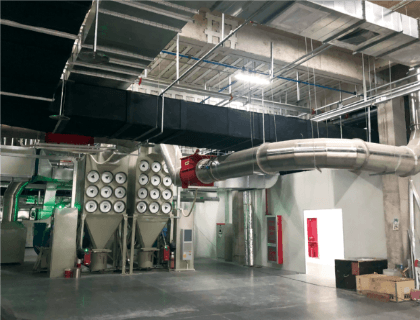
Maintaining your dust control system is crucial for ensuring its efficiency and longevity. A well-maintained system not only helps to build a clean dust control system but also significantly reduces the risks associated with dust accumulation. Regular upkeep can prevent costly breakdowns and ensure compliance with environmental regulations.
Routine Maintenance Checklist
To keep your dust control system running smoothly, a routine maintenance checklist is essential. Start by inspecting the filters; they should be cleaned or replaced regularly to maintain optimal airflow and dust air quality. Additionally, check all seals and connections for leaks, as even minor gaps can lead to significant reductions in the effectiveness of dust suppression systems.
Next, evaluate the performance of fans and blowers within your dust collection system; they should operate without unusual noise or vibration. Don’t forget to clear any blockages in ducts or hoses that could hinder airflow and cause inefficiencies in your clean dust management efforts. Finally, document all maintenance activities to track performance trends over time, making it easier to identify when it's time for upgrades or replacements.
Troubleshooting Common Issues
Despite regular maintenance, issues can still arise with your dust control system that may require troubleshooting. One common problem is reduced suction power; this could indicate clogged filters or blocked ducts that need immediate attention to maintain effective dust suppression systems. If you notice an increase in visible dust levels despite proper operation, it might be time to reassess the setup of your dust collection system.
Another frequent issue is unusual noises coming from fans or motors, which can signal wear and tear that needs addressing before it escalates into a more significant failure. Additionally, if there are fluctuations in air quality readings, checking sensor calibrations may help you pinpoint issues affecting overall performance in controlling airborne particulates. Being proactive about these common issues will help you maintain a clean environment while ensuring compliance with safety standards.
The Importance of Professional Support
While DIY maintenance can go a long way in keeping your clean dust control system operational, professional support is invaluable when tackling complex problems or implementing upgrades. Experts understand the intricacies of different types of dust suppression systems and can provide insights on how best to build a dust collection system tailored to your specific needs. Their experience ensures that any adjustments made will enhance functionality without compromising safety.
Moreover, professional technicians are equipped with advanced tools and technology for diagnosing problems accurately—something that might be challenging for non-specialists attempting troubleshooting on their own. They also stay updated on industry regulations regarding air quality standards so you can rest assured you're compliant while focusing on what you do best: running your business efficiently.
In summary, maintaining an effective dust control system involves routine checks, prompt troubleshooting of common issues, and knowing when to seek professional assistance—ensuring that every effort contributes toward building a cleaner work environment for everyone involved.
Conclusion
In the quest for a cleaner and safer work environment, effective dust control systems have become more crucial than ever. As industries evolve, so do the technologies and methods we use to manage dust air quality and ensure compliance with regulations. By understanding future trends in dust control technology, businesses can better prepare to meet both current and future challenges in dust management.
Future Trends in Dust Control Technology
The landscape of dust suppression systems is rapidly changing with advancements in technology. Expect to see increased integration of smart sensors that monitor air quality in real-time, allowing for proactive adjustments to dust control systems as needed. Furthermore, innovations such as automated dust suppression systems will streamline operations, making it easier than ever to build a dust collection system that meets specific industry needs.
The Role of NAROO in Environmental Solutions
NAROO is at the forefront of providing innovative solutions for clean dust management practices. Their commitment to developing cutting-edge technologies not only helps companies build clean dust control systems but also emphasizes sustainability and environmental responsibility. By partnering with NAROO, organizations can enhance their operational efficiency while contributing positively to environmental solutions.
Taking Action for a Cleaner Workplace
To truly make strides toward a cleaner workplace, businesses must take action by investing in effective dust control measures today. This means not just implementing existing solutions but also exploring new technologies that improve air quality and worker safety while ensuring compliance with regulations. Building an efficient dust collection system is essential; it’s time to prioritize clean air initiatives for the benefit of employees and the environment alike.