

Introduction

In today’s world, where dust and allergens seem to have a knack for infiltrating every nook and cranny of our homes, understanding dust air filtration systems becomes essential. These systems are designed not only to purify the air we breathe but also to enhance our overall well-being. With a plethora of options available, selecting the right air purifier can feel overwhelming; however, knowing what to look for can simplify the process.
Understanding Dust Air Filtration Systems
Dust air filtration systems work by trapping harmful particles present in indoor air, including dust, pollen, and pet dander. The heart of many effective air cleaners is the HEPA filter, renowned for its ability to capture up to 99.97% of particles as small as 0.3 microns. By investing in an air purifier with HEPA filtration, you ensure that your living space remains free from irritating pollutants that could affect your health.
Importance of Effective Air Purification
Effective air purification is crucial for maintaining optimal indoor air quality and safeguarding your health against respiratory issues caused by airborne contaminants. Poorly filtered air can exacerbate allergies and asthma symptoms while contributing to overall discomfort in your home or office environment. Therefore, choosing a reliable dust air filtration system is not just about comfort; it’s about creating a healthier living space.
How to Choose the Right System
Choosing the right system involves considering factors such as room size, filter efficiency, and additional features like noise levels and smart technology integration. For instance, an air cleaner with HEPA filter capabilities will provide superior purification compared to standard filters; thus, it’s essential to prioritize this feature when shopping around. Additionally, understanding your specific needs—whether you require a portable option or a fixed installation—will guide you toward the ideal solution for effective dust air filtration.
Efficiency of HEPA Filtration

When it comes to dust air filtration systems, the efficiency of HEPA (High-Efficiency Particulate Air) filters is often the gold standard. These filters are designed to capture a staggering 99.97% of particles that are 0.3 microns in size or larger, which includes common household dust, pollen, pet dander, and even some bacteria and viruses. This remarkable capability makes air purifiers with HEPA filtration an essential tool for maintaining clean indoor air quality.
What HEPA Filters Can Capture
HEPA filters excel at trapping a variety of airborne pollutants, ensuring that your living space remains free from unwanted particles. They can capture allergens such as dust mites and mold spores, making them ideal for those with allergies or asthma. Additionally, these filters can also trap smoke particles and fine dust that other types of air cleaners might miss—making them indispensable in a comprehensive dust air filtration system.
Benefits of Air Purifier with HEPA Filtration
Investing in an air purifier with HEPA filtration offers numerous benefits beyond just cleaner air; it can significantly improve your overall well-being too! First off, reduced allergens lead to fewer allergy attacks and respiratory issues, allowing you to breathe easier at home or in the office. Moreover, these purifiers operate quietly while efficiently filtering out harmful contaminants—perfect for maintaining a peaceful environment without compromising on air quality.
Comparing Various HEPA Filters on the Market
When shopping for an air cleaner with a HEPA filter, it's crucial to compare different models to find the right fit for your needs. Not all HEPA filters are created equal; some may be more effective than others based on their design and materials used in construction. Look out for features like activated carbon layers or pre-filters that enhance overall performance—these added elements can make a significant difference in how effectively your dust air filtration system operates over time.
Dust Air Filtration System Size
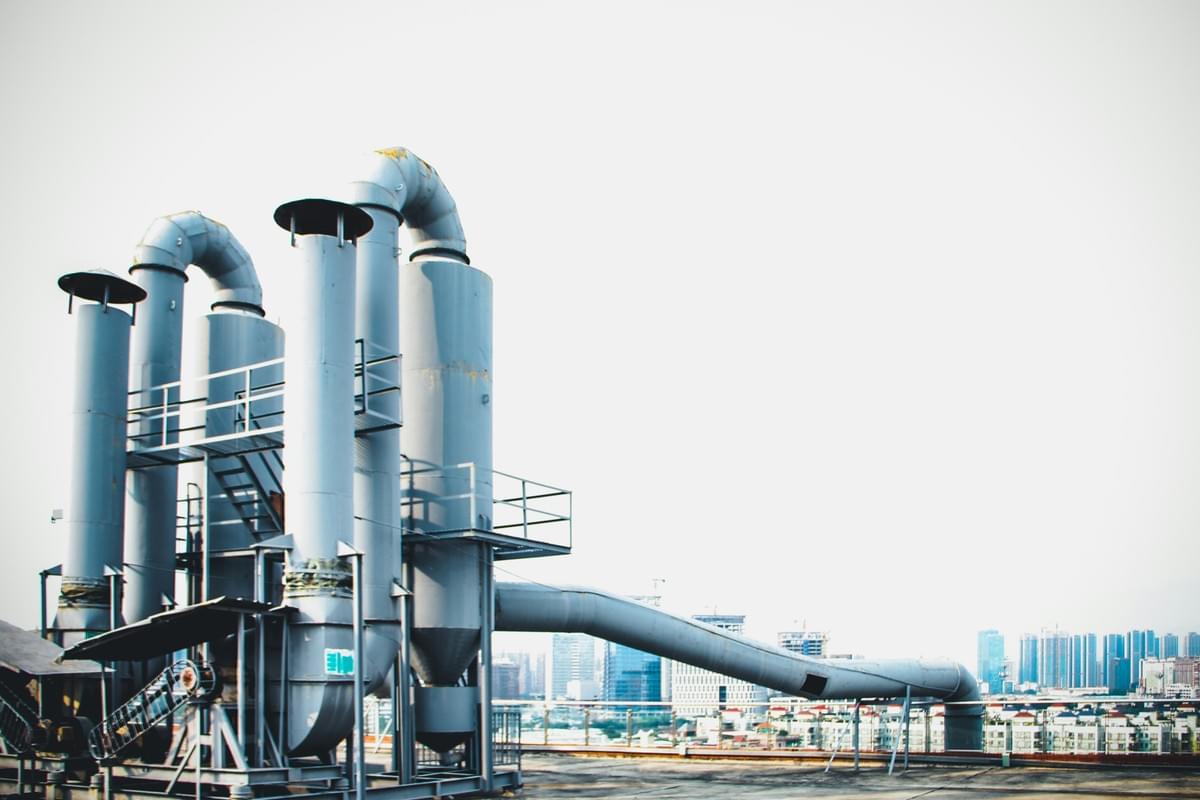
Choosing the right size for your dust air filtration system is crucial in ensuring optimal air quality in your space. An air purifier that’s too small may struggle to filter out dust effectively, while one that’s excessively large can be overkill, leading to wasted energy and resources. Understanding the dimensions of your area and the specific needs of your environment will guide you toward selecting an appropriate air cleaner with HEPA filter capabilities.
Finding the Right Fit for Your Space
Most manufacturers provide specifications on how much area their air purifiers can effectively cover, so be sure to match these stats with your room size. Additionally, consider factors like ceiling height and room layout; a compact space might require a more powerful unit despite its smaller footprint.
Impact on Air Quality Based on Size
The size of your air purifier with HEPA filtration directly influences its efficiency in removing airborne particles such as dust and allergens. A correctly sized unit will circulate and purify the air multiple times per hour, significantly improving indoor air quality by reducing pollutants. Conversely, an undersized unit can lead to stagnant areas where dust accumulates, undermining its intended purpose.
Portable Options Versus Fixed Installations
Deciding between portable options or fixed installations for your dust air filtration system depends on both lifestyle and needs. Portable air purifiers are versatile and can easily be moved from room to room, making them ideal for those who want flexibility without commitment. On the other hand, fixed installations are often more powerful and suited for larger spaces or homes requiring continuous high-level HEPA air purification throughout.
Noise Levels and Operation

A quiet air cleaner is essential, especially if you plan to use it in bedrooms or workspaces where concentration is key. Look for models specifically designed for low noise operation, often marketed as “whisper-quiet” or “silent,” to ensure that your air purifier with HEPA filtration doesn’t disrupt your daily activities.
Selecting a Quiet Air Cleaner
Choosing an air cleaner with HEPA filter technology doesn’t mean you have to sacrifice peace and quiet. Many modern air purifiers are engineered with sound-dampening features that minimize operational noise while still delivering effective HEPA air purification. When shopping around, check product specifications for decibel ratings; lower numbers indicate quieter operation, making it easier to find an air purifier that fits seamlessly into your environment.
Comparing Noise Levels of Popular Models
To help you navigate the sea of options available, comparing noise levels of popular models is crucial. Some top-rated dust air filtration systems boast impressive performance metrics while maintaining low decibel levels—often below 30 dB on their lowest settings. Brands like Coway and Dyson have made a name for themselves by providing both powerful HEPA filtration and whisper-quiet functionality, ensuring that you can breathe easy without the distraction of loud machinery.
Importance of Silent Operation for Home and Office
Silent operation is not just a luxury; it's a necessity for many households and workplaces relying on effective air filtration systems. In homes where families gather or offices buzzing with creativity thrive, disruptive noises can hinder productivity and relaxation alike. An efficient dust air filtration system should enhance the ambiance rather than detract from it—so investing in an air purifier with HEPA filtration that operates quietly will pay off in terms of comfort and well-being.
Maintenance and Upkeep

Filters are the heart of any air purifier, and their performance diminishes over time as they capture dust, allergens, and other pollutants. Regularly checking and replacing these filters ensures that your air cleaner with HEPA filter operates at peak efficiency, keeping your indoor environment fresh and clean.
Understanding Filter Replacement Needs
Most manufacturers recommend replacing HEPA filters every 6 to 12 months, but this can vary based on usage and environmental factors. If you live in a dusty area or have pets, you might find yourself swapping out filters more frequently to maintain optimal performance from your air purifier with HEPA filtration. Ignoring filter replacements can lead to reduced airflow and decreased efficiency in capturing airborne particles, which defeats the purpose of investing in a quality dust air filtration system.
Long-term Costs of Air Purifiers
While the initial purchase price of an air purifier may seem reasonable, it's essential to factor in long-term costs associated with maintenance. Over time, expenses for filter replacements can add up significantly—especially if you're using a high-quality HEPA air purification system that requires specific filters. Additionally, consider energy costs; some models are more efficient than others at cleaning the air while consuming less power, making them a better long-term investment for maintaining clean indoor air.
Tips for Maintaining Your Air Filtration System
To keep your dust air filtration system running smoothly, regular maintenance is key. Start by creating a schedule for checking filters—mark it on your calendar or set reminders on your phone so you won't forget! Additionally, vacuuming or cleaning the exterior of your air purifier can prevent dust buildup that might obstruct airflow; this simple task goes a long way toward ensuring efficient operation of your beloved air cleaner with HEPA filter.
Technology and Features

In today's tech-savvy world, air purification has evolved beyond simple filters; modern dust air filtration systems are equipped with smart features that enhance their functionality and user experience. These innovations not only improve air quality but also make it easier for users to monitor and manage their indoor environment. Embracing these technologies can significantly elevate your air purifier's performance, ensuring you breathe cleaner, fresher air.
Smart Features in Modern Air Purifiers
Smart features in air purifiers are revolutionizing how we approach indoor air quality. Many models now offer Wi-Fi connectivity, allowing you to control your dust air filtration system remotely via smartphone apps or smart home devices.
Additionally, some advanced air cleaners come with scheduling functions that let you set specific times for operation based on your routine. Imagine coming home to a perfectly purified space without lifting a finger! With these smart innovations, an air purifier with HEPA filtration becomes more than just a device; it transforms into an integral part of your living environment.
Benefits of Integrated Air Quality Sensors
Integrated air quality sensors are another game-changer in the realm of dust air filtration systems. These sensors continuously monitor the levels of pollutants in your indoor environment and automatically adjust the purifier's settings accordingly—talk about smart technology! By providing real-time feedback on particulate matter and other contaminants, these sensors ensure that your space remains consistently clean.
Moreover, having an accurate readout of your indoor air quality helps you understand how different activities impact pollution levels—like cooking or cleaning—and allows you to take proactive measures to improve conditions. Ultimately, an air purifier with HEPA filtration equipped with integrated sensors provides peace of mind knowing that you're always breathing the best possible air.
Innovations by NAROO in Air Filtration
NAROO is leading the charge when it comes to cutting-edge innovations in dust air filtration systems. Their latest models feature advanced HEPA technology designed not only to capture larger particles but also to target ultra-fine pollutants that often go unnoticed by standard filters. With NAROO’s focus on efficiency and effectiveness, users can enjoy superior HEPA air purification tailored for modern needs.
Furthermore, NAROO has introduced eco-friendly materials into their designs without compromising performance—making them a sustainable choice for environmentally conscious consumers seeking effective solutions against airborne pollutants. Coupled with intuitive controls and sleek designs, NAROO's offerings make them a standout option among contemporary options available today.
Conclusion
In the quest for cleaner air, understanding the nuances of dust air filtration systems is crucial. Whether you’re navigating through the options of an air purifier with HEPA filtration or simply seeking an effective air cleaner, making an informed choice can significantly enhance your indoor environment. Remember, a well-chosen air purifier not only improves air quality but also contributes to overall health and wellbeing.
Key Takeaways for Buying an Air Purifier
When selecting an air purifier, prioritize models equipped with HEPA filters for optimal dust capture and purification. Look for units that fit your space effectively; a dust air filtration system that’s too small won’t do its job efficiently, while one that’s too large may be overkill. Lastly, consider noise levels and maintenance requirements to ensure you choose a model that fits seamlessly into your lifestyle.
Importance of Choosing the Right Features
Choosing the right features in your air cleaner with HEPA filter can make all the difference in performance and usability. Smart features such as integrated sensors can provide real-time feedback on air quality, allowing you to adjust settings as needed for maximum efficiency. Additionally, consider energy consumption and design aesthetics—an efficient yet stylish unit will enhance both your space and your health.
Future Trends in Dust Air Filtration Systems
The future of dust air filtration systems looks promising with advancements in technology paving the way for smarter solutions. Expect innovations like AI-driven purification processes and enhanced connectivity options that allow users to monitor their indoor air quality remotely via apps or smart home systems. As awareness around indoor pollution grows, manufacturers will likely continue developing products that not only meet but exceed current standards of HEPA air purification.