

Introduction

Understanding Dust Collection Needs
Every woodworking project generates a unique amount of dust, making it essential to assess your specific requirements before diving into the world of dust collectors. From fine sawdust to larger wood chips, each type of debris necessitates different handling capabilities. By understanding what you need to collect and how much you'll generate, you can make informed decisions about which type of system will work best for you.
Importance of Choosing the Right Size
Choosing the right size for your dust collector is crucial; an undersized unit won't effectively manage the volume of wood particles produced during operations, leading to health risks and an unclean workspace. On the other hand, an oversized system can be inefficient and costly in terms of energy consumption and maintenance. Utilizing a dust collector CFM chart will help you determine the optimal size based on airflow requirements tailored to your specific setup.
Overview of Dust Collector Options
There are several types of dust collectors available on the market today, each with its own set of benefits and drawbacks. Cyclone dust collectors stand out for their efficiency in separating heavier particles before they reach filters, while bag filters are often more compact and easier to maintain in smaller workshops. Exploring different shop dust collection systems will enable you to find one that suits both your space and budget while ensuring effective management of collected debris.
Evaluating Your Dust Collection Requirements

A well-planned setup not only keeps your workspace tidy but also promotes better air quality, allowing you to focus on crafting without the distraction of airborne particulates. By assessing your specific projects and needs, you can ensure that you select the best dust collector for your shop.
Assessing Your Woodworking Projects
The first step in evaluating your dust collection needs is to take a close look at the types of woodworking projects you typically undertake. Different tools generate varying amounts of dust; for instance, table saws and routers can produce significant debris compared to hand tools. Knowing what equipment you use will help you choose a suitable woodworking dust collector that can handle the volume and type of particles generated in your shop.
Consideration should also be given to the frequency and scale of your projects. If you're working on larger pieces or using heavy machinery frequently, you'll need a more robust system—perhaps even a cyclone dust collector—to manage the increased output effectively. Ultimately, understanding your project scope will guide you toward selecting a collector that meets both current and future needs.
Analyzing Airflow Needs with a Dust Collector CFM Chart
Once you've assessed your projects, it's time to dive into airflow requirements using a dust collector CFM chart. CFM, or cubic feet per minute, measures how much air a dust collector can move; this metric is vital for ensuring efficient operation in any shop dust collection system. By matching the CFM rating of potential collectors with the specific airflow needs dictated by your tools, you'll be well on your way to achieving optimal performance.
It's important to remember that not all machines require the same airflow; some may need higher CFM ratings due to their design or usage patterns. Therefore, consulting an accurate dust collector CFM chart tailored for various tools helps clarify which collectors are best suited for each application in your workshop environment. With this information at hand, you'll be able to make informed decisions about which models can deliver sufficient power without compromising efficiency.
Determining the Volume of Dust Generated
The final piece in evaluating your dust collection requirements involves determining how much volume of dust is produced during operations—this influences both equipment choice and maintenance schedules significantly. To get an accurate estimate, consider factors such as wood type (hardwoods vs softwoods), cutting methods (ripping vs crosscutting), and tool usage duration within each project cycle.
Calculating total volume isn't just about measuring physical space; it's about understanding particle sizes too since finer particles often linger longer in the air than larger ones do—hence requiring more robust filtration systems like those found in high-quality cyclone dust collectors or advanced bag filters designed specifically for woodworking applications. By comprehensively assessing these elements alongside airflow data from earlier steps, you’ll arrive at an informed decision regarding which shop dust collection system will best suit both operational efficiency and workspace cleanliness.
Types of Dust Collectors Available

When it comes to managing dust in your workshop, understanding the different types of dust collectors available is crucial. Each type has its own strengths and weaknesses, which can significantly impact your woodworking experience. Choosing the right collector dust system can make all the difference in maintaining a clean and efficient workspace.
Comparing Cyclone Dust Collectors and Bag Filters
Cyclone dust collectors are often hailed as the champions of dust management, using centrifugal force to separate larger particles from the air before they reach the filter. This means less clogging and longer filter life, making them a favorite among serious woodworkers. On the other hand, bag filters are typically more affordable and easier to maintain but may require more frequent cleaning due to their design.
While both systems can effectively capture dust, a cyclone dust collector generally offers higher efficiency and better airflow performance as indicated by a dust collector CFM chart. If you have larger woodworking projects or generate significant volumes of sawdust, investing in a cyclone may be your best bet for optimal performance. However, for smaller shops or hobbyists on a budget, bag filters can still provide satisfactory results without breaking the bank.
Ultimately, your choice between these two systems should consider factors like workspace size, volume of generated dust, and budget constraints. By weighing these aspects against each other, you can determine which option aligns best with your needs for effective shop dust collection.
Benefits of Using a Woodworking Dust Collector
Using a dedicated woodworking dust collector brings numerous benefits that go beyond just keeping your workspace clean. First and foremost is health; reducing airborne particles helps protect you from respiratory issues associated with prolonged exposure to wood dust. Additionally, maintaining cleanliness in your shop reduces fire hazards associated with accumulated sawdust.
Another significant advantage is improved visibility and efficiency while working on projects; no one wants to sift through piles of debris just to find their tools! A well-placed shop dust collection system ensures that you spend less time cleaning up after yourself and more time focusing on what you love—woodworking! Plus, many modern woodworking dust collectors come equipped with features like quiet operation and portability that enhance usability across various projects.
Investing in a quality woodworking dust collector not only enhances your work environment but also prolongs the life of your tools by preventing damage from excessive debris buildup. In short, implementing an effective collector system is an investment in both health and productivity.
Exploring Shop Dust Collection Systems
Shop dust collection systems come in various configurations designed to meet different needs within a woodworking space—whether you're working on small crafts or large furniture pieces. From portable units that can be easily moved around to stationary systems tailored for specific machinery setups, there’s something for every workshop size and layout. Evaluating how much space you have will help narrow down options when searching for the best dust collector.
Integration with existing equipment is another key factor; many modern systems are designed with compatibility in mind so they can work seamlessly alongside tools like table saws or planers without creating additional clutter or complexity in setup processes. Utilizing ductwork efficiently allows airflow optimization while minimizing losses—this is where consulting a reliable dust collector CFM chart becomes invaluable!
Lastly, don’t underestimate aesthetic appeal; some shop owners prefer designs that complement their workshop decor while still providing top-notch functionality! With so many options out there—from simple bag filters to sophisticated cyclone setups—finding an ideal solution tailored specifically for your needs has never been easier!
Calculating Required CFM for Your Space

Utilizing a Dust Collector CFM Chart
A dust collector CFM chart is an invaluable tool in determining the airflow requirements for your shop dust collection system. These charts typically provide a range of recommended CFM values based on different woodworking tools and their associated dust generation rates. By referencing this chart, you can quickly identify how much airflow you'll need to maintain a clean workspace while using various equipment like saws or planers.
To use the chart effectively, start by listing all the tools in your workshop and their respective airflow needs. Then match these requirements with the appropriate CFM ratings from the dust collector cfm chart. This will help ensure that you select a cyclone dust collector capable of handling the volume of particles produced during your projects.
Factors Influencing CFM Calculations
Several factors play a significant role in calculating the required CFM for your space beyond just tool specifications. The size of your shop and its layout can significantly impact airflow; larger spaces may require higher CFMs to ensure efficient air circulation throughout. Additionally, consider ductwork length and diameter when planning your setup; longer or narrower ducts can restrict airflow, necessitating adjustments in your calculations.
Another factor to keep in mind is the type of filter used in your woodworking dust collector. Different filters have varying levels of resistance to airflow; bag filters might impede flow more than cyclone systems due to their design and material properties. Therefore, understanding these dynamics will help you fine-tune your calculations and ultimately choose an effective shop dust collection system.
Choosing the Best Dust Collector for Your Setup
Selecting the best dust collector involves balancing several elements: required CFM, budget constraints, and space availability are all key considerations. Once you've assessed these factors using both a dust collector cfm chart and insights from previous sections on calculating CFMs, it’s time to narrow down options based on performance ratings and user reviews available online or at local suppliers.
Cyclone dust collectors often emerge as top contenders due to their superior ability to handle large volumes of debris while maintaining high efficiency levels across various applications—making them ideal for serious woodworkers who generate substantial waste regularly. However, if you're working within tighter space constraints or budgets, there are still many effective woodworking dust collectors available that can meet lower CFN requirements without sacrificing performance.
In conclusion, investing time into calculating required CFMs ensures that you make informed decisions about which equipment will work best for you long-term—leading not only to cleaner air but also enhancing overall productivity in your workshop!
Installation Considerations

Installing your dust collection system is just as crucial as selecting the right equipment. A well-planned setup can significantly enhance the efficiency of your woodworking dust collector, ensuring that every speck of dust is captured before it has a chance to settle. Let's dive into some essential considerations for installation that will help you maximize your shop's air quality.
Planning the Layout for Optimal Dust Collection
When planning the layout for your shop dust collection system, consider both the positioning of your tools and the flow of ductwork. Ideally, you want to minimize bends and turns in ducting, as each one can reduce airflow and efficiency—making it harder for your cyclone dust collector to do its job effectively. Using a dust collector CFM chart can help you determine optimal distances and configurations based on airflow requirements, ensuring that you get the best performance from your system.
Moreover, think about access points; having strategically placed drop-in ports near each tool will make it easier to connect hoses without creating a tangled mess. This setup not only promotes convenience but also ensures that every machine gets adequate suction from your woodworking dust collector. By taking time to design an efficient layout, you're setting yourself up for success in maintaining a clean workspace.
Connecting Ductwork for a Dust Cyclone
Connecting ductwork correctly is essential when installing a dust cyclone in your workshop. Start by using smooth-walled ducts instead of flexible hoses whenever possible; smooth surfaces reduce friction losses and maintain higher CFM rates throughout the system. The size of ducts should match or exceed the diameter recommended by the manufacturer of your cyclone dust collector to avoid bottlenecks that could impede airflow.
Don't overlook proper sealing at joints and connections—this prevents leaks that can diminish suction power and allow fine particles to escape back into your shop air. Use appropriate fittings like elbows or Y-joints sparingly; while they are sometimes necessary, too many angles can negatively impact performance as indicated on your dust collector CFM chart. Lastly, ensure that all connections are secure so you won't have any surprises when operating your shop dust collection system.
Tips for Integrating NAROO Systems
Integrating NAROO systems into your existing setup can take your dust management game to new heights! These advanced systems offer enhanced filtration capabilities, which means they capture even smaller particles that traditional collectors might miss—keeping air cleaner while improving overall health in the workshop environment. When planning integration with other components like cyclone dust collectors or bag filters, ensure compatibility with existing equipment specifications.
Consider using modular designs where possible; this allows easy upgrades or adjustments down the line without needing complete overhauls of ductwork or machinery setups. Regularly consult both NAROO guidelines and industry standards while utilizing resources like a dust collector CFM chart during installation; this will ensure optimal performance across all elements involved in capturing those pesky wood shavings and sawdust particles effectively!
Lastly, don't forget maintenance checks after installation; keeping everything running smoothly is key to enjoying years of efficient operation from both NAROO systems and traditional woodworking dust collectors alike.
Maintenance and Efficiency Tips
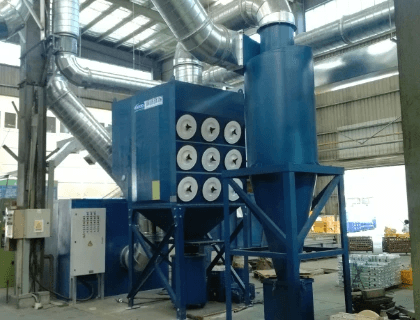
Maintaining your dust collection system is crucial for ensuring optimal performance and longevity. A well-kept dust collector not only enhances efficiency but also contributes to a healthier workshop environment. Let’s dive into some essential maintenance tips that will keep your woodworking dust collector in top shape.
Keeping Your Collector Dust-Free
To maintain peak performance, it's vital to keep your collector dust-free. Regularly check the filters and bags of your cyclone dust collector; these components can quickly become clogged with fine particles. A quick clean-out using compressed air or a vacuum will ensure that airflow remains unrestricted, allowing you to maximize the effectiveness of your shop dust collection system.
Additionally, consider implementing a routine cleaning schedule tailored to the volume of dust generated by your projects. If you notice a significant drop in suction power, refer to the dust collector CFM chart to assess whether the current setup meets your needs or requires adjustments. Remember, a clean collector not only performs better but also prolongs its lifespan.
Recognizing When to Upgrade Your System
Recognizing when it’s time for an upgrade can save you time and frustration down the line. If you're frequently emptying bags or experiencing reduced suction even after maintenance, it might be time for an upgrade—especially if you’re expanding your woodworking projects or workspace. Consulting a dust collector CFM chart can help determine if your current equipment matches the increased demands.
Another sign that an upgrade is necessary is if you're using outdated technology that doesn’t efficiently handle fine particulate matter like newer models do. Investing in a more advanced cyclone dust collector could significantly enhance both air quality and productivity in your workshop environment. Always weigh the cost of upgrades against potential health benefits and efficiency gains before making a decision.
Maximizing Performance of Your Dust Collector
Maximizing the performance of your best dust collector involves more than just regular maintenance; it requires strategic planning as well. Start by ensuring that all ductwork is sealed properly to prevent leaks, which can sap efficiency from even the most powerful systems available today. Use smooth bends rather than sharp angles in ductwork design—this minimizes airflow resistance and keeps everything running smoothly.
Utilize tools such as a dust collector CFM chart when choosing attachments for different machines; this ensures each tool operates within its optimal range for maximum efficiency during use. Lastly, consider incorporating NAROO systems into your setup—they're designed specifically for enhancing airflow while reducing noise levels associated with standard collectors, thereby providing an overall improved experience while working on those woodworking masterpieces.
Conclusion
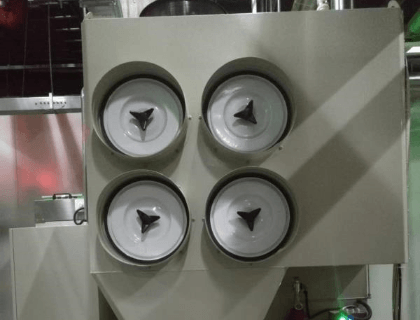
In the world of woodworking, understanding dust collection is crucial for both health and efficiency. Choosing the right dust collector size can mean the difference between a clean workspace and a cloud of sawdust that settles on everything. By evaluating your specific needs and utilizing tools like the dust collector CFM chart, you can ensure you select the best dust collector for your shop.
Key Takeaways on Dust Collector Sizing
When sizing your dust collector, it's essential to consider factors such as airflow requirements and the volume of dust generated by your projects. The dust collector CFM chart serves as an invaluable resource in this process, helping you match your equipment to your shop’s demands. Remember, whether you're opting for a cyclone dust collector or a bag filter system, proper sizing plays a pivotal role in maintaining optimal performance.
The Role of NAROO in Dust Management
NAROO systems offer innovative solutions for effective dust management in woodworking environments. With their advanced filtration technology, these systems ensure that even fine particles are captured efficiently, enhancing air quality and safety in your workspace. Integrating NAROO into your shop dust collection system not only simplifies maintenance but also maximizes the efficiency of your chosen woodworking dust collector.
Final Thoughts on Optimal Dust Collection Solutions
Achieving an optimal setup for dust collection involves careful planning and consideration of various factors discussed throughout this guide. Whether it's determining airflow using a reliable dust collector CFM chart or selecting between different types of collectors like cyclone models or bag filters, each decision impacts overall efficiency. Ultimately, investing time in understanding these elements will lead to cleaner air and a more enjoyable woodworking experience.