

Introduction
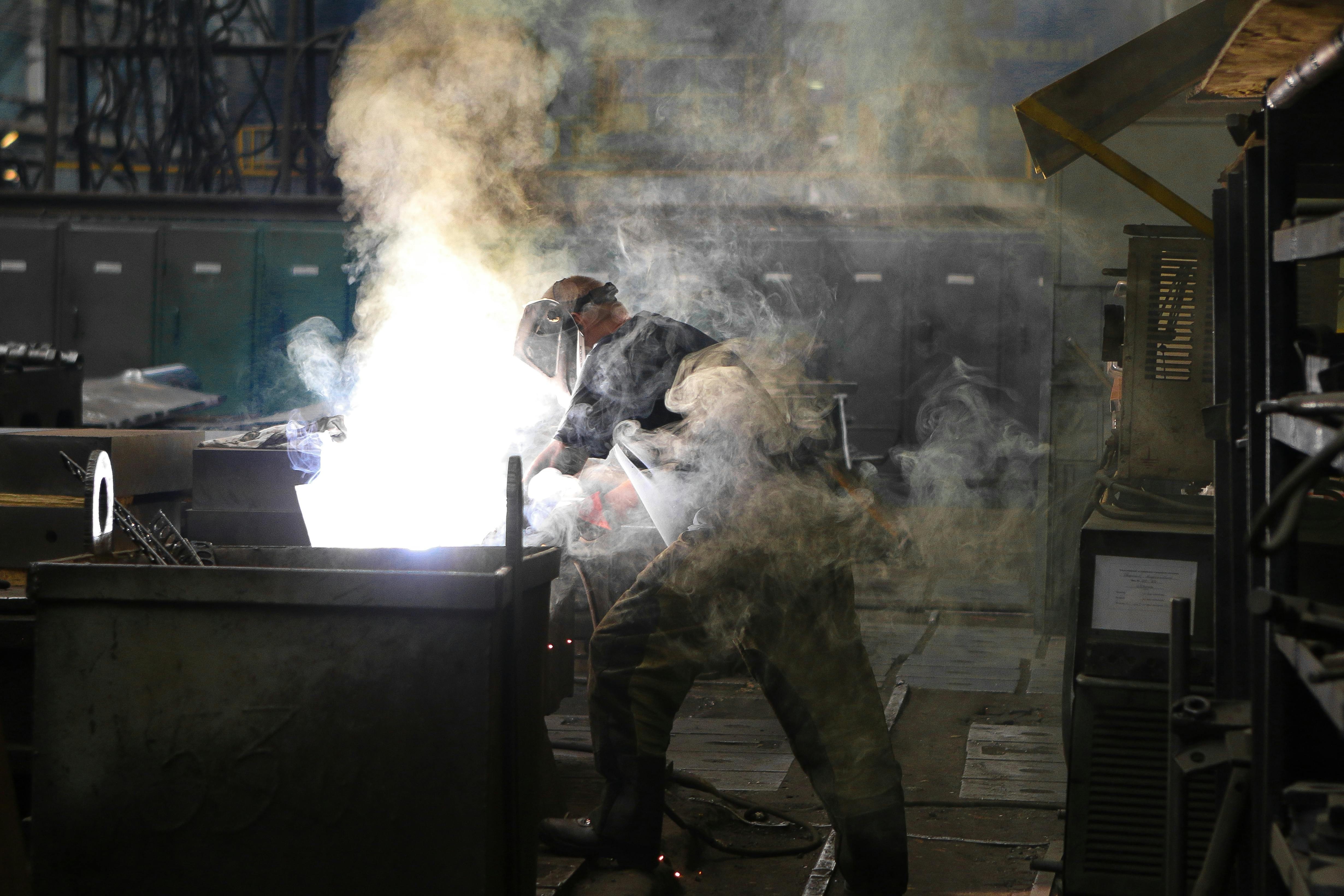
In the world of welding, where sparks fly and metal meets heat, the air quality can quickly become a concern. Understanding the importance of air quality is crucial not only for worker safety but also for maintaining a productive environment. Poor air quality due to weld dust and fumes can lead to serious health issues and reduced operational efficiency, making effective weld dust & fume extraction systems essential.
Understanding the Importance of Air Quality
Air quality in a welding shop is often overlooked until problems arise. The presence of harmful particles, such as weld dust and fumes, can pose significant health risks to workers if not adequately managed. Implementing robust fume extraction systems helps ensure that the work environment remains safe and compliant with health regulations while enhancing productivity.
What is Weld Dust & Fume?
Weld dust refers to the particulate matter generated during welding processes, which can include metal oxides and other hazardous materials. Fumes are created when metals vaporize under high temperatures and then condense into tiny particles that can be inhaled or absorbed through skin contact. Understanding these components is vital for implementing effective welding fume extraction systems that protect workers from exposure.
Key Components of Extraction Solutions
Fume extraction equipment typically consists of several key components designed to capture and filter harmful particles from the air efficiently. These include fume collectors, ductwork for directing airflow, filters for trapping contaminants, and exhaust fans to expel clean air outside or recirculate it within the workspace. A well-designed shop dust collection system integrates these elements seamlessly to maximize efficiency in weld dust & fume extraction.
The Health Risks of Fumes and Dust
When it comes to welding, the benefits often come with a hidden cost: the health risks associated with weld dust and fumes. Many welders may not fully understand how harmful exposure to these substances can be, leading to serious health issues over time. Awareness of these dangers is crucial for both individual welders and employers aiming to create a safe work environment.
Common Health Issues Linked to Exposure
Exposure to welding fumes can lead to a range of health problems that affect both short-term and long-term well-being. Common issues include respiratory ailments such as asthma, chronic bronchitis, and even lung cancer in severe cases. Additionally, weld dust can contribute to neurological disorders and cardiovascular diseases due to the inhalation of fine particulate matter.
The risk isn't limited just to the lungs; other symptoms may include headaches, dizziness, and fatigue—often mistaken for simple exhaustion from a hard day's work. Workers who are frequently exposed without proper protection or effective fume extraction systems are at an increased risk for these serious conditions. Therefore, investing in a robust welding fume extraction system is not just advisable; it's essential for safeguarding health.
The Role of Weld Dust & Fume Extraction
Weld dust & fume extraction systems play a pivotal role in minimizing exposure risks by effectively capturing harmful particles before they enter the worker's breathing zone. These systems utilize advanced technology such as high-efficiency filters and ventilation strategies designed specifically for welding environments. By employing fume collectors that efficiently remove contaminants from the air, businesses can significantly improve air quality and protect their workforce.
Moreover, implementing an effective shop dust collection system doesn't merely comply with regulations; it also enhances productivity by reducing sick days among employees. When workers breathe cleaner air free from harmful fumes and dust, they are more likely to perform at their best without the distraction of health-related issues. This creates a win-win scenario where safety meets efficiency.
Regulatory Standards and Compliance
Navigating regulatory standards related to weld dust & fume extraction can feel like trying to decipher an ancient scroll—complicated but crucial nonetheless! Organizations like OSHA (Occupational Safety and Health Administration) have established guidelines that dictate acceptable exposure limits for various hazardous materials found in welding fumes. Compliance with these regulations not only protects workers but also shields companies from potential legal repercussions.
Regular audits of your fume extraction equipment ensure that your operations remain within compliance limits while also identifying areas for improvement in your shop dust collection system setup. Staying informed about updates in regulations helps businesses maintain their commitment to safety while fostering trust among employees who feel protected on the job site. Ultimately, prioritizing compliance translates into better working conditions—and that's something everyone can get behind!
Types of Fume Extraction Equipment
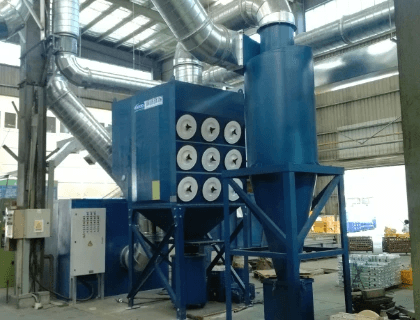
When it comes to maintaining a safe and healthy work environment, understanding the different types of fume extraction equipment is crucial. Weld dust & fume extraction systems play a vital role in minimizing exposure to harmful particles generated during welding processes. By selecting the right collector dust system, you can ensure effective removal of hazardous fumes from your workspace.
Overview of Fume Collection Systems
Fume collection systems are designed to capture and filter harmful substances released during welding operations. These systems typically consist of a fume extractor that draws in contaminated air, filters it, and then releases clean air back into the environment. Properly implemented welding fume extraction systems not only enhance air quality but also contribute to compliance with health regulations.
Different types of fume collectors exist, including portable units for smaller jobs and larger fixed installations for industrial settings. Each type has its own advantages depending on the specific needs of your shop dust collection system. Understanding these options helps you make an informed decision about which fume extraction equipment best suits your operation.
Comparison of Mobile vs. Fixed Systems
When choosing between mobile and fixed fume extraction systems, it's essential to weigh their pros and cons based on your workspace dynamics. Mobile units offer flexibility; they can be easily moved around to different workstations as needed, making them ideal for smaller shops or those with varying tasks requiring weld dust & fume extraction throughout the day. However, they may have limitations in terms of airflow capacity compared to their fixed counterparts.
On the other hand, fixed systems are permanently installed in designated areas and typically provide more robust performance for larger operations that generate significant amounts of welding fumes. While they require more upfront investment, their efficiency can lead to long-term savings by ensuring a cleaner work environment consistently. Ultimately, the choice between mobile and fixed systems depends on factors like workspace size, budget constraints, and specific operational needs.
Innovations in Fume Extraction Technology
The field of fume extraction technology is continuously evolving with new innovations aimed at improving efficiency and safety standards in weld dust & fume extraction processes. Recent advancements include smart sensors that monitor air quality in real-time and automatically adjust airflow rates based on contamination levels—ensuring optimal performance without manual intervention. This not only enhances worker safety but also reduces energy consumption.
Another exciting development is the integration of advanced filtration technologies that capture even finer particles that traditional filters might miss—making modern fume collectors more effective than ever before at removing harmful contaminants from the air we breathe while working with metals or other materials prone to generating hazardous fumes during welding activities.
These innovations highlight how investing in cutting-edge fume extraction equipment can significantly improve workplace safety while complying with strict regulatory standards related to occupational health hazards associated with welding operations.
Selecting the Right Welding Fume Extraction System
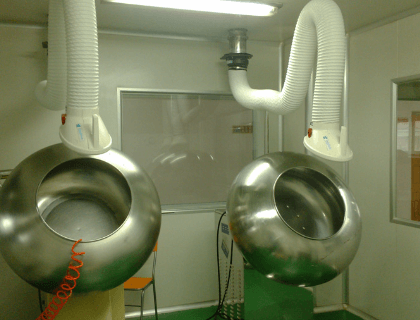
Choosing the right welding fume extraction system is crucial for maintaining a safe and healthy work environment. With various options available, it’s essential to consider several factors that can significantly impact the effectiveness of your extraction fume solution. From the layout of your workspace to regulatory compliance, understanding these details will help you make an informed decision.
Factors to Consider When Choosing
When selecting a weld dust & fume extraction system, first assess the specific needs of your shop environment. Consider factors such as the type of materials being welded, the volume of fumes generated, and whether you require a mobile or fixed system for optimal efficiency. Additionally, ensure that your chosen fume collector adheres to local regulations regarding air quality standards to avoid potential fines and health risks.
Another critical factor is the size and layout of your workspace; this will determine how many extraction points are needed and where they should be located for maximum effectiveness. The airflow requirements also play a significant role in selecting an appropriate system; higher airflow rates are necessary for larger operations with multiple welding stations. Finally, think about maintenance ease—opt for equipment that allows quick access for cleaning or filter changes to keep your shop dust collection system running smoothly.
Popular Brands and Solutions
The market offers numerous brands specializing in fume extraction equipment tailored to various welding applications. Notable names include Lincoln Electric, Miller Electric, and Donaldson Torit, each providing reliable solutions designed to capture harmful fumes effectively at their source. These companies offer both mobile units for flexibility on job sites and fixed systems tailored for larger industrial environments.
In addition to these well-known brands, there are emerging players focusing on innovative technologies that enhance performance while reducing energy consumption—an essential consideration in today's eco-conscious landscape. Each brand typically provides detailed specifications regarding airflow capacity, filter types, and noise levels—information crucial when comparing different welding fume extraction systems side by side. Ultimately, choosing a reputable brand can provide peace of mind knowing you're investing in quality equipment backed by industry experience.
Customized Solutions from NAROO
NAROO stands out by offering customized solutions tailored specifically to meet unique operational needs within various industries requiring weld dust & fume extraction systems. Their approach begins with assessing individual client requirements before designing bespoke systems that optimize both efficiency and safety in any given workspace setup. This level of customization ensures that every aspect—from filtration technology to airflow dynamics—is fine-tuned according to specific welding processes.
NAROO’s expertise extends beyond just providing equipment; they also offer consultation services aimed at maximizing existing setups through strategic modifications or enhancements based on real-world data analysis from previous implementations. This commitment not only improves overall air quality but also helps clients save on operational costs through increased efficiency in their shop dust collection systems over time. With NAROO's tailored solutions at hand, businesses can rest assured they're investing wisely in sustainable health practices while adhering closely to compliance standards.
Implementing a Shop Dust Collection System
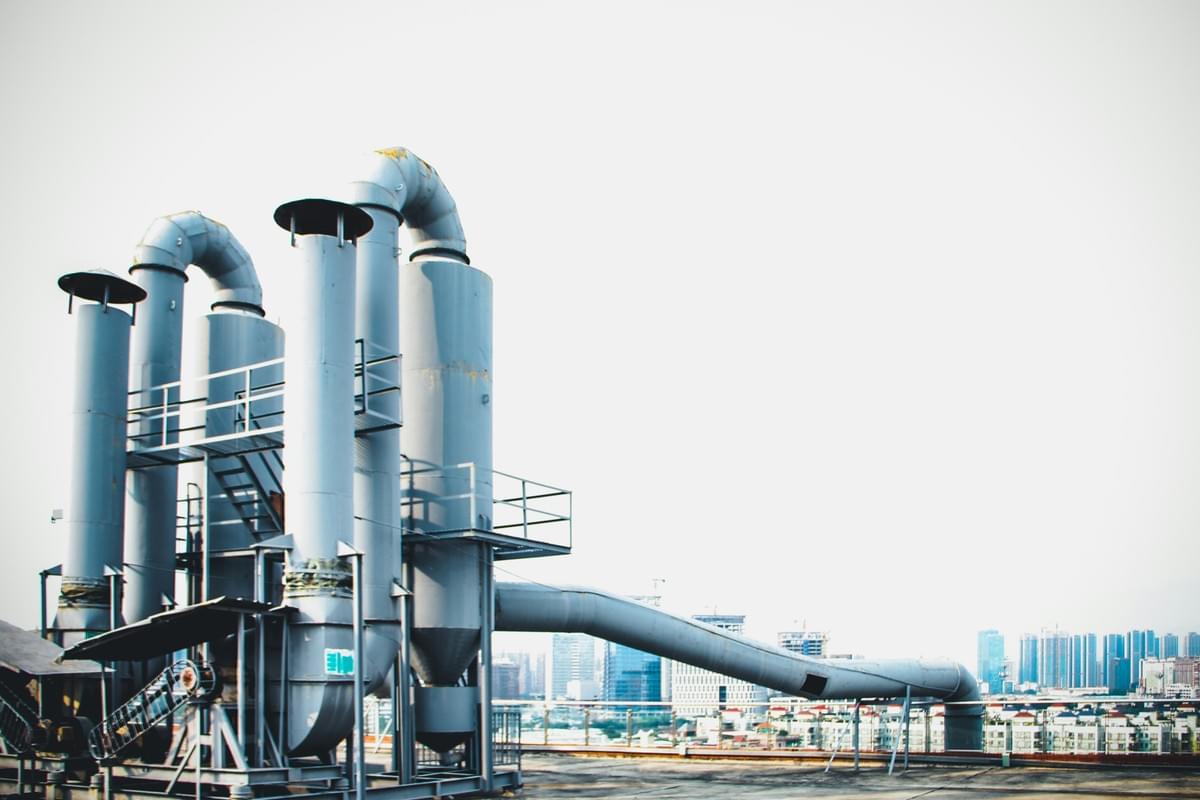
Creating an efficient shop dust collection system is crucial for maintaining a safe and productive welding environment. By strategically implementing weld dust & fume extraction solutions, you can minimize health risks associated with airborne particles and improve overall air quality. This section will guide you through the essential steps to set up an effective system that includes fume collectors and extraction equipment.
Setting Up Efficient Extraction Points
To maximize the effectiveness of your welding fume extraction system, it's vital to identify and establish optimal extraction points throughout your workspace. Positioning fume collectors near the source of weld dust and fumes ensures that contaminants are captured before they disperse into the air. Consider factors such as workstations, equipment layout, and employee movement patterns when determining where to install your extraction points.
Additionally, ensure that all employees are trained on how to use the fume extraction equipment properly. This training will help them understand the importance of utilizing these systems effectively while performing their tasks. Regular assessments of extraction point efficiency can also help in making necessary adjustments for enhanced performance.
Ensuring Proper Ventilation
An effective shop dust collection system requires proper ventilation to complement the function of your fume collectors. Adequate airflow is essential for drawing in contaminants while maintaining a safe environment for workers. Consider integrating exhaust fans or additional ventilation systems alongside your welding fume extraction solutions to enhance air circulation.
Moreover, be mindful of air pressure differences within your workspace; negative pressure zones can hinder effective fume removal. Regularly monitor indoor air quality metrics to ensure that ventilation systems are functioning optimally and adjust as needed based on real-time data or feedback from employees about their working conditions.
Maintenance Tips for Longevity
To keep your fume extraction system running smoothly over time, regular maintenance is key—think of it as giving your equipment a spa day! Start by creating a maintenance schedule that includes routine inspections of filters, ductwork, and other components of your collector dust system. Clean or replace filters according to manufacturer recommendations to ensure maximum efficiency in capturing weld dust & fumes.
In addition, don’t overlook minor repairs; even small issues can lead to significant drops in performance if left unattended. Encourage employees to report any irregularities they notice with the fume collection equipment so that swift action can be taken before problems escalate.
Case Studies of Successful Implementations

In the world of weld dust & fume extraction, real-world applications can illuminate the path to effective solutions. By examining successful case studies, we can see how different industries have tackled the challenges posed by harmful fumes and dust. These examples not only highlight the effectiveness of various fume extraction systems but also provide insights into best practices for implementation.
Example of NAROO's Solutions in Action
One notable case involves a large automotive manufacturing plant that faced significant challenges with weld dust & fume extraction due to extensive welding operations. The facility implemented NAROO's advanced welding fume extraction system, which included strategically placed fume collectors throughout the shop floor. This setup drastically reduced airborne contaminants, leading to a safer work environment and compliance with regulatory standards.
Another success story comes from a metal fabrication shop that struggled with collector dust accumulation affecting productivity and worker health. By integrating NAROO’s customized shop dust collection system, they experienced improved air quality and reduced downtime caused by maintenance issues related to excessive dust buildup. The results were so impressive that management reported increased employee satisfaction and overall efficiency in their operations.
These examples illustrate how tailored solutions in fume extraction equipment can lead to tangible benefits for businesses across various sectors, paving the way for healthier workplaces.
Testimonials from Industry Leaders
Industry leaders have recognized the importance of effective weld dust & fume extraction systems in maintaining workplace safety and enhancing productivity. One CEO from a renowned manufacturing company stated, Implementing NAROO’s fume extraction system transformed our approach to air quality management; our workers feel safer, which boosts morale. Such testimonials underscore how investing in robust fume collector technology pays dividends not just in compliance but also in employee well-being.
Another leader from an aerospace company shared their experience: Before switching to NAROO’s solutions, we faced constant challenges with excessive fumes affecting our workflow. Now, our extraction fume systems are reliable and efficient. This sentiment is echoed across various sectors where companies have embraced modern technologies for weld dust & fume extraction.
These endorsements highlight that industry leaders not only appreciate improved air quality but also recognize the critical role these systems play in enhancing operational efficiency and worker health.
Lessons Learned from Real-World Applications
The implementation of effective welding fume extraction systems has provided valuable lessons that can guide future projects. One key takeaway is the importance of proper planning when setting up a shop dust collection system; identifying optimal locations for extraction points significantly enhances performance while minimizing costs associated with installation modifications later on.
Additionally, ongoing maintenance emerged as a critical factor influencing the longevity and effectiveness of any chosen equipment—regular checks on filters and ductwork ensure maximum efficiency for all types of fume collectors used across industries. Another lesson learned is that employee training on using these systems effectively maximizes their benefits; informed workers are more likely to engage with safety protocols surrounding weld dust & fume extraction practices.
By analyzing these real-world applications, companies can glean insights into optimizing their own processes while ensuring compliance with health regulations through innovative solutions like those offered by NAROO.
Conclusion
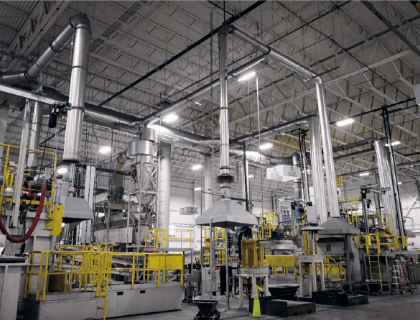
In wrapping up our exploration of weld dust & fume extraction, it's clear that effective management of welding fumes is not just a recommendation but a necessity for maintaining a safe work environment. The importance of having the right fume extraction equipment cannot be overstated; it plays a critical role in protecting the health of workers and ensuring compliance with regulatory standards. From mobile to fixed systems, understanding the various types of fume collectors available empowers businesses to make informed decisions about their shop dust collection system.
Recap of Key Fume Extraction Insights
Throughout this discussion, we’ve highlighted the significant health risks associated with exposure to weld dust and fumes, including respiratory issues and long-term diseases. We also delved into the various types of fume extraction systems available, noting how innovations in technology are enhancing their effectiveness and efficiency. Ultimately, investing in a robust welding fume extraction system is not only about compliance; it’s about creating a healthier workplace for everyone involved.
Future Trends in Weld Dust Removal
Looking ahead, we can anticipate exciting advancements in weld dust & fume extraction technologies that will further improve air quality in industrial settings. Innovations such as smart sensors and automated systems are on the horizon, promising to optimize the performance of fume collectors while minimizing energy consumption. Additionally, as industries continue to prioritize sustainability, eco-friendly materials and processes will likely become integral components of future extraction solutions.
Why NAROO is Your Go-To for Extraction Solutions
When it comes to reliable solutions for weld dust & fume extraction, NAROO stands out as an industry leader committed to excellence and innovation. Their comprehensive range of fume extraction equipment is designed with both performance and user comfort in mind, ensuring that every shop dust collection system meets unique operational needs. With customized solutions tailored specifically for your business requirements, NAROO ensures you’re not just compliant but also equipped for success.