

Introduction
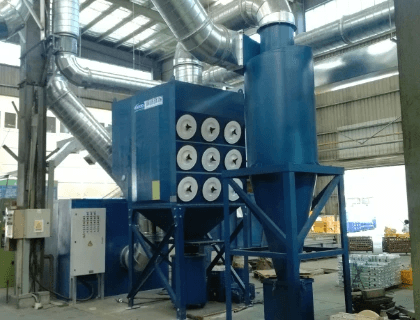
In the bustling world of industrial operations, maintaining efficiency is paramount, and one often overlooked aspect is dust collection. A robust baghouse dust collection system plays a crucial role in ensuring that workplaces remain clean and productive. By effectively managing collector dust, these systems not only enhance operational efficiency but also contribute to a healthier work environment.
The Role of Dust Collection in Efficiency
Dust accumulation can significantly hinder productivity by obstructing machinery and creating hazardous working conditions. An industrial dust collection system, particularly one utilizing bag filtration technology, ensures that airborne particles are captured before they can cause disruptions. Consequently, businesses can operate smoothly while minimizing downtime and maintenance costs associated with equipment failures due to excessive dust.
Benefits of a Baghouse Dust Collection System
Baghouse dust collectors are designed for optimal performance, capturing even the finest particles while maintaining airflow efficiency. The benefits include reduced emissions, compliance with environmental regulations, and improved air quality for employees working in close proximity to potential hazards. With their ability to manage large volumes of dust effectively, bag house systems stand out as a reliable choice for industries seeking sustainable solutions.
Why Choose Industrial Dust Collection Systems
Investing in an industrial dust removal system is not just about compliance; it's about fostering a safe workplace culture that prioritizes employee wellbeing. These systems offer long-term financial savings through reduced health-related costs and increased operational efficiency. By choosing advanced baghouse dust collection systems, companies position themselves at the forefront of industry standards while enhancing overall productivity.
Understanding Baghouse Dust Collection Systems

When it comes to maintaining a clean and efficient industrial environment, the baghouse dust collection system stands out as a reliable solution. These systems are designed specifically to capture and filter harmful dust particles generated during various manufacturing processes. By understanding how baghouse systems work, their key components, and the advantages of bag filtration, industries can make informed decisions about their dust management strategies.
How Baghouse Systems Work
At its core, a baghouse dust collection system operates on a simple yet effective principle: air is drawn through filter bags that trap dust particles while allowing clean air to pass through. The process begins with the collector dust being pulled into the baghouse through an inlet duct, where it encounters the filter bags made from specialized materials designed for optimal filtration. As air flows through these bags, larger particles settle at the bottom while finer dust is captured on the surface of each bag until it's time for cleaning.
The cleaning mechanism is crucial for maintaining efficiency in an industrial dust removal system. Periodically, compressed air or mechanical shaking dislodges accumulated dust from the bags, allowing it to fall into a hopper for disposal. This continuous cycle ensures that airflow remains unobstructed and that workplace air quality stays high.
Key Components of a Baghouse
Understanding the key components of a baghouse is essential for grasping how these systems function effectively in various industrial settings. The primary elements include filter bags, hoppers for collecting debris, fan systems for airflow management, and control panels that monitor performance metrics like pressure drops and cleaning cycles. Each component plays a vital role in ensuring that the entire system operates smoothly and efficiently.
Filter bags are typically made from durable fabrics resistant to heat and chemicals to withstand harsh environments while providing excellent filtration capabilities. The hoppers collect the filtered-out material—often referred to as collector dust—making disposal straightforward and efficient. Meanwhile, fan systems create negative pressure within the bag house, drawing contaminated air from production areas into the filtration process.
Advantages of Bag Filtration
Bag filtration offers numerous advantages over other types of industrial dust collection systems available today. One significant benefit is its ability to handle large volumes of particulate matter without compromising airflow or efficiency; this makes it ideal for industries with heavy-duty applications like metalworking or woodworking where fine particles can be hazardous. Additionally, baghouses can be tailored with different types of filter media depending on specific operational needs.
Another advantage lies in their low maintenance requirements compared to other systems; once installed properly, they require minimal intervention aside from periodic cleaning cycles and inspection checks—saving both time and money in operational costs over time. Moreover, effective dust filtration not only enhances workplace safety but also contributes positively to overall productivity by ensuring cleaner working conditions.
In conclusion, understanding how a baghouse dust collection system works along with its key components allows businesses to appreciate its value fully while recognizing its numerous advantages such as efficient operation and low maintenance costs.
Enhancing Workplace Safety

In any industrial setting, safety should always be a top priority, and a baghouse dust collection system plays a crucial role in ensuring that. By effectively capturing harmful particulate matter, these systems significantly reduce hazardous dust exposure for workers. This not only fosters a safer work environment but also enhances overall operational efficiency.
Reducing Hazardous Dust Exposure
The primary function of a baghouse dust collector is to filter out harmful dust particles from the air, creating a cleaner atmosphere for employees. With advanced bag filtration technology, these systems can capture even the smallest particles before they become airborne. This proactive approach to dust management minimizes respiratory hazards and other health risks associated with prolonged exposure to industrial dust.
By implementing an industrial dust collection system, businesses can effectively mitigate the dangers posed by fine particulate matter and ensure their workforce remains healthy and productive. Regular maintenance of these systems ensures optimal performance in reducing hazardous dust exposure over time. Ultimately, investing in such solutions is not just about compliance; it’s about valuing employee well-being.
Compliance with Safety Regulations
Adhering to safety regulations is non-negotiable for any business operating in an industrial environment, and effective dust filtration is often at the forefront of these requirements. Regulatory bodies set strict guidelines regarding air quality standards that must be met to protect workers from hazardous substances. A reliable baghouse dust collection system helps companies comply with these regulations by efficiently capturing collector dust before it spreads into the workplace.
Failure to meet compliance standards can lead to hefty fines and damage to a company’s reputation; therefore, investing in an industrial dust removal system becomes essential for risk management strategies. Moreover, demonstrating commitment to safety through proper filtration systems can enhance employee morale and trust within the organization. In short, compliance isn’t just about avoiding penalties; it’s about fostering a culture of safety.
Impact on Employee Health
The health implications of poor air quality cannot be overstated—especially in industries where exposure to harmful particulates is prevalent. A well-designed bag house greatly reduces the risk of respiratory illnesses and other health issues linked to inhaling contaminated air over time. By utilizing advanced bag filtration methods within an industrial dust collection system, employers are actively working towards safeguarding their employees' long-term health.
Beyond physical health benefits, improved air quality contributes positively to overall workplace satisfaction and productivity levels among staff members. Employees who feel safe at work are more likely to remain engaged and motivated throughout their shifts—leading to better outcomes for both individuals and organizations alike! Investing in effective dust filtration solutions demonstrates that companies care about their workforce's well-being while simultaneously enhancing operational performance.
Improving Air Quality and Efficiency

In the bustling world of industrial operations, clean air isn't just a luxury—it's a necessity. The importance of maintaining high air quality in industries cannot be overstated; it directly affects not only the health of employees but also the efficiency of operations. A baghouse dust collection system plays a crucial role in achieving this, ensuring that harmful particles are effectively removed from the air, promoting a safer and more productive workplace.
The Importance of Clean Air in Industries
Clean air is essential for any industrial setting, as it helps to mitigate the risks associated with hazardous dust exposure. Without effective dust filtration systems like baghouse dust collectors, harmful particles can accumulate, leading to respiratory issues and other health problems among workers. Moreover, industries that prioritize clean air often see improved morale and reduced absenteeism, which ultimately contributes to better productivity and efficiency.
How Effective Dust Filtration Boosts Productivity
An efficient industrial dust collection system not only protects employees but also enhances overall productivity levels within a facility. When a bag house operates effectively to filter out dust and pollutants, machinery runs smoother and maintenance costs decrease significantly—no one likes dealing with clogged equipment! This means less downtime for repairs and more time spent on actual production activities, making effective dust filtration an unsung hero behind successful operations.
NAROO’s Role in Air Purification
NAROO takes air purification to the next level by integrating advanced technologies into their bag filtration systems that complement traditional baghouse solutions. Their innovative approach ensures that even the smallest particles are captured efficiently, providing cleaner air for both workers and machinery alike. By investing in NAROO’s solutions as part of an industrial dust removal system strategy, companies can achieve remarkable improvements in air quality while simultaneously boosting their operational efficiency.
Cost-Effectiveness of Baghouse Systems
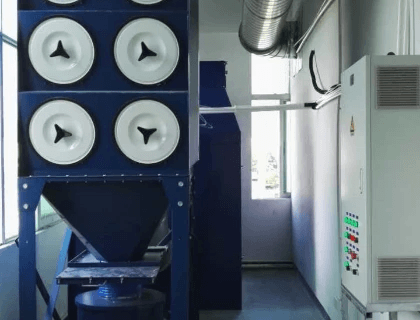
When it comes to industrial operations, the cost-effectiveness of a baghouse dust collection system cannot be overstated. These systems not only help maintain a cleaner environment but also contribute significantly to long-term savings. By investing in a baghouse dust collector, businesses can optimize their processes and reduce overall operational expenses.
Long-term Savings Through Dust Collection
Implementing an industrial dust collection system can lead to substantial long-term savings for companies. By effectively managing and collecting harmful dust particles, businesses can avoid costly fines associated with non-compliance to environmental regulations. Moreover, the efficiency of bag filtration reduces wear and tear on machinery, extending equipment lifespan and minimizing replacement costs.
Additionally, a well-designed bag house ensures that production processes run smoothly without interruptions caused by excessive dust buildup. This translates into fewer downtimes and higher productivity levels over time—an investment that pays off handsomely in the long run. Ultimately, the financial benefits of a robust collector dust system far outweigh initial installation costs.
Maintenance and Operational Costs
While some may worry about maintenance expenses associated with a baghouse dust collector, these systems are generally designed for easy upkeep. Regular maintenance is essential but often involves simple tasks like replacing filter bags or cleaning the unit itself; tasks that are manageable even for smaller teams. Additionally, many modern industrial dust removal systems come with features that alert operators when maintenance is needed, further simplifying upkeep.
Operational costs are also kept in check due to energy-efficient designs found in many contemporary bag filtration systems. These innovations ensure that your dust collectors use minimal energy while still performing at optimal levels—resulting in lower utility bills over time. The balance between operational efficiency and low maintenance needs makes these systems both economical and practical for any industry.
ROI of Investing in Industrial Dust Removal Systems
The return on investment (ROI) from implementing a baghouse dust collection system is often impressive when calculated over several years. Companies frequently see reduced health-related costs due to fewer workplace injuries associated with hazardous dust exposure; this alone can justify the initial expense of installing an effective collector dust system. Furthermore, improved air quality leads to enhanced employee morale and productivity—a factor that directly impacts profitability.
Investing in an industrial dust collection system also positions companies favorably within their industries as environmentally responsible entities committed to safety standards. This positive reputation can attract new clients who value sustainability alongside quality service or products—a win-win situation! When you consider all these factors together, it’s clear that the ROI from such investments extends beyond mere financial gains; it contributes significantly toward building a sustainable future for your business.
Case Studies: Success Stories With Baghouse Systems

Industrial dust collection systems are not just theoretical constructs; they have been put to the test across various industries, proving their worth in real-world applications. In this section, we’ll explore how leading companies have successfully implemented baghouse dust collection systems to enhance efficiency, safety, and air quality. These case studies illustrate the transformative power of effective dust filtration techniques.
CATL: Revolutionizing Dust Management
Contemporary Amperex Technology Co., Limited (CATL) has set a benchmark in battery manufacturing while tackling the challenges of dust management head-on. By integrating a state-of-the-art baghouse dust collector into their production lines, CATL significantly minimized airborne particulates that could compromise both product quality and employee health. The implementation of this industrial dust removal system not only streamlined their operations but also showcased how effective bag filtration can lead to a cleaner work environment.
The results were impressive: CATL reported a marked reduction in hazardous dust exposure levels, aligning with stringent safety regulations and promoting better employee well-being. By prioritizing the installation of an advanced bag house for dust control, they have effectively transformed their manufacturing process into one that emphasizes sustainability and safety. This success story serves as a powerful reminder that investing in robust collector dust solutions pays dividends in both productivity and compliance.
BYD: Efficient Dust Filtration Techniques
BYD, a global leader in electric vehicles and renewable energy solutions, recognized early on the importance of maintaining clean air within its production facilities. To combat excessive particulate matter generated during manufacturing processes, BYD adopted an innovative baghouse dust collection system tailored for efficiency and effectiveness. Their approach to industrial dust filtration not only improved air quality but also enhanced overall operational performance.
With the introduction of advanced bag filtration methods, BYD was able to achieve significant reductions in airborne contaminants while ensuring compliance with environmental standards. This commitment to maintaining high air quality levels has had a positive impact on employee health and productivity within their factories. As BYD continues to innovate in sustainable technologies, their success illustrates how strategic investments in industrial dust collection systems can yield substantial benefits across multiple facets of business operations.
Mercedes-Benz: Enhancing Production with Dust Collectors
Mercedes-Benz is synonymous with luxury and performance; however, behind every sleek vehicle lies a complex manufacturing process that generates considerable amounts of harmful dust particles. To address this challenge head-on, Mercedes-Benz implemented an efficient baghouse system designed specifically for automotive production environments where precision is paramount. Their choice of an advanced industrial dust removal system allowed them to maintain pristine conditions necessary for high-quality output.
The integration of robust collector dust technology not only improved air quality but also contributed substantially to workplace safety by reducing hazardous exposures among employees working on assembly lines. Moreover, Mercedes-Benz's commitment to employing cutting-edge bag filtration solutions highlights their dedication to sustainable practices while meeting rigorous industry standards. This case study exemplifies how embracing modern approaches to industrial dust filtration can lead manufacturers toward greater operational excellence without compromising on safety or quality.
Conclusion

In wrapping up our exploration of baghouse dust collection systems, it's clear that these industrial dust collection systems are not just a luxury but a necessity for modern workplaces. They provide significant benefits, from enhancing air quality to ensuring compliance with safety regulations. Investing in a baghouse dust collector is an investment in both employee health and operational efficiency.
Key Takeaways on Dust Collection Systems
The primary takeaway is that a baghouse dust collection system offers unparalleled advantages in managing harmful dust particles effectively. With robust bag filtration technology, these systems can significantly reduce hazardous exposure and improve overall workplace safety. Furthermore, the cost-effectiveness of implementing an industrial dust removal system makes it a smart choice for companies aiming to boost productivity while maintaining compliance with health standards.
The Future of Industrial Dust Filtration
Looking ahead, the future of industrial dust filtration seems promising as innovations continue to emerge within this field. Advanced technologies in bag filtration are being developed to enhance efficiency and reduce energy consumption further, making the bag house even more appealing for industries facing stricter regulations and higher operational costs. As awareness grows about the importance of clean air and effective collector dust management, we can expect more businesses to adopt state-of-the-art solutions like baghouse systems.
Your Next Steps Towards Dust Management Solutions
Now that you’re armed with knowledge about the benefits of a baghouse dust collector, it’s time to take action towards improving your facility's air quality and safety standards. Start by evaluating your current industrial dust collection system and identifying areas for improvement or upgrade potential. Consult with experts who specialize in industrial dust removal systems to tailor solutions that fit your specific needs—your employees (and your bottom line) will thank you!