

Introduction

In today’s industrial landscape, the importance of maintaining high air quality cannot be overstated. From manufacturing plants to construction sites, an effective industrial air filtration system plays a crucial role in safeguarding both employee health and operational efficiency. As industries grapple with dust and airborne contaminants, understanding the nuances of air filtration systems becomes essential for compliance and productivity.
Understanding Industrial Air Filtration
Industrial air filtration is not just a luxury; it's a necessity for any facility that produces or handles dust and particulates. An industrial air filtration system is designed specifically to capture harmful pollutants from the air, ensuring that workers breathe cleaner air while minimizing equipment wear and tear caused by dust buildup. By investing in robust dust air filtration solutions, companies can create safer work environments and enhance overall performance.
The Role of NAROO in Air Quality
NAROO has emerged as a leader in the realm of air quality management, providing innovative solutions tailored for various industries. With a focus on advanced technologies, NAROO's products are engineered to tackle even the most challenging dust issues effectively. Their commitment to improving indoor air quality through state-of-the-art industrial air filter systems underscores their role as pioneers in this critical field.
Why Invest in Air Filtration Systems
Investing in an efficient air filtration system is not merely about compliance; it’s about fostering a healthier workplace and enhancing productivity. Companies that prioritize clean air often see reduced absenteeism due to health-related issues linked to poor indoor environments. Furthermore, with increasing regulatory scrutiny surrounding workplace safety, having reliable dust air filtration measures in place can provide businesses with peace of mind and a competitive edge.
What is an Industrial Air Filtration System

Industrial air filtration systems are vital components in maintaining a healthy and safe work environment. These systems are designed to remove airborne contaminants, such as dust, pollutants, and allergens, ensuring that the air quality meets industry standards. By effectively managing air quality, these systems play a crucial role in protecting both employees and equipment from harmful particles.
Definition and Purpose
An industrial air filtration system is specifically engineered to capture and eliminate various airborne particulates within industrial settings. The primary purpose of these systems is to enhance air quality by filtering out dust, smoke, fumes, and other pollutants that can compromise health and productivity. In essence, they act as the lungs of industrial facilities, providing clean air for workers while minimizing potential hazards associated with poor air quality.
Key Components Explained
The effectiveness of an industrial air filtration system relies on several key components working harmoniously together. First up is the pre-filter, which captures larger particles before they reach the main filter; this prolongs its life while boosting overall efficiency. Next comes the main filter itself—often a HEPA or ULPA filter—that traps smaller particles down to 0.3 microns in size, ensuring even the tiniest dust specks are eliminated from circulation.
Other essential components include fans or blowers that facilitate airflow through the system and ductwork that directs contaminated air toward the filters for treatment. Finally, many advanced systems incorporate monitoring technology to provide real-time data on air quality levels—essential for compliance with industry standards related to dust air filtration.
Benefits of Effective Filtration
Investing in an effective industrial air filtration system yields numerous benefits beyond just cleaner air. Firstly, improved indoor air quality leads to enhanced worker health and productivity; fewer respiratory issues mean fewer sick days and higher morale among employees. Additionally, efficient dust control can extend equipment lifespan by reducing wear caused by particulate accumulation—saving companies money in maintenance costs over time.
Moreover, compliance with environmental regulations becomes more manageable when businesses utilize robust filtration solutions tailored for their specific needs. Ultimately, choosing the right industrial air filter systems not only safeguards employee well-being but also contributes positively to overall operational efficiency.
How NAROO Innovates Air Filtration

When it comes to industrial air filtration, NAROO is not just keeping up with the times; they’re setting the pace. With a commitment to advancing air quality, their innovative approaches are transforming how industries manage dust and other airborne pollutants. By integrating cutting-edge technologies into their air filtration systems, NAROO ensures that businesses can operate in healthier environments while meeting stringent regulations.
Advanced Technologies in Use
NAROO employs state-of-the-art technologies that redefine what an industrial air filtration system can achieve. From HEPA filters designed for maximum efficiency to electrostatic precipitators that capture even the smallest particles, these systems are engineered for performance. Furthermore, smart sensors and IoT capabilities allow real-time monitoring of air quality, ensuring optimal functioning of dust air filtration processes while providing actionable insights for facility managers.
The integration of these advanced technologies not only enhances the effectiveness of industrial air filter systems but also reduces operational costs over time. By minimizing energy consumption and maintenance needs through intelligent design, NAROO’s solutions offer a sustainable approach to industrial air management. As industries increasingly prioritize environmental responsibility, such innovations are becoming essential.
Custom Solutions for Diverse Industries
One size does not fit all when it comes to air filtration; that's why NAROO specializes in custom solutions tailored to various industries' unique needs. Whether it's manufacturing, pharmaceuticals, or food processing, each sector has distinct challenges regarding airborne contaminants that require specialized attention. By collaborating closely with clients, NAROO develops bespoke industrial air filtration systems that address specific dust issues while enhancing overall productivity.
Their adaptability ensures that every solution is optimized for efficiency and compliance with industry standards. This level of customization not only improves the effectiveness of dust air filtration but also fosters long-term partnerships with clients who trust in NAROO's expertise and innovation. As a result, businesses can focus on their core operations while knowing they have top-notch protection against airborne pollutants.
Case Studies of Success
NAROO’s track record speaks volumes about its impact on various industries through effective air filtration solutions. One notable case involved a large manufacturing facility struggling with high levels of particulate matter due to its production processes. After implementing a tailored industrial air filter system from NAROO, the company reported a dramatic reduction in airborne dust levels—by over 80%—leading to improved worker health and enhanced productivity.
Another success story highlights a pharmaceutical company facing compliance challenges due to stringent regulations on cleanroom environments. By integrating advanced dust air filtration technology from NAROO into their operations, they achieved full compliance while significantly reducing contamination risks during production cycles. These case studies illustrate how investing in effective air filtration systems translates into tangible benefits across diverse sectors.
The Importance of Dust Air Filtration
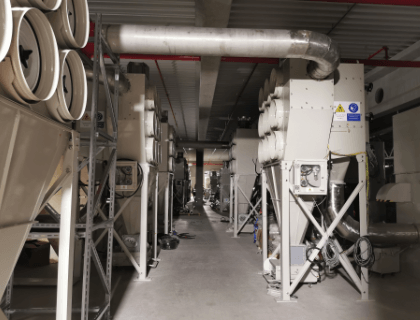
In the realm of industrial operations, dust air filtration is not merely an option; it’s a necessity. Dust particles can have far-reaching effects on both human health and equipment efficiency. An effective industrial air filtration system helps mitigate these risks, ensuring cleaner air and a healthier workplace.
Health Impacts of Dust Exposure
Dust exposure can lead to a myriad of health issues, ranging from respiratory problems to serious chronic conditions. Workers in industries with high dust levels are particularly vulnerable, facing risks such as asthma, bronchitis, and even lung cancer over prolonged exposure. An efficient air filtration system is essential for trapping harmful dust particles before they enter the lungs, safeguarding employee health while boosting productivity.
Industry Standards and Compliance
Adhering to industry standards for dust control is not just about compliance; it’s about creating a safe working environment. Regulations set by organizations like OSHA (Occupational Safety and Health Administration) mandate specific limits on airborne dust levels in various industries. Implementing robust industrial air filter systems helps companies meet these standards while avoiding costly fines and enhancing their reputation as responsible employers.
How NAROO Addresses Dust Issues
NAROO takes pride in its commitment to addressing dust issues through innovative solutions tailored for diverse industrial needs. Their advanced technologies ensure that every industrial air filtration system effectively captures even the smallest dust particles, providing unparalleled protection for workers and equipment alike. With case studies showcasing successful implementations across various sectors, NAROO demonstrates its expertise in transforming dusty environments into clean workplaces.
Choosing the Right Air Filtration System
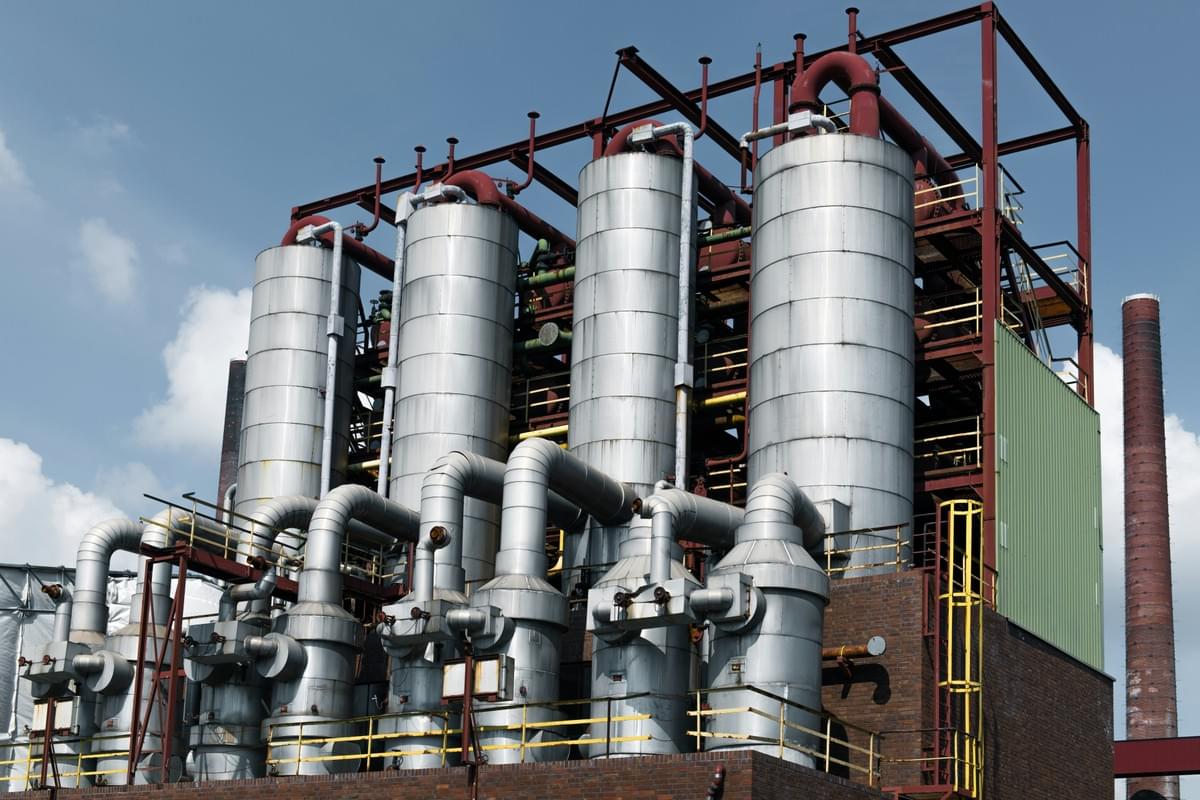
Selecting the right industrial air filtration system can feel like navigating a maze, especially with so many options available. Each facility has unique needs based on its operations, environment, and regulatory requirements. Understanding these factors is essential to ensure you invest in an effective dust air filtration solution that meets your specific demands.
Factors to Consider
When choosing an industrial air filtration system, several factors come into play. First and foremost is the type of contaminants present; whether you’re dealing with dust, fumes, or volatile organic compounds (VOCs), knowing what you need to filter out will guide your decision-making process. Additionally, consider the size and layout of your facility—this will impact both the type of system needed and its placement for optimal efficiency.
Another critical factor is compliance with industry standards and regulations. Ensuring that your chosen air filtration system meets these requirements not only protects employee health but also shields your business from potential fines or legal issues down the line. Lastly, don’t overlook maintenance needs; a system that’s easy to service will save you time and money in the long run.
Comparing Industrial Air Filter Systems
With various industrial air filter systems on the market, it’s vital to compare their features and benefits closely. Look for systems equipped with advanced filtration technologies designed specifically for dust air filtration; these can significantly improve indoor air quality while reducing operational costs over time. Pay attention to energy efficiency ratings as well; a more efficient system can lead to substantial savings on energy bills.
It’s also essential to evaluate the longevity and durability of different systems—investing in a robust solution means fewer replacements and less downtime for maintenance. Customer reviews and case studies offer valuable insights into real-world performance; hearing from others who have used these systems can provide clarity on which one may be best suited for your needs. Ultimately, finding a balance between cost-effectiveness and quality will ensure you make a wise investment in an effective air filtration system.
NAROO’s Product Range Overview
NAROO offers an impressive range of industrial air filtration systems tailored to meet diverse industry needs while focusing on effective dust air filtration solutions. Their products incorporate cutting-edge technologies designed for maximum efficiency while adhering to stringent industry standards—ensuring compliance without compromising performance. From compact units suitable for smaller facilities to large-scale systems capable of handling heavy-duty applications, NAROO has something for everyone.
One standout feature is their custom solutions that cater specifically to unique operational challenges faced by different industries—from manufacturing plants dealing with metal shavings to food processing facilities requiring stringent hygiene standards. With NAROO's expertise at hand, businesses can find tailored solutions that not only meet but exceed their expectations regarding indoor air quality management.
In summary, selecting the right industrial air filtration system requires careful consideration of various factors including contaminants present, compliance requirements, maintenance ease, and overall efficiency ratings—all elements where NAROO excels in providing top-tier options.
Future Trends in Air Filtration

The future of air filtration is bright and promising, particularly for industrial air filtration systems. With increasing awareness of environmental issues, businesses are actively seeking solutions that not only improve air quality but also contribute to sustainability efforts. As regulations tighten and public demand for cleaner air rises, the evolution of dust air filtration technologies will play a crucial role in shaping the industry.
Increasing Demand for Sustainability
Sustainability has become a buzzword across industries, and the need for eco-friendly practices is more pressing than ever. Companies are now prioritizing investments in an industrial air filtration system that minimizes their carbon footprint while maximizing efficiency. This shift towards sustainable practices not only complies with regulations but also enhances brand reputation and customer loyalty.
As businesses strive to reduce waste and energy consumption, advanced dust air filtration solutions are emerging as key players in achieving these goals. The integration of recyclable materials and energy-efficient designs is transforming traditional industrial air filter systems into greener alternatives. By adopting these innovative approaches, companies can ensure they remain competitive while contributing positively to environmental conservation.
The Role of Smart Technology
Technology continues to revolutionize various sectors, and industrial air filtration is no exception. Smart technology is paving the way for more efficient monitoring and management of air quality through automated systems that provide real-time data analytics. This advancement allows facility managers to optimize their operations by identifying potential issues before they escalate into costly problems.
Moreover, integrating smart features into an air filtration system enhances its effectiveness by enabling predictive maintenance schedules based on usage patterns and environmental conditions. This proactive approach not only prolongs the life span of filters but also ensures that dust air filtration remains at peak performance levels consistently. As smart technology becomes increasingly accessible, businesses will be better equipped to tackle evolving challenges in maintaining clean indoor environments.
NAROO’s Vision for Environmental Protection
NAROO stands at the forefront of innovation in the field of industrial air filtration systems with a strong commitment to environmental protection. Recognizing the urgent need for cleaner workplaces, NAROO continuously invests in research and development to create cutting-edge dust air filtration solutions tailored to diverse industry needs. Their vision encompasses not just compliance with current standards but also setting new benchmarks for sustainable practices within the sector.
By focusing on eco-friendly materials and energy-efficient designs, NAROO aims to lead by example while inspiring other companies to follow suit in their sustainability journeys. Their strategic approach includes collaborating with various industries to develop customized solutions that address specific challenges related to indoor air quality effectively. Ultimately, NAROO envisions a future where every workplace benefits from optimal indoor environments supported by innovative industrial air filter systems designed with both people and planet in mind.
Conclusion

In summary, NAROO stands at the forefront of the industrial air filtration system landscape, combining advanced technology with a commitment to excellence. With a comprehensive understanding of dust air filtration and its implications, NAROO provides tailored solutions that meet the unique needs of various industries. Their dedication to innovation ensures that clients receive effective and efficient air filtration systems, enhancing both workplace safety and environmental sustainability.
Recap of NAROO’s Expertise
NAROO's expertise in developing industrial air filter systems is unparalleled, backed by years of research and real-world application. Their team understands the complexities involved in dust air filtration, ensuring that each solution is not only effective but also compliant with industry standards. From custom designs to cutting-edge technology integration, NAROO has proven time and again that they are leaders in creating robust air filtration systems.
The Business Case for Filtration Systems
Investing in an industrial air filtration system is not just about compliance; it’s a smart business decision that can lead to significant cost savings over time. By improving air quality through effective dust air filtration, companies can reduce health-related absences and enhance employee productivity. Moreover, adhering to stringent regulations protects businesses from potential fines while promoting a healthier workplace environment.
Commitment to a Cleaner Future
NAROO's vision extends beyond immediate solutions; they are committed to fostering a cleaner future for generations to come. This commitment involves not only providing superior industrial air filter systems but also embracing sustainability practices in their operations and product development. As they continue to innovate and adapt to emerging challenges in air quality management, NAROO remains dedicated to making our world a cleaner place—one filtered breath at a time.