

Introduction

In the bustling world of industrial operations, maintaining a clean and safe environment is paramount. This is where industrial dust collector filters come into play, serving as the unsung heroes in dust management. By efficiently capturing harmful particles, these filters not only protect workers' health but also enhance equipment longevity and operational efficiency.
Importance of Industrial Dust Collector Filters
Industrial dust collector filters are crucial for any facility that generates airborne particulates during manufacturing processes. Without effective dust collection systems, these particles can lead to serious health issues for employees and costly damage to machinery. Therefore, investing in high-quality industrial filters is essential to ensuring compliance with safety regulations and maintaining a productive work environment.
Types of Dust Collection Systems
The landscape of dust collection systems is diverse, catering to various industrial needs and applications. From baghouse systems to cartridge-based units, each type has its unique advantages tailored for specific environments. Understanding the different types of dust collection systems allows businesses to select the most suitable solution for their particular challenges.
Key Benefits of Efficient Dust Filters
Efficient dust filters are more than just components; they are integral to an effective industrial dust removal system. High-performance filters minimize downtime by reducing maintenance needs while enhancing air quality throughout the workspace. Additionally, utilizing advanced industrial cartridge filters can significantly lower energy costs by optimizing airflow and filtration efficiency—benefits that any savvy business leader would appreciate.
Understanding Industrial Dust Collector Filters

These filters play a pivotal role in any dust collection system, ensuring that airborne particles are effectively captured before they can cause harm. By grasping the fundamentals of these filters, businesses can enhance their industrial dust removal systems and improve overall efficiency.
What are Industrial Dust Collector Filters?
Industrial dust collector filters are specialized components designed to trap and remove particulate matter from the air in various industrial settings. These filters come in different forms, including bag filters and cartridge filters, each tailored to meet specific operational needs. The primary function of these industrial filters is to ensure that workplaces remain free from harmful dust and debris, thereby promoting a healthier work environment.
The effectiveness of an industrial dust collection system hinges on the quality of its filters. High-performance dust filters not only capture fine particles but also contribute to the longevity of machinery by preventing abrasive materials from entering sensitive equipment. Thus, investing in top-notch industrial dust collector filters is essential for any business aiming for optimal performance and safety.
The Role of Filters in Dust Collection Systems
Filters serve as the heart of any dust collection system, acting as barriers that prevent pollutants from re-entering the atmosphere once they’ve been captured. In an efficient industrial dust removal system, these filters work by utilizing various mechanisms such as mechanical filtration or electrostatic attraction to trap particulates effectively. This ensures that air quality remains high while protecting both employees and equipment.
Moreover, the role of these dust collector filters extends beyond mere particle capture; they also help maintain airflow within the system. When properly maintained, they allow for optimal suction power while minimizing energy consumption—a win-win for both operations and costs! Regular monitoring of filter performance is vital to ensure that your dust collection system operates at peak efficiency.
Common Applications of Industrial Dust Filters
Industrial dust collector filters find applications across numerous sectors including manufacturing, woodworking, pharmaceuticals, and food processing industries—essentially anywhere particulate matter poses a risk to health or machinery. In woodworking shops, for instance, fine sawdust can accumulate quickly; therefore, robust filtration systems are necessary to maintain clean air quality while enhancing worker safety.
In pharmaceutical production facilities where cleanliness is paramount, specialized industrial cartridge filters help ensure compliance with stringent regulations regarding airborne contaminants. Similarly, food processing plants rely on effective dust removal systems to prevent contamination while maintaining product integrity during production processes. With such diverse applications across industries, it's clear why investing in high-quality industrial dust collector filters is imperative for operational success.
Types of Industrial Dust Collection Systems
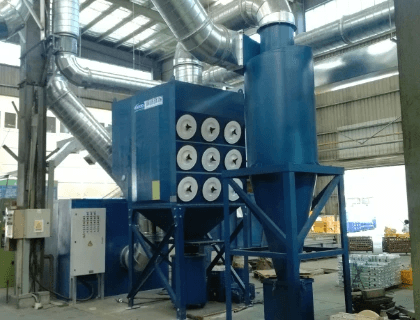
Overview of Dust Collection System Types
Industrial dust collection systems can be broadly categorized into several types: baghouse filters, cartridge collectors, and cyclone separators. Baghouse filters use fabric bags to trap dust particles, while industrial cartridge filters utilize pleated media for enhanced filtration efficiency. Cyclone separators leverage centrifugal force to separate larger particles from the air stream before they reach the main filtration system.
Each type of dust collection system has its pros and cons, depending on factors such as space availability and the nature of the dust being collected. For instance, baghouse systems are often favored for their high efficiency in capturing fine particulates but require more maintenance than cartridge systems. On the other hand, cyclone separators are excellent for pre-separation but may not capture very fine dust effectively on their own.
Understanding these differences is essential when choosing an industrial dust removal system that aligns with your operational requirements and budget constraints.
Selecting the Right System for Your Needs
Choosing the right industrial dust collection system involves evaluating several key factors specific to your application. First off, consider the type of material you’re dealing with—different materials may require specific filtration capabilities from your industrial filters. Additionally, think about airflow requirements; some systems perform better at higher volumes than others.
Next up is assessing space constraints in your facility; compact designs like cartridge collectors might be ideal for smaller operations where space is at a premium. Finally, don’t forget about maintenance costs—some systems demand more upkeep than others due to filter replacement frequency or cleaning methods required.
By carefully weighing these factors against your operational goals and budgetary limitations, you can confidently select an efficient dust collector that enhances productivity while minimizing downtime.
Designing an Effective Industrial Dust Removal System
Designing an effective industrial dust removal system requires a strategic approach that considers both current needs and future scalability options. Start by mapping out the layout of your workspace and identifying potential sources of airborne contaminants; this will help you determine optimal ductwork placement and airflow patterns essential for effective filtration through your chosen industrial dust collector filters.
Next, ensure that all components—from hoppers to fans—are appropriately sized to handle expected loads without overworking any part of the system; this will not only improve efficiency but also extend equipment lifespan significantly! Moreover, integrating pre-filters can enhance performance by capturing larger particles before they reach primary filters like cartridge or bag filters.
Finally, always plan for monitoring solutions that allow you to track performance metrics over time; this ensures that any inefficiencies can be quickly addressed before they escalate into costly issues down the line!
Essential Components of Dust Filters

In the world of industrial dust collection systems, the effectiveness of your dust filters hinges on several essential components. Understanding these elements can significantly enhance the performance of your industrial dust removal system, ensuring that it operates at peak efficiency while maintaining a safe working environment. Let's dive into the nitty-gritty details that make up these vital components.
Filter Media: Materials that Matter
The heart of any industrial dust collector filters lies in its filter media, which is responsible for capturing airborne particles. Common materials include fiberglass, polyester, and polypropylene, each offering unique benefits depending on the application and type of dust being filtered. Selecting the right filter media is crucial; it not only affects filtration efficiency but also influences airflow resistance and overall system performance in your dust collection system.
When choosing filter media for your industrial filters, consider factors such as chemical compatibility and temperature tolerance to ensure longevity and reliability. For instance, fiberglass filters are excellent for high-temperature applications but may not be suitable for corrosive environments. Ultimately, the right material will help maximize the lifespan of your industrial dust collection system while minimizing maintenance costs.
Cartridge Filters vs. Bag Filters
When it comes to filtering options in an industrial dust collector, you’ll often find yourself weighing cartridge filters against bag filters—both have their merits and ideal use cases within an industrial dust removal system. Cartridge filters are typically smaller and easier to replace than bag filters; they also offer higher filtration efficiency due to their larger surface area relative to size. This makes them a popular choice for applications requiring fine particle capture.
On the other hand, bag filters excel in handling larger volumes of air with high concentrations of particulates—ideal for heavy-duty operations where durability is paramount. However, they may require more space and can be more cumbersome during maintenance compared to their cartridge counterparts. Ultimately, deciding between cartridge and bag filters depends on specific operational needs and space constraints within your dust collection system.
The Role of Pre-filters and Final Filters
In any effective industrial dust collection system, pre-filters play a critical role by capturing larger particles before they reach the main filtration stage—this helps prolong the life of primary industrial filters by reducing their load. By acting as a first line of defense against coarse debris like wood chips or metal shavings, pre-filters enhance overall efficiency while minimizing downtime due to maintenance.
Final filters serve as the last barrier in this filtration process; they ensure that even microscopic particles are captured before clean air is discharged back into the environment or workplace atmosphere. This two-tiered approach not only maximizes air quality but also ensures compliance with safety regulations regarding airborne contaminants in various industries using an effective industrial dust removal system. By investing in both pre-filters and final filters, you can achieve superior performance from your entire setup while keeping operational costs down.
Maintenance and Care for Dust Collector Filters
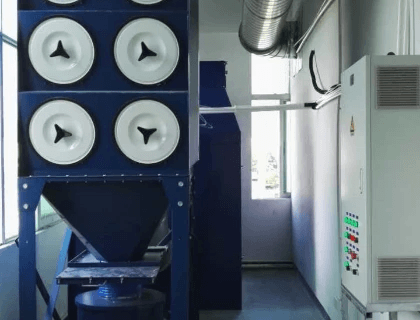
Maintaining your industrial dust collector filters is crucial for ensuring optimal performance and longevity of your dust collection system. A well-maintained filter not only improves air quality but also enhances the efficiency of the entire industrial dust removal system. By following best practices, you can extend the life of your filters and reduce operational costs.
Best Practices for Filter Maintenance
To keep your industrial dust collector filters in peak condition, regular inspections are essential. Schedule routine checks to assess filter integrity, looking for signs of wear or damage that could compromise their effectiveness. Additionally, adhering to a consistent cleaning schedule will help minimize dust buildup, ensuring that your dust collection system operates efficiently.
Utilizing the right cleaning methods is also vital; consider using compressed air or specialized cleaning equipment designed for industrial filters. Always refer to the manufacturer's guidelines when performing maintenance tasks to avoid inadvertently damaging the filters. Keeping a maintenance log can help track performance over time and identify any recurring issues with your industrial filters.
Indicators of Filter Failure
Recognizing the signs of filter failure early can save you from costly downtime and repairs in your dust collection system. Common indicators include increased pressure drop across the filter, visible leaks, or excessive dust accumulation in areas downstream of the filter unit. If you notice these symptoms, it may be time to investigate further before potential contamination spreads through your facility.
Another red flag is an unusual increase in energy consumption by your industrial dust removal system; this could indicate that clogged or damaged filters are forcing fans to work harder than necessary. Regular monitoring of airflow rates can also provide insights into filter performance; a sudden drop may signal that it's time for maintenance or replacement. Staying vigilant about these indicators ensures optimal operation and safety within your workspace.
Cleaning vs. Replacing Filters
When it comes to maintaining industrial cartridge filters, deciding whether to clean or replace them can be a tricky business—much like choosing between coffee and tea! Cleaning is often more cost-effective but must be done correctly; improper cleaning techniques can lead to damage or reduced efficiency over time. Conversely, if a filter has reached its saturation point or shows irreversible wear, replacement might be the only viable option.
To determine whether cleaning will suffice or if it's time for new industrial dust collector filters, assess factors such as age, material condition, and performance metrics from previous inspections. Always consult with manufacturer recommendations on how many times a specific type of filter can be cleaned effectively before replacement becomes necessary. Ultimately, balancing cost considerations with operational efficiency will guide you toward making informed decisions regarding your dust collection system's upkeep.
Innovations in Dust Filtration Technology

The world of industrial dust collector filters is evolving at a rapid pace, driven by advancements in technology and a growing emphasis on workplace safety and environmental sustainability. Innovations in dust filtration technology are not just about efficiency; they also focus on enhancing the performance of industrial dust collection systems while reducing operational costs. As industries continue to prioritize cleaner air and better working conditions, the demand for cutting-edge dust filters has never been higher.
Advances in Industrial Cartridge Filters
Industrial cartridge filters have seen significant advancements that enhance their efficiency and longevity. Modern designs incorporate advanced materials that improve filtration capabilities while maintaining low resistance to airflow, which is crucial for an effective dust collection system. These innovations allow industrial dust removal systems to capture finer particles more effectively, ensuring cleaner air quality without compromising the performance of the equipment.
Moreover, many new cartridge filters are designed with features that facilitate easier maintenance and replacement, making them more user-friendly for operators managing an industrial dust collection system. Some models now include self-cleaning mechanisms or are constructed from durable materials that extend their lifespan significantly compared to traditional options. This means businesses can rely on their industrial filters longer, leading to reduced downtime and lower overall costs.
NAROO’s Role in Dust Removal Innovations
NAROO has emerged as a key player in driving innovations within the realm of industrial dust collector filters. Their commitment to research and development has led to groundbreaking products that redefine standards for efficiency and effectiveness in dust filtration technology. By focusing on high-quality materials and innovative designs, NAROO's offerings enhance the performance of any industrial dust collection system they are integrated into.
One standout feature of NAROO's products is their ability to adapt to various applications across different industries, making them versatile solutions for diverse needs. Their advanced filter media not only captures harmful particulates but also ensures optimal airflow rates, which is essential for maintaining productivity levels within facilities using these systems. As companies increasingly recognize the importance of reliable partners like NAROO, they can feel confident investing in superior industrial cartridge filters that meet current demands.
Future Trends in Dust Collection Systems
Looking ahead, several trends are shaping the future landscape of industrial dust collection systems and filtration technologies. One notable trend is the integration of smart technologies into these systems—think IoT-enabled sensors that monitor filter performance in real-time! This data-driven approach allows operators to optimize maintenance schedules based on actual usage rather than estimates, ultimately leading to enhanced efficiency across all operations involving industrial dust collector filters.
Additionally, there’s a growing emphasis on sustainable practices within this field; manufacturers are exploring eco-friendly materials for filter construction while also designing systems that minimize waste generation during operation or disposal processes. This shift towards sustainability will likely influence how businesses select their suppliers and what types of products they choose moving forward—favoring those committed not just to performance but also environmental responsibility.
As we embrace these innovations together with trusted brands like NAROO, it’s clear that the future holds exciting possibilities for improving air quality through effective industrial dust removal systems.
Conclusion

In the world of industrial operations, the significance of selecting the right industrial dust collector filters cannot be overstated. The effectiveness of a dust collection system hinges on the filters used; they are the frontline defense against harmful particles that can compromise air quality and worker safety. By understanding your specific needs and application requirements, you can make an informed choice that enhances both efficiency and compliance with health regulations.
Choosing the Right Industrial Dust Filter
When it comes to choosing industrial dust collector filters, it's essential to consider factors such as filter type, material, and application suitability. Whether you opt for cartridge filters or bag filters, each has its unique advantages tailored to different industrial environments. Assessing your dust collection system's requirements will help ensure that you select filters capable of handling your specific dust load effectively.
Additionally, understanding the nature of the materials being filtered is crucial in making an optimal decision. For instance, if you're dealing with fine particulate matter or hazardous substances, investing in high-efficiency industrial filters may be necessary for compliance and safety standards. Ultimately, a well-chosen filter not only improves air quality but also extends the lifespan of your entire industrial dust removal system.
Maximizing Efficiency in Dust Removal Systems
Maximizing efficiency in your dust removal systems requires regular maintenance and monitoring of your chosen dust collector components. Implementing best practices for filter upkeep will ensure that your industrial dust collection system operates at peak performance while minimizing downtime due to clogging or inefficiencies. Regularly scheduled inspections can help identify any potential issues before they escalate into costly repairs or replacements.
Moreover, leveraging advancements in technology can also enhance operational efficiency significantly. Many modern industrial cartridge filters feature innovative designs that facilitate easier cleaning and longer service life—allowing for more effective filtration without frequent changes. By investing time and resources into optimizing these systems, businesses can achieve substantial savings while maintaining a clean working environment.
The Importance of Trusted Suppliers and Brands
When it comes to sourcing industrial dust collector filters, partnering with trusted suppliers is vital for ensuring quality and reliability in your filtration solutions. Established brands often provide extensive product lines backed by research and development efforts focused on innovation within the industry—leading to superior performance from their products over time. Investing in reputable brands means you're less likely to face unexpected failures or inefficiencies down the line.
Furthermore, reliable suppliers usually offer excellent customer support services which can be invaluable when navigating complex decisions related to choosing a suitable dust collection system or troubleshooting issues with existing setups. They often have resources available such as case studies or expert consultations that can guide you toward making informed choices tailored specifically to your operational needs. Ultimately, building relationships with trusted suppliers not only enhances filtration efficiency but also contributes positively to overall workplace safety.