

Introduction

In the world of manufacturing, metal dust collection is not just a matter of preference—it's a necessity. As industries increasingly recognize the dangers posed by airborne metal particles, understanding the unique needs of metal dust collection becomes paramount. Whether you're operating an industrial dust collector or exploring options for a new dust collection system, knowing how to effectively manage metal dust can significantly impact both safety and productivity.
Understanding Metal Dust Collection Needs
Metal dust can arise from various processes such as machining, grinding, and welding, leading to potential health hazards and equipment damage if not properly managed. The need for an efficient industrial dust removal system is critical in ensuring a safe working environment while maintaining compliance with regulations. By understanding the specific characteristics of metal dust—its particle size, composition, and behavior—you can better assess your requirements for an effective collector dust system.
Importance of Selecting the Right System
Choosing the right industrial dust collection system is akin to picking the right tool for a job; it makes all the difference in performance and efficiency. An inadequate or poorly designed system can lead to increased downtime, higher operational costs, and even safety violations. Therefore, investing time in selecting an appropriate collector that meets your specific needs will yield long-term benefits in terms of both functionality and cost-effectiveness.
Overview of Available Collection Methods
From baghouse filters that offer high filtration efficiency to cyclone collectors that separate larger particles effectively, each method has its own strengths and weaknesses. Understanding these available options allows you to make informed decisions about which type of industrial dust collector will best suit your operations while ensuring optimal performance in managing metal debris.
Types of Metal Dust Collection Systems

Industrial dust collectors are designed specifically for this purpose, ensuring that harmful particles are efficiently removed from the air. Understanding the various types of systems available is essential for selecting an effective industrial dust collection system that meets your specific needs.
Overview of Industrial Dust Collectors
Industrial dust collectors are robust systems designed to capture and filter out metal dust generated during manufacturing processes. These collectors play a crucial role in maintaining air quality and ensuring compliance with safety regulations. By utilizing advanced technologies, an industrial dust removal system can effectively manage large volumes of particulate matter, safeguarding both workers and equipment.
The effectiveness of an industrial dust collector often hinges on its design and the materials used in its construction. Many systems incorporate features such as multi-stage filtration and high-efficiency motors to enhance performance. Investing in a quality collector not only improves air quality but also contributes to overall operational efficiency by reducing downtime caused by equipment failure or maintenance issues.
What Are Baghouse Filters?
Baghouse filters are a popular choice within metal dust collection systems due to their high efficiency in capturing fine particles. These filters consist of numerous fabric bags that trap dust as air passes through them, allowing for clean air to be released back into the environment. The design enables easy cleaning, either through mechanical shaking or reverse airflow, making it a practical option for continuous operations.
One significant advantage of baghouse filters is their ability to handle varying particle sizes effectively, which is particularly beneficial in industries where metal dust can differ greatly depending on the process used. Additionally, these filters can be tailored with different fabrics based on temperature or chemical exposure requirements, enhancing their versatility within an industrial setting. This adaptability makes baghouse filters a go-to solution for many businesses seeking reliable performance from their dust collection system.
Comparing Cyclone Collectors
Cyclone collectors offer another effective method for metal dust collection by utilizing centrifugal force to separate particles from airflow without relying heavily on filter media. In this system, incoming air spins rapidly within a cylindrical chamber, causing heavier particles to be thrown against the walls and collected at the bottom while cleaner air exits through an outlet at the top. This design minimizes maintenance needs since there are no filter bags that require regular replacement.
While cyclone collectors excel at handling larger particles and higher volumes of airflow, they may not capture finer particulates as efficiently as baghouse filters do; hence they are often used as pre-collectors before finer filtration systems like baghouses or cartridge filters come into play in an industrial setup. The choice between cyclone collectors and other types largely depends on your specific application requirements—considering factors like particle size distribution and required cleanliness levels is key when selecting your ideal industrial dust collection system.
Evaluating Dust Collector Filters

When it comes to metal dust collection, the efficiency of your dust collector filter is paramount. A high-performing filter not only captures harmful particles but also ensures compliance with safety regulations and improves air quality in your facility. In the world of industrial dust collection systems, understanding filter efficiency can save you from costly downtime and health hazards.
Importance of Filter Efficiency
Filter efficiency is a critical factor in any dust collection system, especially when dealing with fine metal particles that can easily escape capture. The higher the efficiency rating, the more effective the collector dust system will be at trapping those pesky particles before they enter the atmosphere. This is essential for maintaining a safe work environment and prolonging the lifespan of your industrial dust collector.
Moreover, an efficient filter minimizes energy consumption by reducing airflow resistance, which translates into lower operational costs for your industrial dust removal system. When selecting a filter, consider its performance metrics like MERV (Minimum Efficiency Reporting Value) ratings; higher ratings indicate better filtration capabilities. Ultimately, investing in high-efficiency filters pays off by enhancing productivity and ensuring compliance with environmental standards.
Types of Filters for Metal Dust
When it comes to choosing filters for metal dust collection, you have several options tailored to specific needs within your industrial settings. Common types include baghouse filters, cartridge filters, and HEPA filters—each designed to tackle different particle sizes and types effectively. Baghouse filters are particularly popular due to their ability to handle large volumes of metal dust while maintaining excellent filtration efficiency.
Cartridge filters are another great option; they offer compact designs with high surface areas that allow them to capture fine metal particulates efficiently while requiring less maintenance than traditional baghouse systems. On the other hand, HEPA filters excel at capturing ultra-fine particles that may pose health risks if inhaled—ideal for applications where air quality is paramount. Understanding these options will help you make informed decisions about your industrial dust collection strategy.
Choosing the Right Filter for Your System
Selecting the right filter for your metal dust collection system involves considering various factors including particle size distribution, airflow requirements, and operational conditions specific to your industry. Start by assessing the type of metal dust generated in your processes; this will guide you toward suitable filter types that can effectively trap those particulates without compromising airflow or system performance.
Next, evaluate compatibility with existing equipment—some collectors work better with certain types of filters than others due to design specifications or operational parameters inherent in various industrial dust collection systems. Lastly, don’t forget about maintenance requirements; some filters require more frequent changes or cleaning than others which could impact overall operational costs over time.
By carefully evaluating these aspects and understanding how each type fits into your overall strategy for effective industrial dust removal systems, you'll be well-equipped to choose a collector filter that enhances both productivity and safety in your facility.
Customized Solutions for Unique Industries

In the realm of industrial operations, one size does not fit all—especially when it comes to metal dust collection. Different industries generate varying types of dust that require tailored solutions to ensure safety and efficiency. Understanding the unique challenges faced by sectors like aerospace and automotive is crucial for designing effective dust collection systems.
Tailoring to Aerospace and Automotive
The aerospace and automotive industries are known for their stringent standards regarding safety and cleanliness, making specialized metal dust collection systems essential. In these sectors, the type of metal dust generated can vary significantly, from aluminum shavings in aerospace manufacturing to steel particles in automotive production. A well-designed industrial dust collector must account for these differences, employing advanced filtration technologies that meet regulatory requirements while optimizing performance.
Moreover, customization goes beyond just filtering; it involves integrating the collector dust system seamlessly into existing workflows. For instance, an industrial dust removal system designed for an automotive assembly line might need to be compact yet powerful enough to handle high volumes of fine particles without disrupting production flow. By tailoring solutions specifically for these industries, companies can enhance operational efficiency while ensuring compliance with environmental standards.
NAROO's Role in Specialized Applications
NAROO has carved a niche in providing customized metal dust collection solutions that cater specifically to specialized applications within various industries. With a deep understanding of the unique challenges posed by different types of metal dust, NAROO collaborates closely with clients to develop tailored industrial dust collection systems that address their specific needs effectively. Their expertise extends beyond standard offerings; they design bespoke systems that incorporate advanced technologies and materials suited for demanding environments.
One standout feature of NAROO's approach is their commitment to innovation in filter technology within their collectors. By utilizing high-efficiency filters designed explicitly for metal particles, they ensure optimal performance while minimizing downtime due to maintenance or replacements. This level of customization not only enhances productivity but also contributes significantly to a cleaner working environment—a win-win scenario for any industry reliant on precision manufacturing.
Case Studies of Successful Implementations
To illustrate the effectiveness of customized solutions in metal dust collection, let’s delve into some case studies showcasing successful implementations by NAROO across various sectors. In one instance, an aerospace manufacturer faced challenges with aluminum shavings clogging their existing collectors—leading to frequent downtimes and increased operational costs. NAROO stepped in with a specialized industrial dust removal system featuring enhanced airflow dynamics and advanced filtration technology tailored specifically for aluminum particles, resulting in a dramatic reduction in maintenance needs and improved air quality.
Another compelling case involved an automotive plant struggling with fine steel particulate matter affecting both worker safety and equipment longevity. NAROO developed a robust collector system equipped with high-efficiency filters capable of capturing even the smallest particles without sacrificing airflow rates or energy efficiency. The implementation led not only to improved workplace conditions but also significant cost savings over time due to reduced wear on machinery from airborne contaminants.
Through these case studies, it's clear that investing in customized metal dust collection solutions pays dividends across various industries—demonstrating how tailored approaches lead directly to enhanced productivity and compliance with health standards.
Maintaining Your Dust Collection System

Keeping your dust collection system in tip-top shape is essential for ensuring efficient operation and longevity. Regular maintenance not only helps in optimizing performance but also minimizes the risks associated with metal dust collection, such as fire hazards or equipment failure. By investing time and resources into maintenance, you can prevent costly downtimes and ensure a cleaner working environment.
Regular Maintenance Practices
Implementing regular maintenance practices is crucial for any industrial dust collector. Start by routinely checking the dust collector filter for clogs or damage; a clean filter ensures optimal airflow and efficiency in your industrial dust removal system. Additionally, inspect all components of your dust collection system, including fans, ductwork, and hoppers, to catch any potential issues before they escalate.
Another vital practice is to schedule periodic cleaning of the entire system to remove accumulated metal dust that could hinder performance. Keeping an eye on the pressure gauges will help you monitor filter conditions and airflow rates; significant changes could indicate that your collector needs attention. Lastly, document all maintenance activities to track trends over time—this will give you insights into when parts may need replacement or servicing.
Signs Your Collector Needs Attention
Recognizing when your industrial dust collection system needs attention can save you from bigger headaches down the line. If you notice a drop in suction power or increased pressure readings on gauges, it’s likely time to inspect your collector filters immediately; these are clear indicators that something isn’t functioning as it should be. Additionally, unusual noises coming from the fan or motor can signal mechanical issues that require prompt investigation.
Another sign is excessive buildup of metal dust around the collector area; this not only suggests inefficiency but also poses safety risks such as fires or explosions if left unchecked. If you find yourself frequently emptying collection bins or experiencing frequent filter changes, it might be time to evaluate whether your current setup meets your operational demands effectively. Staying vigilant about these signs ensures that your industrial dust removal system operates smoothly without unnecessary interruptions.
Extending the Lifespan of Your System
To extend the lifespan of your metal dust collection system, proactive care is key! First off, ensure that you're using high-quality filters suited for metal particles; this will reduce wear on other components while enhancing overall efficiency in your industrial dust collector setup. Regularly scheduled professional inspections can identify weaknesses before they become major problems—think of it as a health checkup for your equipment!
Moreover, consider investing in advanced monitoring technologies that can provide real-time data about airflow rates and filter conditions; knowing exactly how well (or poorly) things are running allows for timely interventions when necessary. Don’t forget about training staff on proper usage and maintenance practices—the more knowledgeable they are about keeping the system running smoothly, the better its longevity will be!
Cost Considerations and Budgeting
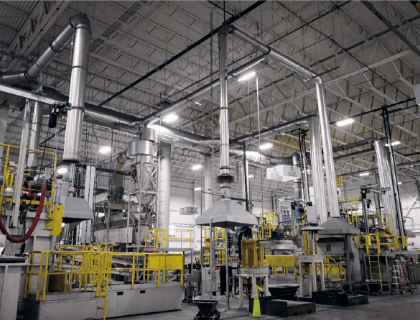
When investing in a metal dust collection system, it's crucial to weigh the initial costs against potential long-term savings. An industrial dust collector may require a significant upfront investment, but the benefits of improved air quality, reduced health risks, and compliance with safety regulations can lead to substantial savings over time. Additionally, an efficient dust collection industrial system can minimize equipment wear and tear, further enhancing your bottom line.
Initial Investment vs. Long-term Savings
The initial investment in an industrial dust collection system can be daunting, especially for small to medium-sized businesses. However, understanding that this cost is often offset by long-term savings is essential for making an informed decision. Over time, effective metal dust removal systems reduce maintenance costs and improve worker productivity by creating a safer workplace environment.
Hidden Costs in Dust Collection Systems
While budgeting for a dust collector filter or an entire industrial dust collector setup, it’s easy to overlook hidden costs that can sneak up on you later down the line. These may include expenses related to replacement filters, energy consumption of the system during operation, and even downtime due to maintenance or repairs. By accounting for these potential hidden costs when planning your budget for a dust collection industrial setup, you’ll be better prepared for any financial surprises.
Financing Options for Industrial Systems
Financing options are available for those looking to invest in an industrial dust removal system without straining their budgets too much upfront. Many manufacturers offer financing plans or leasing options that allow companies to spread out payments over time while still benefiting from improved air quality and compliance with safety standards right away. Exploring these financing solutions can make adopting advanced metal dust collection technology more manageable and less intimidating.
Conclusion

In the world of industrial operations, choosing the right metal dust collection system is paramount for efficiency and safety. With various types available, understanding your specific needs can guide you toward a collector that not only meets regulatory standards but also enhances productivity. As we move forward, staying informed about advancements in dust collection technology will ensure your operations remain competitive.
Key Factors in Choosing a Collector
When selecting an industrial dust collector, several key factors come into play. First and foremost is the type of metal dust generated; different materials may require specialized filtration methods to ensure effective removal. Additionally, considering the size and layout of your facility can greatly influence which dust collection industrial system will work best for you.
Another critical aspect is filter efficiency; a high-quality dust collector filter can significantly reduce airborne contaminants and improve air quality within your workspace. It's also essential to evaluate maintenance requirements and operational costs, as these factors contribute to the overall effectiveness of your industrial dust removal system. Ultimately, making an informed decision will lead to enhanced safety and compliance in your workplace.
Future Trends in Dust Collection Technology
The future of metal dust collection technology looks promising with innovations on the horizon aimed at improving efficiency and sustainability. One emerging trend is the integration of smart technology into industrial dust collectors; these systems utilize sensors to monitor performance in real-time, ensuring optimal operation without unnecessary downtime. This shift towards automation not only enhances productivity but also allows for proactive maintenance practices that extend equipment lifespan.
Moreover, advancements in filtration materials are paving the way for more effective collectors that minimize energy consumption while maximizing capture rates for fine particles. The focus on eco-friendly solutions is gaining traction as industries aim to meet stricter environmental regulations while maintaining operational effectiveness. Staying ahead of these trends will be crucial for companies looking to invest wisely in their industrial dust collection systems.
NAROO’s Commitment to Sustainable Solutions
NAROO stands at the forefront of providing innovative solutions tailored specifically for metal dust collection needs across various industries. Our commitment extends beyond just selling equipment; we strive to offer sustainable solutions that align with our clients' environmental goals while ensuring compliance with industry standards. By focusing on customized systems designed for unique applications, NAROO has successfully implemented numerous projects that highlight our dedication to excellence.
Through partnerships with diverse sectors such as aerospace and automotive manufacturing, we've demonstrated how an effective industrial dust collection system can enhance operational efficiency while promoting cleaner air quality. Our case studies showcase tangible results achieved through our advanced technologies and exceptional service support—proof that investing in a reliable collector pays off both financially and environmentally over time.
As we look ahead, NAROO remains committed to pushing boundaries by developing cutting-edge solutions that not only meet today’s challenges but anticipate tomorrow’s needs in metal dust collection.