

Introduction
In the world of industrial and workshop environments, maintaining clean air is paramount for health and efficiency. Enter the cyclonic dust collector, a powerful solution designed to capture and remove airborne particles effectively. With its unique design and operation, this dust extractor stands out as an ideal choice for many applications.
Understanding Cyclonic Dust Collectors
Cyclonic dust collectors operate on a simple yet effective principle: they utilize centrifugal force to separate dust from the air stream. As air enters the cyclone chamber, it spirals downwards, causing heavier particles to be thrown against the chamber walls and collected at the bottom. This method not only enhances dust separation but also minimizes filter clogging, making it a preferred option over traditional collector dust systems.
Why Choose a Cyclone Dust Collector
Choosing a cyclone dust collector means opting for efficiency and reliability in your dust management system. These systems offer superior airflow and suction efficiency compared to conventional models, ensuring that even fine particulates are captured effectively. Additionally, their low maintenance requirements make them an economical choice for businesses looking to invest in long-term air quality solutions.
Applications of Cyclonic Dust Collectors
From woodworking shops to metal fabrication facilities, cyclonic dust separators are versatile tools that can adapt to various industrial needs. They excel in environments where large volumes of debris are generated, such as construction sites or manufacturing plants. Furthermore, with options like HEPA filter dust extractors available, these systems can cater to industries requiring stringent air quality standards.
What is a Cyclonic Dust Collector

A cyclonic dust collector is a sophisticated system designed to separate dust and debris from the air using centrifugal force. Unlike traditional dust collectors that rely on filters, these innovative systems utilize cyclonic action to efficiently capture particles, making them a preferred choice in various industrial settings. Understanding how these systems work can help you appreciate their effectiveness in maintaining clean and safe environments.
The Basics of Dust Collection
Dust collection is essential in any workspace where particulate matter is generated, particularly in woodworking, metalworking, and construction industries. A collector dust system helps mitigate health risks associated with inhaling harmful dust particles while also protecting equipment from damage caused by debris accumulation. In essence, a reliable dust extractor ensures that your workspace remains clean and productive by removing unwanted contaminants from the air.
How Cyclonic Action Works
Cyclonic action refers to the process where air and particles are spun rapidly within a cyclone chamber, creating a powerful vortex. This motion forces heavier particles to the outer walls of the cyclone chamber, allowing them to fall into a collection bin while cleaner air exits through the top or side of the unit. The efficiency of this process is what sets cyclone dust collectors apart from traditional methods; they can handle larger volumes of air and separate finer particles without clogging filters.
Advantages Over Traditional Dust Collectors
One significant advantage of using a cyclone dust collector over traditional systems is its ability to maintain airflow without frequent filter changes or replacements. Cyclone dust separators are designed to handle high volumes of material while minimizing maintenance downtime, which translates into increased productivity for users. Furthermore, many modern designs incorporate HEPA filter dust extractors that capture even the smallest airborne particles, ensuring superior air quality in your workspace compared to conventional models.
Key Components of a Cyclone Dust Collector
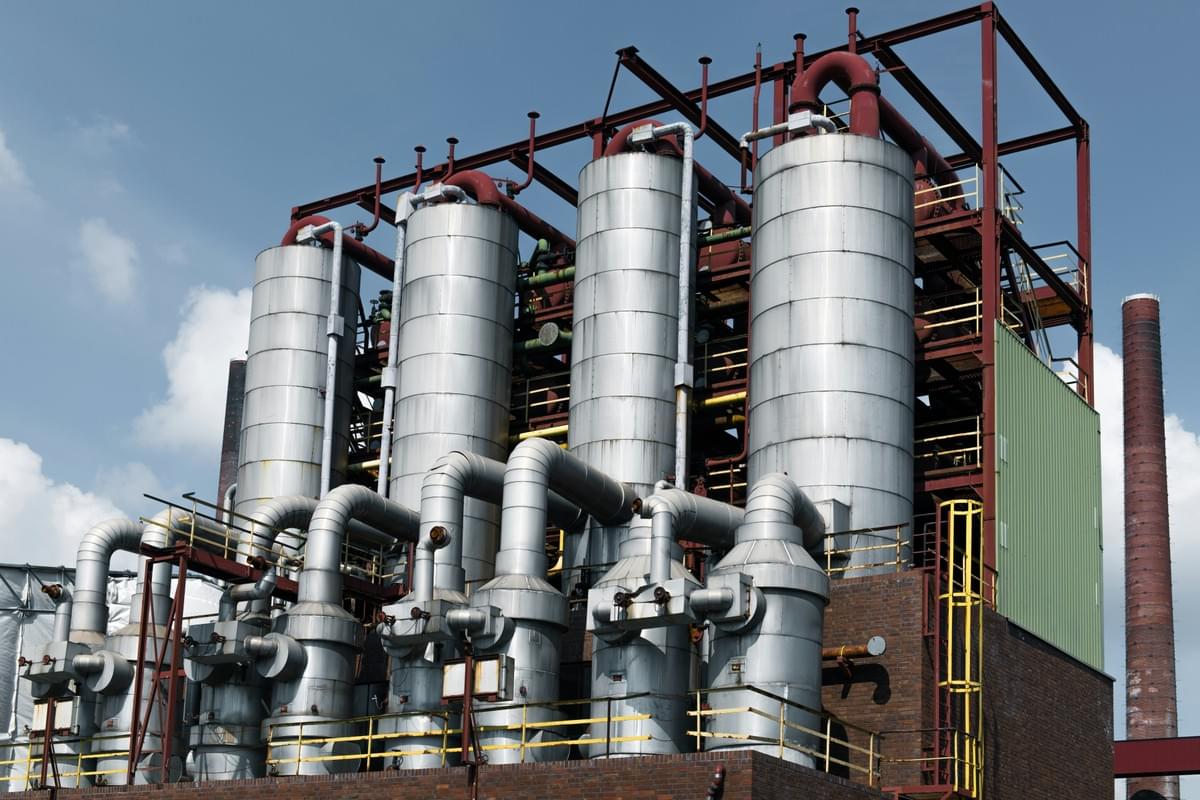
Understanding the key components of a cyclonic dust collector is essential for optimizing its performance. Each part plays a vital role in ensuring efficient dust extraction, contributing to cleaner air and improved workplace safety. Let's delve into the primary elements that make up these powerful dust collectors.
The Role of the Cyclone Chamber
The cyclone chamber is the heart of any cyclone dust collector, where the magic happens. This cylindrical structure allows for the creation of a spiraling airflow that effectively separates dust particles from the air stream. As air enters the chamber, centrifugal force pushes heavier particles toward the wall, causing them to fall into a collection bin while clean air exits through the top.
This unique design makes cyclonic dust collectors more efficient than traditional systems, as they can handle larger volumes of debris without clogging. The size and shape of the cyclone chamber can vary depending on specific applications, but its fundamental purpose remains unchanged: to maximize dust separation while minimizing maintenance needs. Ultimately, an effective cyclone chamber ensures that your collector dust system operates at peak performance.
Importance of Inlet Design
Inlet design is another crucial aspect that significantly influences how well a cyclonic dust collector performs. A well-designed inlet helps direct airflow smoothly into the cyclone chamber while minimizing turbulence and loss of suction efficiency. If not properly designed, an inlet can create dead spots or restrict airflow, leading to reduced separation rates and increased wear on your equipment.
Moreover, different applications may require varying inlet configurations to accommodate various materials being collected by your dust vacuum system. Whether it’s wood chips in a workshop or fine powders in an industrial setting, tailoring your inlet design can enhance overall functionality and effectiveness. Remember that investing time in optimizing your inlet design pays off with improved performance from your cyclone dust separators.
The Function of the HEPA Filter Dust Extractor
While cyclonic action does an excellent job at separating larger particles from airflow, incorporating a HEPA filter dust extractor adds another layer of filtration for finer particles. HEPA filters are designed to capture 99.97% of particles as small as 0.3 microns in diameter—making them essential for maintaining high air quality standards in sensitive environments such as laboratories or woodworking shops.
In this context, a HEPA filter acts as a final barrier before clean air re-enters your workspace or environment after passing through your cyclonic dust collector system. By integrating this advanced filtration technology with traditional cyclone designs, you ensure that even microscopic contaminants are removed from circulating air—keeping both workers safe and machinery running smoothly over time! Ultimately, adding a HEPA filter enhances both functionality and safety within any setup utilizing collector dust systems.
Performance Factors of Cyclonic Dust Collectors

A well-designed dust collector can significantly improve air quality and operational efficiency in various settings, from workshops to industrial environments. Understanding these factors will help you make an informed decision when investing in a cyclone dust collector.
Airflow and Suction Efficiency
Airflow and suction efficiency are critical metrics for any dust extractor, especially for cyclonic dust collectors. These systems rely on powerful airflow to effectively capture and separate particles from the air stream, ensuring that your workspace remains clean and safe. A high-quality cyclone dust separator will provide optimal suction, allowing it to handle larger volumes of debris without losing performance.
In practical terms, this means that a well-optimized cyclonic dust collector can maintain its suction power even as the filter accumulates dust. This is essential for ensuring consistent operation over time, reducing the frequency of maintenance and filter changes. The result is not just cleaner air but also a more productive work environment where workers can focus on their tasks without distraction.
Dust Separation Rates
Another vital aspect of cyclonic dust collectors is their ability to achieve high dust separation rates. This refers to how effectively the system can capture particles of various sizes before they reach the HEPA filter dust extractor or other downstream components. An efficient cyclone design maximizes centrifugal force, allowing larger particles to be separated from the airflow before they reach any filters.
High separation rates mean less strain on your filters and longer-lasting performance for your collector dust system overall. With fewer particles passing through the HEPA filter, you’ll enjoy better filtration efficiency and reduced maintenance costs in the long run. Therefore, selecting a cyclone dust collector with proven separation capabilities ensures that you're investing wisely in both productivity and air quality.
Maintenance and Longevity
Maintenance is often overlooked but plays a crucial role in determining how long your cyclonic dust collector will last. Regular upkeep ensures that all components function optimally; neglecting this can lead to decreased performance over time, ultimately costing you more money than anticipated. Fortunately, many modern cyclone systems are designed with easy access points for routine checks and cleaning.
Moreover, investing in a quality cyclone dust separator means you’re likely getting a durable product built to withstand rigorous use over years or even decades. With proper care—like regularly emptying collection bins and checking seals—you'll maximize both longevity and effectiveness of your system while minimizing downtime due to repairs or replacements. Ultimately, selecting a reliable cyclonic design contributes significantly to maintaining productivity levels in any workspace.
Types of Cyclone Dust Separators

Cyclone dust separators come in different configurations and capacities, each tailored for particular applications. From single systems ideal for smaller workshops to multi-cyclone setups designed for industrial use, there’s a solution for every dust collection challenge.
Single vs. Multi-Cyclone Systems
Single cyclone dust collectors are perfect for small to medium-sized operations where space is at a premium and the volume of dust produced is manageable. They effectively capture larger particles through cyclonic action, making them an efficient choice for hobbyists or small businesses. On the other hand, multi-cyclone systems are engineered for heavy-duty applications, allowing simultaneous processing of larger volumes of air and dust—ideal for factories and woodworking shops that generate significant debris.
The difference between these two types lies primarily in their efficiency and capacity; while single units can handle moderate workloads effectively, multi-cyclones excel in separating finer particles and enhancing overall suction power. If you're considering investing in a collector dust system, weigh the scale of your operations against your need for efficiency and maintenance requirements. Ultimately, choosing between single and multi-cyclone systems boils down to assessing your specific needs and how much dust you expect to extract.
Portable Dust Collectors vs. Stationary Systems
Portable cyclone dust collectors offer unmatched flexibility, allowing users to move them around as needed within their workspace—perfect for job sites or home workshops where mobility is key. These compact models often come with built-in wheels or handles, making it easy to position them wherever you need effective dust extraction most urgently. However, if you're running a large-scale operation or have designated areas that generate consistent amounts of debris, stationary systems may be more beneficial due to their higher capacity and performance capabilities.
Stationary systems typically feature more robust construction designed to handle continuous operation while providing superior airflow rates compared to their portable counterparts. They often integrate seamlessly into existing setups with ductwork designed specifically to optimize air movement throughout the facility—making them indispensable in industrial settings where maintaining air quality is crucial. The choice between portable and stationary models ultimately hinges on your workspace dynamics: flexibility versus performance.
Specialty Systems for Unique Applications
Not all environments are created equal; that's where specialty cyclone dust separators come into play! These tailored solutions address unique challenges posed by specific industries or processes—think food processing plants needing stringent hygiene standards or metal fabrication shops dealing with fine particulate matter that standard models might struggle with effectively capturing. Specialty systems often incorporate advanced features like HEPA filter dust extractors that ensure even the tiniest particles are removed from the air stream.
Investing in Quality: NAROO Dust Collectors
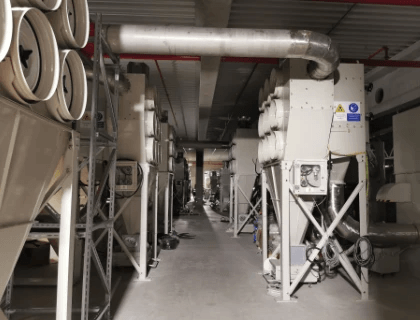
When it comes to selecting a cyclonic dust collector, quality matters. NAROO Dust Collectors have positioned themselves as a leader in the field, offering innovative solutions that combine efficiency with cutting-edge technology. Their commitment to creating high-performing dust extractors ensures that users get the best possible experience while maintaining clean air.
NAROO's Innovative Technology
NAROO's approach to dust collection is nothing short of revolutionary. Their cyclonic dust collectors utilize advanced cyclone dust separators designed to maximize airflow while minimizing energy consumption. With features like adjustable suction power and integrated HEPA filter dust extractors, these systems not only capture fine particles but also enhance the overall effectiveness of any dust vacuum setup.
Moreover, NAROO's innovative technology allows for seamless integration into various applications, making their collector dust systems versatile for both industrial and home use. The design prioritizes user-friendliness, ensuring that maintenance is straightforward and hassle-free. By investing in NAROO's products, you’re choosing a brand that consistently pushes the boundaries of what's possible in dust collection technology.
Commitment to Air Quality and Safety
NAROO understands that air quality is paramount in any workspace—especially those involving heavy machinery or fine particulate matter. This commitment drives their development of high-efficiency cyclone dust collectors equipped with HEPA filters that trap even the smallest hazardous particles. As a result, users can enjoy cleaner air without compromising on performance or safety.
In addition to effective filtration, NAROO emphasizes durability in their designs, ensuring long-lasting performance under demanding conditions. Their dedication extends beyond just product quality; they actively promote safe working environments by providing comprehensive training resources on proper usage and maintenance of their systems. With NAROO Dust Collectors, you can trust that your health and safety are prioritized.
Industry Recognition and Achievements
NAROO has garnered significant recognition within the industry for its outstanding contributions to air quality management through effective cyclonic dust collectors. Numerous awards highlight their innovations in design and functionality, setting them apart from competitors who may not prioritize efficiency as highly as they do. This acknowledgment from peers reinforces NAROO’s reputation as a trusted name among professionals seeking reliable collector dust solutions.
Furthermore, customer testimonials frequently praise the effectiveness of their cyclone dust separators in real-world applications—from woodworking shops to construction sites—demonstrating how well these systems perform under pressure. As more industries recognize the importance of maintaining clean air standards, brands like NAROO are leading the charge with innovative approaches tailored for modern needs. Investing in a NAROO Dust Collector means aligning yourself with an industry leader committed to excellence in every aspect.
Conclusion

In the world of dust collection, cyclonic dust collectors stand out for their efficiency and effectiveness. These systems not only capture particles but also enhance air quality, making them a smart choice for various applications. By investing in a cyclone dust collector, users can enjoy cleaner workspaces and improved health outcomes.
Benefits of Using Cyclone Dust Collectors
Cyclone dust collectors offer numerous advantages over traditional systems, chief among them being their superior dust separation capabilities. The cyclonic action efficiently spins the air, allowing larger particles to settle while finer debris is filtered out by HEPA filter dust extractors. This results in a cleaner environment and less frequent maintenance of the collector dust system.
Another notable benefit is energy efficiency; many cyclone dust separators require less power to operate compared to conventional models. This translates into lower operating costs without sacrificing performance or effectiveness in capturing airborne contaminants. Moreover, their robust design often leads to increased longevity, making them a wise investment for any workspace.
Choosing the Right Dust Collector for Your Needs
Selecting the ideal dust collector involves understanding your specific requirements and application settings. For instance, if portability is essential, consider a portable dust vacuum that can easily be moved between work areas without hassle. Conversely, stationary cyclone systems may be more suitable for larger operations where space is dedicated solely to dust extraction.
It's also crucial to evaluate factors such as airflow rate and suction efficiency when choosing your cyclonic dust collector. Systems equipped with high-performance HEPA filters will ensure even the smallest particles are captured effectively while maintaining optimal airflow throughout your workspace. Ultimately, aligning your choice with both operational needs and budget constraints will yield the best results.
Future Trends in Dust Collection Technology
The future of dust collection technology is poised for exciting advancements as industries increasingly prioritize air quality and worker safety. Innovations such as smart sensors integrated into cyclone dust collectors will provide real-time monitoring of performance metrics like airflow rates and filter conditions, ensuring optimal operation at all times.
Additionally, eco-friendly materials are becoming more prevalent in the manufacturing of collector dust systems as sustainability takes center stage across various sectors. As these trends unfold, we can expect even greater efficiencies from cyclone dust separators that not only meet regulatory standards but also contribute positively to environmental goals.