

Introduction

In the world of industrial operations, dust collection is not just a regulatory requirement; it's a fundamental aspect of maintaining a safe and efficient workspace. Dust collection filter bags play a pivotal role in this process, ensuring that harmful particulates are captured before they can wreak havoc on both equipment and employee health. As industries evolve, the importance of effective dust management only grows, making it essential to understand how these systems work and what options are available.
The Importance of Dust Collection
Dust collection is vital in various industrial settings where airborne particles can pose serious risks to health and safety. Without proper dust collector systems in place, workers may be exposed to harmful substances that could lead to respiratory issues or other health complications. Moreover, neglecting effective bag filtration can result in equipment damage, increased maintenance costs, and reduced operational efficiency—issues no business wants to face.
How Filter Bags Enhance Efficiency
Filter bags are the unsung heroes of dust collector systems; they enhance efficiency by capturing fine particles that would otherwise escape into the environment. By utilizing high-quality dust collector filter bags, businesses can ensure optimal airflow while minimizing pressure drops within their systems. This balance not only improves overall performance but also extends the lifespan of machinery involved in industrial processes.
Choosing the Right Bag for Your Needs
Selecting the appropriate dust collection filter bags requires careful consideration of several factors to meet specific operational needs effectively. From material composition to size compatibility with existing collector dust systems, each choice impacts performance significantly. Businesses must evaluate their unique requirements and consult with experts if necessary to ensure they invest in bag filtration solutions that provide maximum efficiency and longevity.
Understanding Dust Collection Filter Bags

Dust collection filter bags are the unsung heroes of industrial cleanliness, playing a vital role in maintaining air quality and equipment longevity. These specialized bags are designed to capture dust and particulate matter, ensuring that the environment remains safe for workers while protecting machinery from harmful debris. In essence, they are essential components of an effective dust collector system, making them indispensable in various industrial settings.
What Are Dust Collection Filter Bags?
Dust collection filter bags are fabric containers specifically engineered to trap particles generated during manufacturing processes or other industrial activities. Typically made from durable materials like polyester or polypropylene, these bags can withstand the rigors of continuous use while effectively filtering out harmful dust and particulates. The design and construction of dust collector filter bags vary based on their intended application, but they all share the common goal of providing efficient bag filtration.
How They Work in Dust Collectors
In a dust collector system, filter bags work by creating a barrier through which air passes while trapping unwanted particles within their fabric fibers. As air is drawn into the collector dust unit, it flows through these filter bags, allowing clean air to exit while retaining contaminants inside. This process not only protects equipment but also enhances overall efficiency by preventing excessive buildup of dust that could lead to mechanical failures or safety hazards.
Types of Dust Collector Filter Bags
There is a diverse range of dust collector filter bags available on the market today, each tailored for specific applications and types of collected materials. Common types include pleated filter bags that offer increased surface area for better filtration efficiency and shaker-style bags designed for ease of maintenance in industrial environments. Additionally, some filters are treated with special coatings to enhance their performance against specific types of dust or chemical exposure—making it crucial to choose the right bag filtration solution for your needs.
Industrial Applications of Dust Collector Bags

From manufacturing to woodworking, these bags are pivotal in controlling air quality and minimizing health risks associated with airborne particles. Understanding the industrial applications of dust collector bags can help businesses optimize their operations while ensuring compliance with safety regulations.
Key Industries Utilizing Bag Filtration
Bag filtration is a cornerstone technology in numerous sectors, including pharmaceuticals, food processing, and metalworking. In the pharmaceutical industry, dust collection filter bags help maintain sterile environments by capturing fine particulate matter that could compromise product integrity. Similarly, in food processing plants, these industrial filters ensure that contaminants are removed from the air to protect both workers and consumers from potential hazards.
Metalworking industries also rely heavily on dust collector bags to manage metal shavings and other particulates generated during machining processes. The automotive sector utilizes bag filtration systems to enhance safety by reducing flammable dust accumulation around equipment. With such diverse applications, it's evident that effective dust collection is crucial for operational efficiency across many fields.
Advantages of Dust Collection in Manufacturing
The advantages of implementing effective dust collector systems are manifold and can significantly impact manufacturing efficiency. First and foremost, utilizing high-quality dust collection filter bags reduces the risk of respiratory issues among workers by improving air quality within the facility. This not only fosters a healthier workplace but also enhances employee morale and productivity as they work in cleaner conditions.
Moreover, efficient bag filtration minimizes equipment wear and tear caused by accumulated dust particles around machinery. By keeping machinery cleaner, businesses can extend equipment lifespan while reducing maintenance costs associated with frequent repairs or replacements. Ultimately, investing in robust dust collector systems translates into long-term savings for manufacturers while ensuring compliance with environmental regulations.
Case Studies of Successful Implementation
Several companies have successfully implemented advanced bag filtration systems that showcase the benefits of effective dust management strategies. For instance, a leading automotive parts manufacturer adopted state-of-the-art dust collector filter bags to address significant airborne particulate issues within their production line. As a result of this upgrade, they reported a 40% reduction in airborne contaminants and improved overall worker satisfaction due to enhanced air quality.
Another notable example comes from a woodworking facility that integrated innovative industrial filters into their existing setup for better wood chip management during cutting processes. The introduction of high-efficiency dust collection filter bags led to improved visibility on the shop floor and reduced cleanup time by 60%. These case studies highlight how investing in reliable bag filtration solutions not only solves immediate challenges but also contributes positively to overall operational efficiency.
NAROO and Innovative Filter Solutions

Their innovative approach to dust collector dust management combines advanced materials with smart engineering, ensuring that industries can maintain optimal air quality while boosting operational efficiency. With a focus on durability and performance, NAROO's solutions are designed to meet the diverse needs of various industrial applications.
Overview of NAROO's Technology
NAROO utilizes state-of-the-art materials in their dust collection filter bags, ensuring superior filtration capabilities that trap even the finest particles. Their proprietary technology enhances airflow while minimizing pressure drops, which is crucial for maintaining the efficiency of dust collectors in industrial settings. This means that not only do you get cleaner air, but your equipment also runs smoother and lasts longer.
Benefits of NAROO Dust Collection Systems
One of the standout benefits of NAROO's dust collection systems is their ability to significantly reduce maintenance costs associated with traditional collector dust methods. By employing high-performance filter bags that boast increased durability and longer service life, businesses can enjoy fewer replacements and less downtime. Moreover, these advanced systems contribute to better overall air quality in industrial environments, promoting healthier workplaces for employees.
Customer Success Stories with NAROO
Numerous companies across various sectors have experienced remarkable improvements after integrating NAROO’s innovative filter solutions into their operations. For instance, a major manufacturing plant reported a 30% reduction in airborne particulate levels after switching to NAROO's dust collector filter bags—an impressive feat that underscored the effectiveness of bag filtration technology in real-world scenarios. Such success stories not only highlight the efficacy of NAROO’s products but also demonstrate how investing in quality dust collection systems can lead to significant operational benefits.
Factors to Consider When Choosing Filter Bags

Choosing the right dust collection filter bags is crucial for optimal performance in any dust collector system. Various factors come into play when selecting the best filter bags for your specific needs, including material, size, and maintenance requirements. By considering these elements carefully, you can ensure your dust collector operates efficiently while maintaining a cleaner working environment.
Material and Durability Considerations
The material of dust collection filter bags plays a vital role in their effectiveness and longevity. Common materials include polyester, polypropylene, and fiberglass, each offering different levels of durability and filtration efficiency. When selecting bag filtration options, consider the type of dust you will be collecting; certain materials may be better suited for specific industrial filters or harsh environments.
Durability is another key factor—look for dust collector bags designed to withstand high temperatures or abrasive particles if necessary. Investing in high-quality materials can significantly reduce replacement costs over time while enhancing overall performance in your dust collector system. Remember that the right material not only improves filtration but also contributes to a healthier workplace by minimizing airborne contaminants.
Size and Compatibility with Dust Collectors
Always check manufacturer specifications to ensure that the bag dimensions align with your equipment's requirements. An ill-fitting bag can lead to leaks or inefficient filtration, ultimately compromising air quality and machine performance.
Compatibility with various types of dust collectors is equally essential—some systems may require specific shapes or designs of filter bags tailored for maximum efficiency. Whether you're using a cartridge-style collector or a traditional baghouse setup, understanding these compatibility issues is crucial for effective operation. Investing time upfront in choosing the correct size can save you headaches down the line regarding maintenance and replacement.
Maintenance and Replacement Needs
Regular maintenance of your dust collection system is fundamental for ensuring its longevity and effectiveness; this includes monitoring the condition of your dust collector filter bags regularly. Over time, even high-quality industrial filters will accumulate dirt and debris that can hinder airflow if not addressed promptly. Establishing a routine maintenance schedule will help you identify when it’s time to replace these essential components before they affect overall performance.
Additionally, consider how easy it is to replace your chosen dust collector bags; some designs are more user-friendly than others when it comes to installation and removal processes. A straightforward replacement procedure means less downtime for your equipment—a critical factor in busy industrial settings where every minute counts! Remember that proactive maintenance not only enhances air quality but also extends the lifespan of other components within your dust collection system.
Benefits of Effective Dust Collector Dust Management

In the world of industrial operations, effective dust collector dust management is not just a luxury—it's a necessity. Utilizing high-quality dust collection filter bags can significantly enhance workplace safety while also contributing to the longevity of equipment and improved air quality. With these benefits in mind, let's dive deeper into how proper bag filtration can transform your industrial environment.
Health and Safety Benefits in the Workplace
Dust particles in the air can pose serious health risks to workers, leading to respiratory issues and other ailments. By employing efficient dust collector bags, industries can dramatically reduce airborne contaminants, fostering a safer work environment. When employees breathe cleaner air filtered through advanced industrial filters, their overall well-being improves, resulting in fewer sick days and higher productivity levels.
Moreover, effective dust management helps comply with regulatory standards set forth by health organizations, reducing potential fines and liabilities for companies. When businesses prioritize safety through proper dust collection practices, they not only protect their workforce but also cultivate a culture of care that resonates throughout the company. Ultimately, investing in quality dust collection filter bags is an investment in human capital—something every employer should value.
Impact on Equipment Longevity
The longevity of machinery is often directly linked to how well it’s maintained—and that includes managing dust efficiently. Dust collector filter bags play a critical role in preventing abrasive particles from entering machinery and causing wear over time. By ensuring that your systems are equipped with high-performance bag filtration solutions, you can extend the life of your equipment significantly.
Regularly replacing or cleaning these filters keeps them functioning optimally, allowing machines to operate at peak efficiency without unnecessary strain or breakdowns caused by accumulated debris. This proactive approach not only saves money on repairs but also minimizes downtime—a crucial factor for any industrial operation striving for maximum output. In essence, using effective dust collector bags is like giving your equipment a protective shield against deterioration.
Enhancing Air Quality with Industrial Filters
One cannot underestimate the importance of air quality within an industrial setting; after all, it affects both employee health and operational efficiency. High-quality industrial filters are designed to capture even the finest particles that might otherwise escape into the atmosphere when using subpar dust collection systems. By utilizing specialized dust collection filter bags tailored for specific applications, businesses can ensure cleaner air circulation throughout their facilities.
Improved air quality leads not only to healthier working conditions but also enhances product quality by minimizing contamination risks during manufacturing processes. Moreover, maintaining optimal air purity fosters employee satisfaction as workers feel more comfortable within their environment—an often overlooked aspect that contributes to overall morale and productivity levels in any organization focused on excellence.
Investing in effective bag filtration solutions ultimately creates a win-win situation: healthier employees and enhanced operational effectiveness go hand-in-hand when utilizing top-notch dust collector systems.
Conclusion
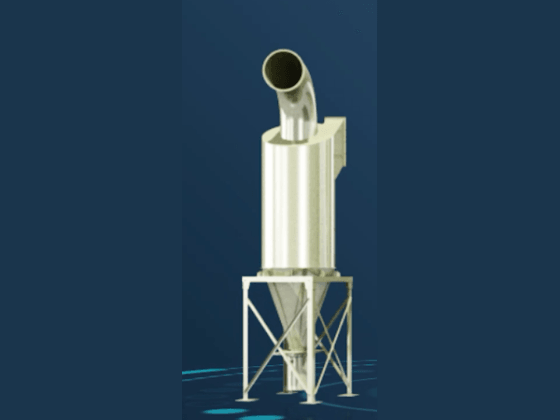
In the realm of industrial processes, effective dust management is crucial for operational efficiency and safety. The use of quality dust collection filter bags plays a significant role in optimizing dust collector performance. By investing in the right bag filtration solutions, industries can enhance their productivity while ensuring a cleaner working environment.
Maximizing Efficiency with Quality Filter Bags
Quality dust collection filter bags are essential for maximizing the efficiency of any dust collector system. When these bags are designed with advanced materials and technology, they can capture more particulate matter, leading to improved air quality and less frequent replacements. This not only saves money but also reduces downtime, allowing businesses to focus on what they do best—producing great products.
Moreover, selecting the appropriate dust collector filter bags tailored to specific applications can significantly enhance filtration performance. Different environments produce various types of dust; hence having specialized filters ensures that even the finest particles are captured effectively. Ultimately, this leads to a smoother operation and longevity of equipment, making it a win-win situation for manufacturers.
Ensuring Cleaner Environments in Industries
The implementation of effective bag filtration systems contributes greatly to ensuring cleaner environments across industries. Dust collector bags trap harmful particles that can affect both worker health and product quality; thus, maintaining high standards is paramount in any industrial setting. Cleaner air translates to better health outcomes for employees as well as compliance with environmental regulations.
Furthermore, an efficient dust collection system minimizes the risk of explosions or fires caused by combustible dust accumulation—a serious concern in many manufacturing sectors. By prioritizing cleanliness through advanced industrial filters, companies not only protect their workforce but also safeguard their facilities from potential hazards associated with excessive dust buildup. In essence, investing in proper dust management reflects a commitment to workplace safety and environmental responsibility.
The Future of Dust Collection Technology
As industries evolve and face new challenges related to air quality and sustainability, the future of dust collection technology looks promising and innovative. Advancements in material science will likely lead to even more efficient dust collection filter bags that can capture smaller particles while reducing energy consumption during operation. This evolution will contribute significantly to creating sustainable manufacturing practices.
Additionally, integrating smart technologies into dust collectors promises real-time monitoring capabilities that allow for proactive maintenance and enhanced operational efficiency. These innovations will ensure that businesses stay ahead of regulatory requirements while providing safer working conditions for employees across various sectors engaged in bag filtration processes. The journey toward cleaner industrial environments is just beginning—embracing these advancements will set a new standard for excellence in dust management.