

Introduction
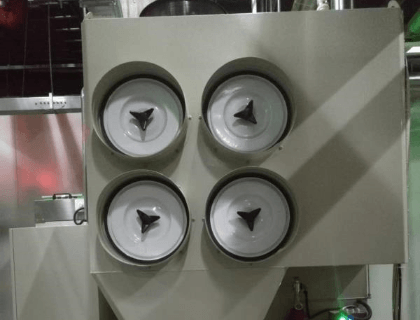
In the world of industrial operations, maintaining a clean and safe environment is paramount. Enter the cyclone dust collector, a powerful ally in dust management that effectively removes airborne particles from various processes. But how does a cyclone dust collector work? This question is central to understanding its functionality and benefits.
Understanding Cyclone Dust Collectors
Cyclone dust collectors are specialized devices designed to separate and collect dust particles from air streams using centrifugal force. These systems are particularly popular in industries where large volumes of particulates are generated, such as woodworking and metal fabrication. By harnessing the principles of physics, these cyclone dust extractors efficiently capture debris while allowing clean air to flow back into the environment.
Importance of Dust Collection Systems
Dust collection systems play a crucial role in ensuring workplace safety and compliance with health regulations. They help reduce respiratory hazards associated with inhaling fine particles, which can lead to serious health issues over time. Moreover, effective dust management contributes to improved equipment longevity and operational efficiency, making it an essential investment for any industry.
Overview of Cyclone Dust Collector Functionality
A cyclone dust collector operates on simple yet effective principles: it uses high-speed airflow to create a vortex that separates heavier particles from lighter ones. The collected dust then settles into a hopper for easy disposal or recycling, while clean air exits through the top outlet. To visualize this process further, many find value in engaging with how does a cyclone dust collector work animation, which illustrates its mechanics in an accessible manner.
The Mechanics of Cyclone Dust Collectors

Understanding how a cyclone dust collector works is essential for anyone looking to enhance their dust management systems. These industrial cyclone dust collectors utilize centrifugal force to separate dust and debris from the air, providing an efficient solution for various industries. In this section, we will delve into the basic principles of operation, key components, and how airflow functions within these remarkable machines.
Basic Principles of Operation
At its core, a cyclone dust extractor operates by creating a vortex that spins incoming air at high speeds. This spinning motion generates centrifugal force, which pushes heavier particles outwards towards the wall of the cyclone chamber while cleaner air spirals upward. Thus, understanding how does a cyclone dust collector work involves recognizing that it effectively separates particulates from the airflow without requiring complex filtration systems.
The design allows for continuous operation since collected dust can be removed without interrupting airflow. This efficiency is particularly valuable in industrial settings where downtime can lead to significant productivity losses. Moreover, because no filters are involved in the process, maintenance becomes simpler and more cost-effective over time.
Key Components Explained
To fully grasp how does a cyclone dust collector work, it's important to familiarize ourselves with its key components: the inlet, body, cone section, and outlet duct. The inlet directs dirty air into the cyclone at an angle to initiate the swirling motion essential for separation. The body houses this swirling action while ensuring that particles are expelled outward.
The cone section then collects these heavier particles before they drop into a collection bin or hopper located at the bottom of the unit. Finally, clean air exits through an outlet duct at the top of the cyclone chamber. Each component plays a crucial role in ensuring that this industrial cyclone dust collector operates efficiently and effectively.
How Airflow Works in a Cyclone
Airflow dynamics are vital to understanding how does a cyclone dust collector work effectively in various applications. When dirty air enters through the inlet at an angle, it begins to spiral downwards due to inertia and centrifugal force generated by its high-speed rotation within the cylindrical body of the unit. As airflow continues through this spiral path, larger particles are flung outward toward the wall where they lose momentum and settle into collection bins.
Simultaneously, lighter particles remain suspended longer before eventually being drawn back up toward cleaner outlets as they lose speed during their journey through this system's unique airflow pattern. This clever design ensures maximum efficiency in separating airborne contaminants while minimizing energy consumption—a hallmark feature of any quality cyclone dust extractor on today's market.
The Benefits of Using Cyclone Dust Extractors

When it comes to dust collection, the efficiency of cyclone dust extractors is hard to beat. These systems utilize centrifugal force to separate dust and debris from the air stream, making them highly effective in various industrial settings. Understanding how does a cyclone dust collector work can help businesses appreciate their value in maintaining a clean and safe work environment.
Efficiency in Dust Collection
The efficiency of industrial cyclone dust collectors lies in their design, which allows for maximum airflow while minimizing resistance. As air enters the collector, it spirals downwards, causing heavier particles to be flung outwards and collected at the bottom. This efficient separation process means that fewer particles escape into the atmosphere, leading to cleaner air quality and reduced health risks for workers.
Moreover, the ability of cyclone dust extractors to handle large volumes of air makes them ideal for industries with high dust production rates. Unlike traditional bag filters that may clog quickly, cyclone systems maintain performance over extended periods without frequent maintenance interruptions. This operational efficiency not only improves productivity but also reduces downtime associated with equipment cleaning or replacement.
Cost-Effectiveness for Industries
Cost-effectiveness is another significant advantage of using cyclone dust collectors in industrial applications. Their robust design typically requires less maintenance than other types of dust collection systems, leading to lower operational costs over time. When you consider factors such as replacement filters and energy consumption, it's clear that investing in a cyclone dust extractor can yield substantial savings.
Additionally, these systems often have lower upfront costs compared to more complex filtration options while still delivering impressive performance levels. For industries looking to maximize their return on investment while ensuring compliance with health and safety regulations, choosing an industrial cyclone dust collector is a smart move. By understanding how does a cyclone dust collector work and its long-term benefits, businesses can make informed decisions about their equipment needs.
Comparison with Other Dust Collection Systems
When comparing cyclone dust collectors with other types of systems—like baghouses or cartridge collectors—the advantages become even more apparent. Cyclone extractors excel at handling large amounts of coarse particulate matter without compromising airflow efficiency or requiring excessive energy input. While other systems may be better suited for fine particulate collection or specialized applications, cyclones shine in general-purpose environments where bulk material is prevalent.
Furthermore, many industries find that integrating a cyclone system into their existing infrastructure is simpler than retrofitting more complex filtration technologies. The straightforward design allows for easier maintenance and quicker troubleshooting when issues arise—something every facility manager appreciates! By exploring options like how does a cyclone dust collector work animation online, decision-makers can visualize these benefits and understand why cyclones are often recommended as first-line solutions.
Applications of Industrial Cyclone Dust Collectors

Industrial cyclone dust collectors are versatile tools that find their place in various industries, significantly improving air quality and operational efficiency. They are particularly effective in environments where dust and particulate matter are prevalent, ensuring a safer workspace while enhancing productivity. Let’s dive into some key applications where these systems shine.
Manufacturing and Woodworking Industries
In the manufacturing and woodworking sectors, cyclone dust extractors play a crucial role in maintaining clean air and reducing fire hazards associated with wood dust. These industries generate large volumes of fine particles, making efficient dust collection essential for compliance with health regulations. Understanding how does a cyclone dust collector work can help businesses select the right system to meet their specific needs while boosting overall efficiency.
Moreover, the use of cyclone dust collectors not only enhances workplace safety but also improves equipment longevity by preventing the accumulation of harmful debris on machines. The robust design allows for continuous operation in high-demand environments without sacrificing performance or requiring frequent maintenance. Thus, investing in an industrial cyclone dust collector can yield significant long-term benefits for manufacturers and woodworkers alike.
Metal Fabrication and Processing
Metal fabrication involves processes that produce considerable amounts of metal shavings, chips, and fumes—making effective dust control paramount for both safety and productivity. Cyclone dust collectors excel in this area by capturing heavy particles efficiently while allowing lighter materials to escape through their exhaust systems. This capability is crucial for maintaining optimal visibility around machinery and reducing respiratory risks among workers.
When exploring how does a cyclone dust collector work animation, one can appreciate the intricate dance of airflow that separates heavy metal particles from lighter ones seamlessly. This separation process is vital in metalworking environments where precision is key; even minor contaminants can affect product quality significantly. By implementing a reliable cyclone dust extractor, companies not only comply with safety standards but also enhance operational workflows.
Environmental Applications and Air Quality
Beyond industrial settings, cyclone dust collectors contribute significantly to environmental applications aimed at improving air quality across various sectors such as waste management or construction sites. These systems help mitigate airborne pollutants by effectively capturing particulates before they can disperse into the atmosphere—an increasingly important factor as environmental regulations tighten worldwide.
Understanding how does a cyclone dust collector work provides insight into its role within broader environmental strategies aimed at sustainability and public health protection. The ability to reduce emissions from construction activities or waste processing facilities demonstrates the versatility of these systems beyond traditional manufacturing uses. As more industries recognize their importance, we anticipate an increased adoption of industrial cyclone dust collectors as part of comprehensive environmental management plans.
How Does a Cyclone Dust Collector Work Animation
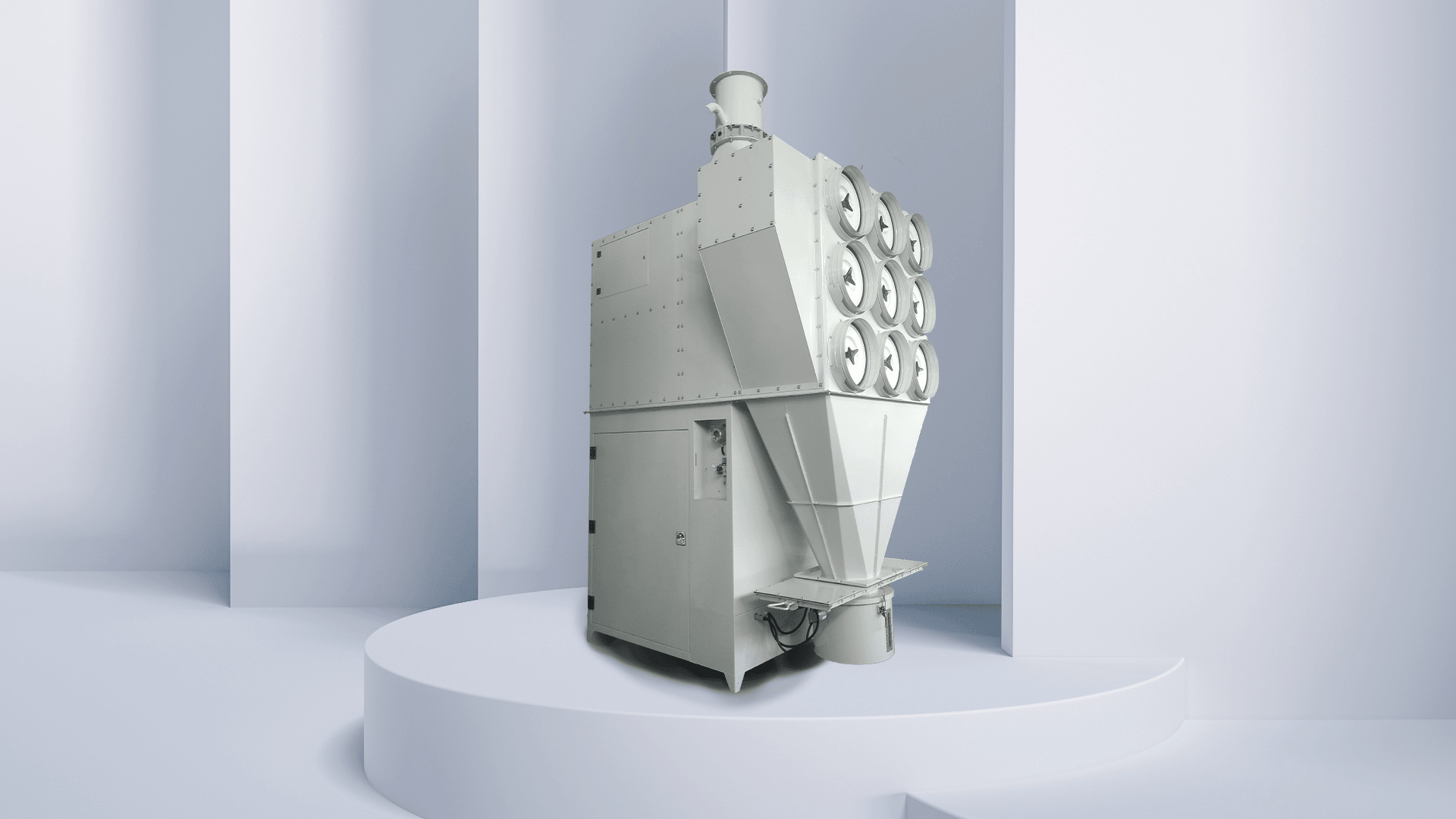
When it comes to understanding the intricacies of dust collection systems, an animation can be worth a thousand words. A well-crafted animation demonstrates how does a cyclone dust collector work by visually breaking down its operational mechanics. By showcasing the flow of air and debris, viewers can grasp complex concepts in a straightforward manner.
Visual Representation of Operation
In an effective animation, you would see the initial airflow entering the cyclone dust extractor, swirling around in a vortex-like motion. This visual representation highlights how centrifugal force separates larger particles from the air stream, directing them into a collection bin at the bottom while cleaner air exits from the top. Such clarity makes it easy to understand how does a cyclone dust collector work and emphasizes its efficiency in capturing dust.
Real-World Examples in Action
Real-world examples featured in animations can illustrate various industrial applications of cyclone dust collectors. Whether it's in woodworking shops or metal fabrication facilities, these animations depict how these systems operate under different conditions and settings. By showcasing diverse scenarios, viewers gain insight into how does a cyclone dust collector work across industries and appreciate its versatility as an industrial cyclone dust collector.
Benefits of Understanding Through Animation
Animations serve as powerful educational tools that simplify complex processes like those involved in cyclone dust collectors. They not only engage viewers but also enhance retention of information about how does a cyclone dust collector work by providing visual context to theoretical knowledge. Understanding through animation allows users to visualize operations and appreciate why investing in a quality cyclone dust extractor is essential for maintaining clean and safe working environments.
Choosing the Right Cyclone Dust Collector
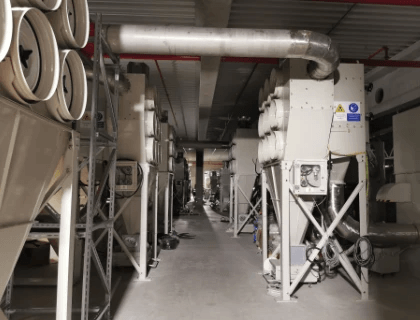
Selecting the right cyclone dust collector can feel like finding a needle in a haystack, but it doesn’t have to be overwhelming. The ideal choice hinges on understanding your specific needs, as well as the unique features of different models available today. With the right information, you can make an informed decision that will enhance your dust management system and improve air quality.
Factors to Consider for Selection
When considering how does a cyclone dust collector work for your application, several factors come into play. First and foremost is the volume of dust generated; this will determine the size and capacity needed from your cyclone dust extractor. Additionally, consider the type of materials being collected—some industrial cyclone dust collectors are better suited for fine particles, while others handle larger debris with ease.
Another critical factor is airflow requirements; understanding how airflow works in a cyclone can help you select a model that maximizes efficiency. You should also evaluate space constraints in your facility since some designs require more room than others to operate effectively. Lastly, don’t forget about maintenance needs; choose a model that offers easy access for cleaning and servicing to keep it running smoothly.
NAROO's Expertise in Custom Solutions
NAROO stands out as a leader in providing tailored solutions when it comes to choosing an industrial cyclone dust collector. Their team understands that each workspace has its own unique challenges and requirements, so they offer customized systems designed specifically for various applications. By leveraging their expertise, businesses can ensure they select the most efficient cyclone dust extractor that meets their operational demands.
Moreover, NAROO’s commitment to innovation means they stay ahead of trends and technology advancements within the industry. They provide comprehensive support throughout the selection process—from initial consultation to installation—ensuring your system operates at peak performance from day one. With NAROO’s guidance, understanding how does a cyclone dust collector work becomes less daunting and more rewarding.
Leading Brands and Technologies to Explore
When exploring options for your cyclone dust collector needs, several leading brands stand out in terms of quality and innovation. Companies like Donaldson Torit and Grizzly Industrial offer reliable models with proven track records in efficiency and durability within various industries. These brands often provide animations or visual representations showing how does a cyclone dust collector work, helping potential buyers grasp functionality quickly.
Additionally, keep an eye on emerging technologies within this space; advancements such as smart sensors for monitoring performance or energy-efficient designs are becoming increasingly popular among manufacturers looking to reduce operational costs while maintaining high standards of air quality control. It’s worth doing some research into these innovations before settling on any specific model or brand—after all, investing in an effective cyclone dust extractor today could pay off substantially down the road.
Conclusion

In wrapping up our exploration of cyclone dust collectors, it’s clear that these systems play a vital role in maintaining clean and safe environments across various industries. Understanding how does a cyclone dust collector work is essential for anyone involved in manufacturing or processing environments where dust can become a health hazard. With their efficient design, Cyclone Dust Extractors not only improve air quality but also enhance operational efficiency.
Key Takeaways on Cyclone Dust Collector Function
The functionality of a cyclone dust collector hinges on its ability to separate dust particles from the air through centrifugal force. This process, often illustrated in how does a cyclone dust collector work animation, showcases how air enters the cyclone at an angle, causing particles to spiral down into the collection bin while cleaner air exits through the top. Ultimately, these systems are designed for maximum efficiency and minimal maintenance, making them indispensable in industrial settings.
The Role of NAROO in Dust Management
NAROO stands at the forefront of innovative solutions for effective dust management with their range of industrial cyclone dust collectors tailored to meet specific needs. Their expertise ensures that businesses can find the right Cyclone Dust Extractor suited for their operations without compromising on performance or budget. By focusing on custom solutions, NAROO helps industries navigate challenges associated with dust control while promoting safety and compliance.
Future Trends in Dust Collection Technology
Looking ahead, advancements in technology are set to revolutionize how we approach dust collection systems like industrial cyclone dust collectors. Innovations such as smart sensors and IoT integration promise enhanced monitoring capabilities and predictive maintenance features that could redefine operational efficiency. As industries evolve and demand cleaner workspaces grows, understanding how does a cyclone dust collector work will be crucial for adopting future technologies effectively.