

Introduction
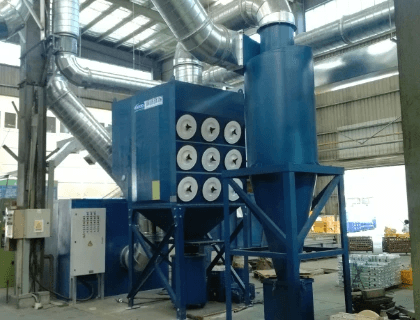
In industrial settings, dust is more than just a nuisance; it can pose serious health risks and operational hazards. Understanding the importance of dust control is crucial for maintaining a safe workplace. Effective dust management not only protects employees but also enhances equipment longevity and operational efficiency.
Understanding the Importance of Dust Control
Dust control is essential in preventing respiratory issues, explosions, and equipment damage in various industries. Without proper measures like an industrial dust collector or emergency dust collector, fine particles can accumulate, leading to hazardous conditions. Implementing effective dust filtration systems minimizes these risks and ensures compliance with safety regulations.
The Role of Emergency Dust Collectors
Emergency dust collectors serve as a vital safety net in environments where combustible dust is present. These specialized systems are designed to activate during critical situations, providing immediate filtration to prevent catastrophic events. By incorporating an emergency dust collector into your operations, you can significantly reduce the risk associated with sudden dust surges.
Common Hazards in Dust Collection
Ignoring effective dust collection practices can lead to various hazards that threaten both personnel and machinery. Common issues include explosions from combustible dust accumulation and respiratory illnesses caused by inadequate filtration through standard bag houses or faulty collector bags. Recognizing these dangers is the first step toward implementing robust dust control measures that protect your workforce and assets.
What is an Emergency Dust Collector?

When it comes to maintaining a safe and efficient work environment, understanding the function of an emergency dust collector is crucial. These specialized systems are designed to handle dust collection in critical scenarios, ensuring that harmful particles are swiftly removed from the air. By integrating effective dust control measures, industries can prevent potential hazards associated with dust accumulation.
Overview of Dust Collectors
Dust collectors are essential components in various industrial settings, designed to capture and filter airborne particles generated during production processes. Whether it's wood chips in a lumber mill or fine powders in a pharmaceutical plant, these systems play a vital role in maintaining air quality and protecting worker health. A well-functioning collector dust system not only enhances productivity but also complies with safety regulations aimed at reducing airborne contaminants.
Key Features of Emergency Systems
Emergency dust collectors come equipped with specific features that set them apart from standard models. They often include rapid-response capabilities that allow for immediate activation during hazardous conditions, ensuring swift removal of dangerous dust particles from the environment. Additionally, these systems typically feature advanced monitoring technology that alerts operators to abnormal levels of dust accumulation, providing an extra layer of safety for workers.
Importance of Industrial Dust Collectors
Industrial dust collectors are indispensable for businesses aiming to adhere to strict safety standards while promoting a healthy workplace atmosphere. The importance of these systems cannot be overstated; they significantly reduce the risks associated with combustible and toxic dusts that can lead to explosions or respiratory issues among employees. Investing in high-quality bag houses and reliable dust collector bags ensures long-term efficiency and effectiveness in your overall dust filtration strategy.
Identifying Potential Dust Hazards

Dust may seem innocuous, but lurking within its fine particles are potential hazards that can lead to serious safety risks in industrial settings. Understanding and identifying these hazards is crucial for effective dust control and the operation of an emergency dust collector. By recognizing the types of combustible dust, assessing the effects of inadequate filtration, and considering the consequences of neglecting dust management, organizations can better protect their workforce and facilities.
Recognizing Combustible Dust Types
Combustible dust comes in various forms, ranging from organic materials like wood and food products to metals such as aluminum and magnesium. Each type poses unique risks; for instance, metal dust can ignite with explosive force when suspended in air. It's essential for facilities using industrial dust collectors to identify these combustible materials early on so that appropriate measures can be taken to mitigate their dangers effectively.
In many cases, industries overlook less obvious sources of combustible dust, such as plastics or textiles. Even seemingly harmless substances can become hazardous under certain conditions—like being finely ground or improperly stored. By implementing a robust monitoring system within your bag house or using an emergency dust collector specifically designed for combustible materials, you enhance your site's overall safety profile.
Effects of Inadequate Dust Filtration
Inadequate filtration not only allows harmful particles to accumulate but also compromises the efficiency of your entire dust collection system. When a dust collector bag becomes clogged or damaged, it fails to capture contaminants effectively, leading to increased airborne particles that could harm workers' health. Moreover, poor filtration systems contribute to frequent equipment breakdowns and costly downtime due to maintenance needs.
The repercussions extend beyond just machinery; they also affect product quality and operational efficiency. Excessive dust buildup can lead to contamination issues in processes requiring high cleanliness standards—think pharmaceuticals or food production! Thus investing in a reliable industrial dust collector with quality filtration capabilities is paramount for maintaining both safety and operational integrity.
Consequences of Ignoring Dust Control
Neglecting proper dust control measures can have dire consequences ranging from health issues among employees to catastrophic explosions caused by combustible materials igniting in confined spaces. The financial implications are equally significant—fines from regulatory bodies due to non-compliance with safety standards can cripple a business's bottom line. Furthermore, reputational damage stemming from workplace accidents could deter clients and customers alike.
Ignoring the need for effective solutions like an emergency dust collector may lead businesses down a slippery slope where small oversights snowball into major crises over time. Facilities should prioritize regular assessments of their existing systems while ensuring that all staff members are trained on best practices related to handling hazardous materials safely. Proactive steps toward comprehensive dust management not only safeguard employee well-being but also bolster long-term profitability.
Best Practices for Dust Collector Safety

When it comes to maintaining a safe and efficient environment, dust control is paramount. To ensure that your dust collector operates at peak performance, implementing best practices is essential. This section will delve into the nitty-gritty of keeping your industrial dust collector in top shape.
Regular Maintenance for Dust Collector Bags
One of the most critical components of any dust collection system is the dust collector bag. Regular maintenance ensures that these bags are free from clogs and tears, which can significantly reduce the effectiveness of your emergency dust collector. By inspecting and replacing worn-out or damaged bags, you can maintain optimal airflow and filtration efficiency, preventing hazardous situations from arising.
Additionally, cleaning the collector dust from filters on a routine basis helps prolong their lifespan and enhances overall performance. Neglecting this maintenance could lead to increased pressure drops and decreased suction power, making it harder for your industrial dust collector to do its job effectively. Remember, a well-maintained bag house not only improves safety but also saves you money in the long run.
Effective Monitoring of Dust Levels
Monitoring dust levels within your facility is crucial for effective dust control management. Utilizing advanced sensors can help you keep track of particulate matter concentrations in real-time, allowing for immediate actions if levels become too high. With an emergency dust collector in place, you can swiftly address any spikes in dust accumulation before they escalate into serious safety hazards.
Regular audits of your air quality will also help identify trends over time, ensuring that your filtration systems are performing as expected. Don't underestimate the importance of data; it guides decision-making regarding when to clean or replace parts of your bag house or other components in the system. Ultimately, effective monitoring not only protects workers but also ensures compliance with safety regulations.
Implementing Safety Protocols
Establishing robust safety protocols is essential for maintaining a safe working environment around any industrial dust collector system. Training employees on how to properly use equipment like emergency dust collectors and understanding potential hazards associated with improper handling can make all the difference in preventing accidents. Ensure that everyone knows how to respond quickly should there be an issue with filtration or equipment failure.
Moreover, create a comprehensive set of procedures that outline regular inspections and maintenance schedules for all aspects of your dust control systems—including bag houses and their respective filters—so nothing falls through the cracks. Having clear protocols not only fosters accountability among staff but also reinforces a culture focused on safety within your organization. In short, when everyone knows their role in maintaining effective dust filtration systems, risks diminish significantly.
Features of a Reliable Dust Filtration System
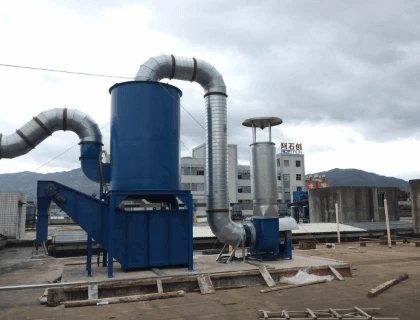
When it comes to maintaining a safe and efficient work environment, the features of a reliable dust filtration system play an essential role. An effective dust collector not only protects employees from harmful dust particles but also ensures compliance with industry regulations. Choosing the right components, such as a high-quality bag house and top-notch dust collector bags, can significantly enhance your overall dust control strategy.
What to Look for in a Bag House
Selecting the right bag house is crucial for optimal performance in any industrial dust collector setup. Look for features like robust construction materials that can withstand harsh environments and a design that allows for easy maintenance and access to filters. Additionally, consider systems that offer customizable configurations to fit your specific needs, as this flexibility can enhance the overall efficiency of your dust control measures.
Importance of Quality in Dust Collector Bags
The quality of your dust collector bags directly impacts the effectiveness of your entire dust filtration system. High-quality bags ensure superior filtration efficiency, minimizing the escape of fine particles into the air while maximizing airflow through the system. Investing in durable materials will also extend the lifespan of your bags, reducing downtime and maintenance costs associated with frequent replacements.
Integrating Advanced Technology
In today’s fast-paced industrial landscape, integrating advanced technology into your emergency dust collector system is more important than ever. Features like automated monitoring systems can provide real-time data on dust levels, allowing for prompt adjustments when necessary—ensuring optimal performance at all times. Furthermore, incorporating smart technologies can facilitate predictive maintenance schedules that help prevent unexpected failures and keep operations running smoothly.
NAROO’s Approach to Dust Management

In the ever-evolving landscape of industrial operations, NAROO stands at the forefront of dust management solutions. Our approach emphasizes innovative technologies and practices tailored to enhance dust control and ensure a safer working environment. By integrating advanced systems with reliable equipment, we help industries tackle the challenges posed by dust collection effectively.
Innovative Solutions for Dust Control
At NAROO, we pride ourselves on developing innovative solutions that address the complexities of dust control. Our emergency dust collector systems are designed to respond swiftly to hazardous situations, ensuring that any potential risks associated with collector dust are mitigated promptly. We utilize cutting-edge technology in our bag houses, which enhances filtration efficiency while maximizing airflow—essential for maintaining optimal performance in industrial settings.
Moreover, our focus on sustainability drives us to create eco-friendly dust filtration systems that not only meet regulatory standards but also contribute positively to the environment. By employing materials and designs that reduce waste and energy consumption, we ensure that our clients can achieve their operational goals without compromising on safety or environmental responsibility. Ultimately, our innovative solutions empower businesses to maintain cleaner workplaces while reducing downtime caused by dust-related issues.
Trusted Partnerships with Global Companies
NAROO understands that collaboration is key in delivering effective dust management solutions; that's why we've established trusted partnerships with global companies renowned for their expertise in industrial equipment and technology. These alliances enhance our ability to offer state-of-the-art emergency dust collectors and other essential components tailored for specific industries. By leveraging these partnerships, we ensure that our clients have access to the latest advancements in industrial dust collectors and filtration technologies.
Our network allows us not only to source high-quality materials but also to stay ahead of industry trends and best practices in dust control strategies. This synergy enables us to provide comprehensive support throughout every stage of a project—from initial consultation through installation—ensuring seamless integration into existing operations while adhering strictly to safety protocols related to collector dust management.
Comprehensive Services from R&D to Installation
NAROO’s commitment extends beyond just providing an emergency dust collector or a standard bag house; we offer comprehensive services encompassing research and development all the way through installation and ongoing maintenance support. Our dedicated team collaborates closely with clients during the design phase, ensuring each system is customized for optimal performance based on specific operational needs regarding dust filtration requirements.
Once installed, we don’t just walk away; our service continues as we monitor system performance rigorously over time—this proactive approach helps identify potential issues before they escalate into costly problems related to inadequate filtration or malfunctioning equipment like a dusty old bag house! With regular maintenance checks on your trusty dust collector bags included as part of our service package, you can rest assured knowing your facility remains compliant while minimizing health hazards associated with airborne particulates.
Conclusion
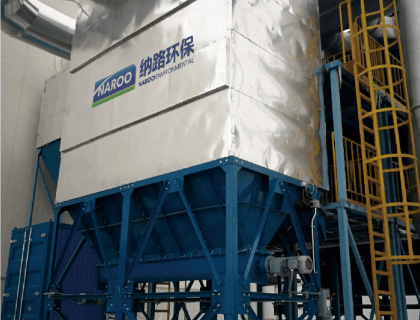
In conclusion, effective dust control is not just a regulatory requirement; it’s essential for the safety and efficiency of any industrial operation. An emergency dust collector plays a pivotal role in managing hazardous dust levels, ensuring that the workplace remains safe for employees. By understanding the significance of reliable equipment and best practices in dust filtration, businesses can significantly reduce risks associated with combustible dust.
Key Takeaways for Dust Control Safety
Dust control safety should be a top priority in any industrial setting due to the potential hazards posed by airborne particles. Regular maintenance of your dust collector bag, along with monitoring dust levels, can prevent accidents and improve air quality. Remember that an emergency dust collector is not just a backup plan; it’s a critical component of your overall safety strategy.
The Importance of Reliable Equipment
Reliable equipment is the backbone of effective dust management systems. An industrial dust collector must be robust enough to handle various types of materials while maintaining optimal performance under pressure. Investing in high-quality components like durable bag houses and efficient collector dust systems ensures that your facility operates smoothly and adheres to safety standards.
How to Choose the Right Dust Filtration System
Choosing the right dust filtration system involves evaluating several factors, including system size, type of materials processed, and specific operational needs. Look for features such as advanced technology integration and high-quality dust collector bags that enhance filtration efficiency while minimizing maintenance efforts. Ultimately, selecting an appropriate emergency dust collector will provide peace of mind knowing you have a reliable solution ready when needed.