

Introduction
In the world of woodworking, metalworking, and various industrial applications, dust collector ducting plays a crucial role in maintaining a clean and safe environment. Understanding how this ducting works is essential for anyone looking to optimize their dust collection system. From the materials used to the layout of the ductwork, each aspect significantly impacts the efficiency of your dust filtration systems.
Understanding Dust Collector Ducting
Dust collector ducting refers to the network of pipes and hoses that transport airborne particles from machinery to a dust collection unit. The proper design and installation of this ductwork ensure that collector dust is efficiently captured and removed from the workspace. A well-planned ducting system not only enhances performance but also prolongs the lifespan of your equipment by minimizing wear caused by excessive dust buildup.
Importance of Efficient Dust Collection
Efficient dust collection is vital for creating a safe working environment, as it helps reduce health risks associated with inhaling harmful particles. Additionally, effective use of a hose dust collector minimizes fire hazards that can arise from combustible dust accumulation in industrial settings. Investing in quality dust collection supplies ensures you have reliable components that work harmoniously together to maintain optimal airflow and filtration.
Essential Components of Dust Filtration
A successful dust collection system comprises several essential components, including filters, collectors, and various types of hoses—like the popular 4 dust collection hose options available on the market today. Each element plays a pivotal role in capturing different sizes and types of debris while ensuring clean air returns to your workspace. Moreover, selecting between options such as metal dust collectors or flexible hoses can further enhance your overall system performance.
Choosing the Right Dust Collection Supplies

The right components can significantly enhance the performance of your dust collector ducting and ensure effective removal of collector dust from your workspace. Among these supplies, the quality of your dust collection hose plays a pivotal role in maintaining optimal airflow and filtration efficiency.
Selecting Quality Dust Collection Hose
Choosing a high-quality dust collection hose is essential for any effective dust collection system. A well-constructed hose not only withstands wear and tear but also maintains flexibility for easy maneuverability around your workspace. Look for hoses that are designed specifically for use with hose dust collectors, as they are engineered to handle fine particles without collapsing or leaking.
Additionally, consider the material of the hose; options like polyurethane or PVC offer durability and resistance to abrasions, ensuring longevity in demanding environments. The diameter of the hose is another critical factor—too small can restrict airflow, while too large may lead to inefficiencies in suction power. Ultimately, investing in a quality dust collection hose will pay off by enhancing your overall system performance and reducing maintenance needs.
Evaluating 4 Dust Collection Hose Options
When evaluating 4 dust collection hose options, it's important to consider various factors such as flexibility, durability, and compatibility with existing systems. First up is the standard clear PVC hose; it's affordable and allows you to see any clogs forming—a handy feature! Next on our list is the heavy-duty polyurethane hose; this option boasts excellent abrasion resistance and can handle both hot and cold temperatures with ease.
The third option is a wire-reinforced PVC hose which adds extra strength against crushing while providing good airflow characteristics—perfect for those tight spaces! Last but not least is a silicone hose; its flexibility makes it ideal for moving parts or applications requiring frequent repositioning without compromising on performance. Each of these 4 dust collection hoses has its unique advantages depending on your specific needs within your dust collector ducting setup.
Comparing Metal Dust Collector Features
Metal dust collectors bring distinct advantages that set them apart from their plastic counterparts, especially when it comes to durability and safety standards in industrial settings. One key feature to consider is their ability to withstand higher temperatures—ideal for environments where sparks might occur during machining processes. Additionally, metal construction often means enhanced stability against vibrations that can lead to leaks or disconnections over time.
Another significant benefit lies in their superior filtration capabilities when paired with advanced dust filtration systems; many metal models come equipped with HEPA filters that capture even finer particles than standard options. However, keep an eye on weight considerations since metal units can be bulkier than plastic ones; this might affect mobility within your workspace if frequent relocation is necessary. Ultimately, comparing metal dust collector features will help you make an informed choice tailored specifically to your operational requirements.
Designing an Effective Ductwork Layout
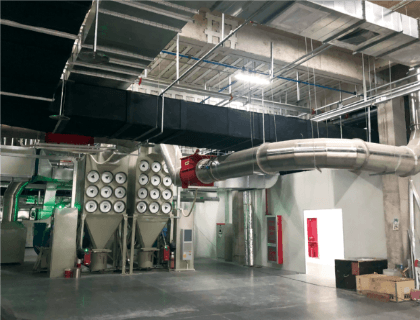
Designing an effective ductwork layout is crucial for maximizing the efficiency of your dust collection system. A well-planned ducting design not only enhances airflow but also ensures that collector dust is efficiently captured at the source. By focusing on optimizing airflow, avoiding common mistakes, and incorporating safety systems, you can create a reliable and compliant dust collector ducting setup.
Optimizing Airflow in Dust Collector Ducting
To achieve optimal performance from your dust filtration systems, it’s essential to prioritize airflow in your dust collector ducting. Start by designing straight runs wherever possible to minimize bends and turns; this reduces resistance and maximizes suction power. Additionally, selecting the right diameter for your dust collection hose is crucial—too small can restrict flow while too large may lead to inefficiencies.
Properly sized ducts should be complemented with high-quality hoses; a well-chosen hose dust collector setup can significantly enhance overall performance. Remember that maintaining smooth transitions between different sizes of ducts or hoses will further improve airflow dynamics. Regularly assess your layout for any potential blockages or leaks that could impede efficiency.
Avoiding Common Ducting Mistakes
When setting up your dust collection supplies, it's easy to overlook some common pitfalls that can hamper performance. One frequent mistake is neglecting the placement of the dust collection hose—if it’s positioned too far from the source of generation, you’ll lose valuable suction power and allow more collector dust to escape into the atmosphere.
Another common error is using sharp bends in ductwork; these create turbulence that disrupts airflow and reduces efficiency dramatically. Instead, opt for gradual curves or sweeps whenever possible to maintain smooth air movement through your system. Lastly, ensure all connections are airtight; even small leaks can lead to significant losses in suction capabilities over time.
Incorporating NAROO Systems for Safety
Incorporating NAROO systems into your design not only enhances safety but also optimizes the functionality of your metal dust collector setup. These advanced systems help manage air quality by effectively capturing harmful particles before they enter the workspace environment, ensuring compliance with safety standards while protecting workers' health.
Moreover, integrating NAROO systems allows for real-time monitoring of air quality levels within your workspace—an invaluable feature when managing various types of materials in a production setting where different filtration requirements may apply. This proactive approach not only improves overall system performance but also promotes a culture of safety among employees who are directly affected by airborne contaminants.
Maintaining Your Dust Collection System

Maintaining your dust collection system is essential for ensuring optimal performance and longevity. Regular upkeep not only enhances the efficiency of your dust collector ducting but also minimizes the risk of costly repairs down the line. With proper maintenance, you'll keep that pesky collector dust at bay and maintain a clean workspace.
Regular Inspection and Cleaning Tips
To keep your dust collection supplies in top shape, regular inspection should be a part of your routine. Check your dust collection hose for any signs of wear or damage; even small cracks can lead to significant drops in efficiency. Additionally, make it a habit to clean out the metal dust collector regularly, as accumulated debris can impede airflow and reduce suction power.
Don't overlook the importance of inspecting joints and connections in your ductwork; loose fittings can cause leaks that compromise performance. When cleaning, use a vacuum designed for fine particles to ensure you're effectively removing all collected dust from both the hose and ducts. By staying proactive with these inspections and cleanings, you’ll extend the life of both your dust collection hose and overall system.
Troubleshooting Common Dust Collection Issues
Even with regular maintenance, problems may arise within your dust filtration systems that require troubleshooting. One common issue is reduced suction power; if you notice this happening, first inspect for blockages in the ducting or within the hose itself—those pesky clogs can sneak up on you! If everything appears clear but suction remains low, it might be time to check if your filters need replacing or cleaning.
Another frequent issue is excessive noise during operation; this could indicate an imbalance or misalignment within components like fans or motors in metal dust collectors. Addressing such issues promptly will not only improve performance but also enhance safety by preventing potential equipment failures down the road. Remember, keeping an eye out for these common problems will save you headaches later on!
Upgrading Components for Better Performance
Investing in upgrades can significantly enhance the effectiveness of your entire dust collection system—especially if you're still using older models or components that don't meet modern standards! Consider replacing outdated hoses with one from our list of 4 dust collection hose options that offer improved airflow characteristics and durability against wear-and-tear over time.
Additionally, look into advanced filtration technologies that may provide better particle capture rates compared to traditional methods used in older metal dust collectors. Upgrading not only boosts efficiency but also ensures compliance with safety standards as regulations evolve over time—keeping both workers safe and operations running smoothly! Remember: investing in quality components today means fewer headaches tomorrow.
The Role of Dust Filtration Systems
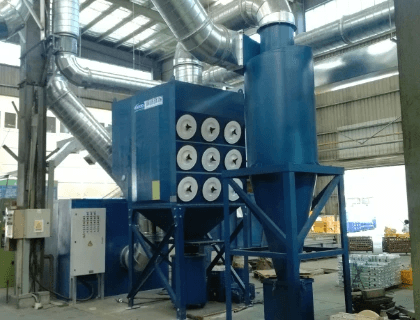
Dust filtration systems are essential in maintaining a clean and safe working environment, especially in industries that generate significant amounts of dust. These systems effectively capture and filter out harmful particles, ensuring they don’t circulate back into the air. Understanding the different technologies behind these filtration systems can help you choose the right solution for your specific needs.
Understanding Different Filtration Technologies
When it comes to dust collection, various filtration technologies come into play to ensure effective dust management. From bag filters to cartridge filters, each type has its own advantages and is suited for specific applications within the realm of dust collector ducting. For instance, a metal dust collector may utilize high-efficiency particulate air (HEPA) filters for fine particle capture, while other systems might rely on cyclonic separation methods to handle larger debris.
The choice of filtration technology can significantly impact the performance of your hose dust collector and overall system efficiency. Advanced options like electrostatic precipitators or multi-stage filtration provide enhanced capabilities for capturing even the smallest particles while minimizing maintenance needs. Understanding these technologies can guide you in selecting appropriate dust collection supplies that align with your operational requirements.
Benefits of Advanced Dust Filtration Solutions
Investing in advanced dust filtration solutions offers numerous benefits that go beyond just cleaner air. For one, these systems enhance workplace safety by reducing airborne contaminants that could pose health risks to employees. Moreover, efficient filtering helps protect equipment from wear and tear caused by excessive dust accumulation, ultimately extending the lifespan of your metal dust collector and associated components.
Another significant advantage is improved productivity; when workers are not hindered by poor air quality or respiratory issues related to inhaling harmful particles, they can focus better on their tasks. Additionally, advanced solutions often come with features such as automated cleaning mechanisms or real-time monitoring capabilities that streamline operations further. This means less downtime for maintenance and more time spent on what really matters—getting the job done efficiently!
Customizing Filtration for Specific Needs
Every workspace is unique; therefore, customizing your dust filtration system is crucial for optimal performance tailored to your specific needs. Factors such as the type of materials being worked with and the volume of dust generated should dictate how you configure your hose dust collector setup and select from available 4 dust collection hose options on the market today.
For example, if you're dealing with heavier particulates like wood chips or metal shavings, a robust system designed specifically for those materials will yield better results than a standard solution intended for lighter debris like sawdust or paper particles. Furthermore, integrating additional features such as variable speed controls or specialized pre-filters can enhance efficiency even further while ensuring compliance with industry regulations regarding airborne contaminants.
Compliance and Safety Standards

When it comes to dust collector ducting, compliance with safety standards is not just a box to check; it’s crucial for ensuring a safe working environment. Various regulations govern the use of dust collection systems, and understanding these can save you from potential fines and hazards. Staying informed about industry standards helps in selecting appropriate dust collection supplies that meet legal requirements while also enhancing performance.
Navigating Industry Regulations for Dust Collection
Navigating the maze of industry regulations for dust collection can feel like trying to find your way out of a labyrinth without a map. In many regions, specific guidelines dictate how dust filtration systems must be designed, installed, and maintained to minimize risk. Familiarizing yourself with local codes ensures that your setup not only complies but also operates efficiently—keeping those pesky particles at bay.
Moreover, regulations often require regular inspections and documentation of compliance efforts. This can include everything from verifying the effectiveness of your hose dust collector to ensuring that your metal dust collector meets all necessary specifications. By staying on top of these requirements, you can avoid costly downtime or even worse—safety incidents.
Importance of ATEX and UL Certifications
When selecting equipment for your dust collection system, look out for ATEX and UL certifications like a hawk on the hunt! These certifications indicate that the equipment has met rigorous safety standards designed to prevent explosions in environments where flammable materials are present—super important when dealing with fine particulates! Investing in certified products not only enhances workplace safety but also boosts the reliability of your entire setup.
ATEX certification is particularly relevant in industries where explosive atmospheres may exist due to combustible dust, while UL certifications focus on electrical safety standards across various applications. Both ensure that your chosen components—from hoses to collectors—are up to snuff in terms of safety and performance. Ignoring these certifications could lead you down a slippery slope toward regulatory non-compliance or worse: hazardous working conditions.
Implementing Best Practices for Worker Safety
Implementing best practices for worker safety should be at the forefront when designing any system involving dust collector ducting. Start by training employees on proper usage and maintenance procedures for all components involved in the dust filtration systems they interact with daily—including handling hoses safely during cleaning or repairs. Regular training sessions keep everyone informed about potential hazards associated with improper use or neglecting maintenance tasks.
Another key practice is maintaining clear pathways around equipment and ensuring all emergency exits are easily accessible in case things go awry—because let's face it: no one wants their work environment resembling an obstacle course! Regularly scheduled inspections help identify wear-and-tear issues before they escalate into bigger problems, allowing you to replace worn-out hoses or upgrade filters as needed without disrupting productivity.
Lastly, encourage open communication about safety concerns among workers; after all, they're often the first line of defense against potential issues related to collector dust buildup or malfunctioning equipment. By fostering an environment where everyone feels comfortable voicing concerns or suggestions regarding worker safety practices related to their hose dust collector setup, you're not just complying with regulations—you’re creating a culture committed to excellence!
Conclusion
In summary, understanding the intricacies of dust collector ducting is paramount for achieving optimal performance in any dust collection system. From selecting the right dust collection supplies to designing an effective ductwork layout, every detail plays a crucial role in ensuring efficient operation and safety. By maintaining your system and staying informed about advancements in dust filtration systems, you can significantly enhance air quality and workplace safety.
Key Takeaways for Dust Collector Ducting
Dust collector ducting is not just about connecting hoses; it’s about creating a seamless pathway for airflow that maximizes efficiency. One of the most important takeaways is to choose high-quality components, such as durable hose dust collectors and reliable metal dust collectors, which can withstand the demands of your environment. Additionally, avoiding common ducting mistakes—like sharp bends or inadequate sizing—can save you time and money while ensuring effective dust capture.
Investing in Quality Dust Collection Solutions
Opting for top-notch options among the 4 dust collection hose types available can make a significant difference in reducing maintenance costs over time. A well-chosen hose coupled with robust metal dust collector systems will not only improve efficiency but also contribute to a safer work environment.
The Future of Dust Filtration and Safety
Looking ahead, advancements in technology promise exciting developments for dust filtration systems that prioritize both efficiency and safety. Innovations such as smart sensors could soon enable real-time monitoring of air quality levels within industrial settings, allowing for immediate adjustments when necessary. As regulations evolve to meet new challenges, investing in compliant systems will be essential for businesses committed to maintaining worker health while staying ahead of industry standards.