

Introduction

In the realm of industrial operations, the management of airborne particles is not just a matter of cleanliness; it's crucial for both safety and efficiency. Dust collection technologies have evolved significantly, offering various systems tailored to different needs. Among these, two primary contenders stand out: the dry dust collection system and its wet counterpart, each boasting unique features and benefits.
Understanding Dust Collection Technologies
Dust collectors are essential components in many industries, designed to capture harmful particles generated during processes like machining or woodworking. The effectiveness of a dust collection system hinges on its ability to filter out contaminants efficiently while maintaining optimal airflow. Whether it’s a metal dust collector or a general industrial dust collector, understanding how these systems function can greatly impact operational safety and productivity.
The Battle: Dry vs. Wet Systems
The debate between dry and wet dust collection systems is ongoing, with each type presenting distinct advantages depending on application requirements. Dry systems typically utilize filters to capture particulates without adding moisture to the environment, making them ideal for certain applications where water could be detrimental. Conversely, wet dust extraction methods employ water or other liquids to trap particles effectively, often providing superior filtration for specific types of hazardous materials.
Why Dust Management Matters
Effective dust management is not merely about keeping facilities clean; it plays a vital role in protecting workers' health and ensuring compliance with safety regulations. Excessive exposure to airborne dust can lead to serious health issues over time, making robust dust filtration essential in any workplace environment. Investing in the right collector dust technology not only mitigates risks but also enhances operational efficiency by maintaining equipment performance and prolonging lifespan.
Overview of Dry Dust Collection
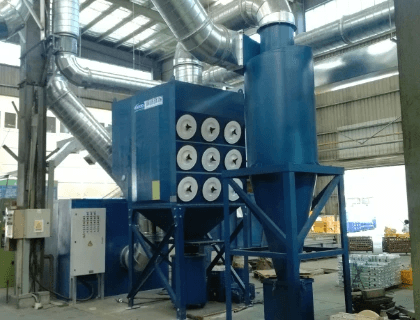
These systems utilize a series of filters and fans to capture airborne particles, ensuring a cleaner and safer work environment. Unlike their wet counterparts, dry dust collectors operate without the use of water, making them suitable for a wide range of applications.
How Dry Dust Collection Works
At the heart of a dry dust collection system is the dust collector itself, which employs various filtration methods to trap particles. Air laden with dust enters the collector, where it passes through filters that capture everything from fine metal shavings to larger debris. Once filtered, clean air is returned to the workspace or expelled outside, while collected dust is stored in bins or bags for easy disposal.
The efficiency of these systems hinges on their design and technology; many modern industrial dust collectors incorporate advanced filtration media that enhance dust filtration rates significantly. This means they can handle higher volumes of particulate matter without compromising performance. Additionally, some models feature automatic cleaning mechanisms that maintain optimal airflow and reduce maintenance downtime.
Benefits of a Dry Dust Collection System
One major advantage of using a dry dust collection system is its versatility across different industries—from woodworking shops to metal fabrication facilities. They can effectively manage various types of materials including wood chips, metal filings, and even hazardous substances like silica dust with appropriate filter selections. This adaptability makes them an essential component in maintaining compliance with health and safety regulations.
Another benefit lies in their lower operational costs compared to wet systems; since they don't require water or extensive plumbing setups, installation tends to be simpler and less expensive. Moreover, dry systems typically demand less maintenance over time because there’s no risk of corrosion from moisture exposure—an essential consideration when investing in an industrial dust collector.
Lastly, dry dust collectors contribute significantly to workplace safety by minimizing airborne pollutants that can lead to respiratory issues among employees. By capturing harmful particles before they disperse into the air, these systems help create a healthier work environment while also reducing risks associated with fire or explosion due to combustible materials.
Common Applications for Dry Systems
Dry dust collection systems find their place in numerous industries due to their effectiveness at managing particulate matter efficiently. In woodworking environments, for example, they are indispensable for capturing wood chips and sawdust generated during cutting processes—ensuring cleaner floors and safer air quality for workers. Similarly, metalworking shops rely on specialized metal dust collectors that target fine metallic particles generated during machining operations.
Beyond manufacturing settings, these systems are also utilized in food processing plants where flour or other powdered ingredients can create hazardous conditions if allowed to accumulate in the air or on surfaces. The adaptability of dry collectors allows businesses across sectors not only to comply with regulations but also enhance productivity by maintaining cleaner workspaces free from distracting debris.
In summary, whether you’re dealing with wood shavings or fine metal particulates, investing in an efficient dry dust collection system is crucial for any industry looking to prioritize safety and operational efficiency.
Dive into Wet Dust Extraction
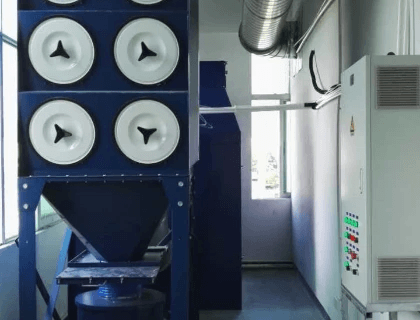
Mechanics of Wet Dust Extraction
The core principle behind a wet dust collection system lies in its use of water or other liquids to trap dust particles. As contaminated air is drawn into the collector, it passes through a series of chambers where water sprays or mists capture the dust before it can escape back into the atmosphere. This method not only filters out metal and other hazardous particles effectively but also reduces the risk of fire or explosion associated with dry systems, particularly when dealing with combustible materials.
Wet systems utilize various technologies such as cyclonic separators and scrubbers to enhance their filtration capabilities. The combination of centrifugal force and liquid medium helps in maximizing dust filtration efficiency while minimizing maintenance needs. In essence, this advanced technology transforms what could be harmful airborne pollutants into manageable waste that can be easily disposed of or processed further.
Advantages of Wet Dust Extraction
One standout advantage of using a wet dust collection system is its ability to handle highly combustible materials without posing significant safety risks. By keeping dust dampened, these systems significantly reduce the chances of ignition and explosion, making them ideal for industries dealing with flammable substances like metals and wood products. Furthermore, this method often results in lower overall emissions compared to dry collectors since less particulate matter escapes into the environment.
Another benefit lies in their superior efficiency for certain types of pollutants; wet systems excel at capturing fine particulates that might evade traditional dry filters. This means businesses can achieve higher levels of compliance with environmental regulations while maintaining cleaner air quality within their facilities. Additionally, because wet collectors often require less frequent filter changes than conventional models, companies can save on long-term operational costs associated with maintenance and replacement parts.
Lastly, many industrial applications find that using a wet collector leads to better overall air quality for workers on-site. With reduced airborne contaminants comes enhanced health outcomes for employees who may otherwise be exposed to harmful substances during daily operations—an aspect that should never be underestimated in today’s health-conscious work environments.
Typical Uses for Wet Systems
Wet dust extraction systems are particularly popular in industries where hazardous materials are prevalent; think metalworking shops or woodworking facilities where fine sawdust is an everyday concern. In these settings, an industrial dust collector specifically designed for wet extraction can efficiently manage both metal shavings and wood particles alike without compromising safety standards or air quality regulations.
Additionally, they shine brightly in applications involving chemical processing or food production where hygiene is paramount; here, moisture helps prevent any potential buildup of harmful pathogens alongside capturing unwanted debris effectively. Industries such as pharmaceuticals also benefit greatly from employing a wet collector due to strict cleanliness requirements—ensuring both product quality and worker safety remain uncompromised.
In summary, whether it's managing metal debris in manufacturing plants or ensuring clean air standards are met in food processing facilities, the versatility and effectiveness make wet systems an invaluable asset across various sectors where dust management is critical.
Comparing Efficiency and Performance

Dust Filtration Effectiveness
The effectiveness of dust filtration is a crucial factor in determining the right dust collection system for your needs. Wet dust collection systems excel at capturing fine particles and preventing them from becoming airborne, making them ideal for industries dealing with hazardous materials or metal dust collectors. On the flip side, traditional dry systems can be highly efficient too but may struggle with very fine particulates unless equipped with advanced filters.
In terms of filtration technology, industrial dust collectors often utilize HEPA filters that can trap 99.97% of particles as small as 0.3 microns—perfect for ensuring clean air in your workspace. However, wet systems bring an added layer of safety by binding particles in liquid, which not only captures the dust but also minimizes any risk of explosion—a concern that dry systems must vigilantly address. Ultimately, choosing between a wet or dry system hinges on your specific application requirements and the types of contaminants you expect to encounter.
Energy Consumption and Cost Analysis
Energy consumption is another critical aspect when comparing a wet dust collection system to its dry counterparts. Generally speaking, wet systems tend to consume more energy due to their water usage and pumping requirements; however, they may save costs in other areas such as less frequent filter replacements or lower maintenance needs over time. In contrast, while a traditional collector dust system might have lower energy costs initially, ongoing expenses related to filter replacements can add up quickly.
Cost analysis also extends beyond just energy; consider installation costs alongside operational expenses when evaluating options like industrial dust collectors versus metal dust collectors designed for specific applications. It's essential to conduct a thorough cost-benefit analysis that factors in both short-term investments and long-term savings associated with each type of system. This way, businesses can make informed decisions that align with their budgetary constraints while ensuring optimal performance.
Maintenance Considerations
Maintenance is an often-overlooked aspect when evaluating different types of dust collection systems but plays a significant role in overall efficiency and longevity. Wet dust extraction systems typically require more routine checks due to water levels needing monitoring and potential issues like algae growth if not properly maintained—this translates into additional labor hours compared to some dry alternatives where maintenance might involve simply replacing filters periodically.
On the other hand, while maintaining a dry collector might seem straightforward at first glance—after all who doesn’t love easy filter changes?—the reality is that neglecting proper upkeep can lead to reduced efficiency over time due to clogged filters or malfunctioning components within the collector itself. Therefore, understanding the maintenance demands associated with both wet and dry options will help ensure you choose a solution that fits seamlessly within your operational capabilities.
Safety Concerns in Dust Management

When it comes to dust management, safety is paramount. Whether you're employing a wet dust collection system or a dry dust collection system, understanding the potential hazards associated with dust is crucial for any industrial operation. Ignoring these risks can lead to catastrophic events, making it essential to prioritize safety in your dust filtration strategy.
Fire and Explosion Risks
Dust can be deceptively innocent, but certain types of dust—especially metal and organic—can pose serious fire and explosion risks when suspended in the air or accumulated in equipment. A metal dust collector that isn't properly maintained can create a perfect storm for combustion if sparks occur during processing. Implementing an effective collector dust system not only reduces airborne particles but also minimizes the chances of a disastrous ignition event.
Moreover, wet systems can help mitigate these risks by dampening particles before they reach potentially hazardous levels. However, it's important to note that not all wet dust collection systems are created equal; their design must effectively manage water usage while still ensuring optimal filtration performance. Regular inspections and maintenance are vital for all types of industrial dust collectors to ensure they operate safely and efficiently.
Health Implications of Dust Exposure
Dust exposure isn't just a fire hazard; it poses significant health risks as well. Inhalation of fine particulate matter can lead to respiratory issues, chronic lung diseases, and even cancer over time—especially with toxic materials like silica or asbestos present in some industries. Investing in an efficient dust collection system is not merely about compliance; it's about safeguarding the health of your workforce.
Wet dust extraction methods might offer a more effective solution for capturing harmful particles compared to traditional dry systems. They often reduce airborne contaminants significantly by trapping them in liquid rather than allowing them to linger as fine particles in the air we breathe. Therefore, choosing the right type of collector dust technology can have lasting benefits for employee health and productivity.
Role of NAROO in Safety Compliance
Navigating safety regulations around dust management can be daunting, but companies like NAROO simplify this process by offering expert guidance on compliance standards related to both dry and wet systems. Their knowledge ensures you select an industrial dust collector that meets legal requirements while also providing top-notch performance for your specific needs. By partnering with experts like NAROO, you gain access not only to high-quality equipment but also valuable insights into maintaining safety protocols within your operations.
NAROO's commitment extends beyond just selling products; they actively support businesses in implementing effective strategies for managing both fire risks and health implications associated with various types of collector dust systems. With their assistance, you can achieve peace of mind knowing that you’re investing in safe practices while enhancing overall operational efficiency through reliable filtration solutions tailored specifically for your industry demands.
Choosing the Right System for Your Needs

When it comes to selecting a dust collection system, the choices can be overwhelming. Factors such as the type of dust generated, facility size, and specific industry requirements play a crucial role in determining the best fit. Whether you’re leaning towards a dry or wet dust collection system, understanding your unique needs is essential for optimal performance.
Factors to Consider When Selecting a System
First and foremost, assess the type of dust you’re dealing with; metal dust collectors are designed specifically for metal shavings, while other systems might be better suited for wood or plastic particles. Additionally, consider the volume of air that needs to be filtered; an industrial dust collector should have adequate capacity to handle your operational demands without compromising efficiency. Lastly, think about maintenance requirements—some systems require more upkeep than others, which can impact long-term costs.
Industry-Specific Recommendations
Different industries have varying standards and needs when it comes to dust management solutions. For instance, woodworking facilities often benefit from a dry dust collection system due to its efficiency in handling fine wood particles without moisture interference. On the other hand, metalworking environments may lean towards wet dust extraction methods; these systems excel at controlling combustible metal dust while minimizing fire risks.
Cost-Benefit Analysis of Each System
Conducting a cost-benefit analysis is vital when deciding between a wet or dry system. While initial investments in a wet dust collection system might be higher due to its advanced filtration capabilities and safety features, long-term savings from reduced health risks and lower fire hazards can justify the expense. Conversely, dry systems generally come with lower upfront costs but may incur higher maintenance fees over time if not properly managed—so weigh those factors carefully before making your choice.
Conclusion

In the realm of dust management, choosing the right system can significantly impact both operational efficiency and workplace safety. Understanding the differences between dry and wet dust collection systems is crucial for making informed decisions that align with your specific needs. Whether you opt for a robust industrial dust collector or a versatile wet dust collection system, prioritizing effective dust filtration is essential for maintaining a clean environment.
Key Takeaways on Dust Collection Systems
Dust collection systems play an integral role in various industries, ensuring that harmful particles are effectively captured and controlled. Dry systems excel in applications involving fine powders and non-flammable materials, while wet systems are ideal for managing metal dust and combustible particles. Remember that both types of collectors have unique benefits; the right choice ultimately depends on your specific operational requirements.
Making an Informed Decision
When considering a dust collector, it’s vital to assess factors such as the type of materials being processed, energy consumption, and maintenance requirements. A thorough cost-benefit analysis can help you weigh the advantages of a metal dust collector against those of a conventional dry system or an innovative wet dust collection system. By evaluating these elements carefully, you can confidently select a solution that enhances productivity while safeguarding employee health.
Partnering with Experts Like NAROO
Navigating the complexities of dust management can be daunting without expert guidance. Collaborating with industry leaders like NAROO ensures access to valuable insights on selecting the most effective collector dust solutions tailored to your business's needs. With their extensive experience in providing top-notch industrial dust collectors, NAROO stands ready to assist you in implementing efficient and compliant dust filtration strategies.